Sleep Better in Brisbane Heat: Temperature Tips
Brisbane's subtropical climate disrupts sleep. Learn how temperature, light and noise affect rest, plus practical strategies for cooler nights year-round.
Brisbane's subtropical climate disrupts sleep. Learn how temperature, light and noise affect rest, plus practical strategies for cooler nights year-round.
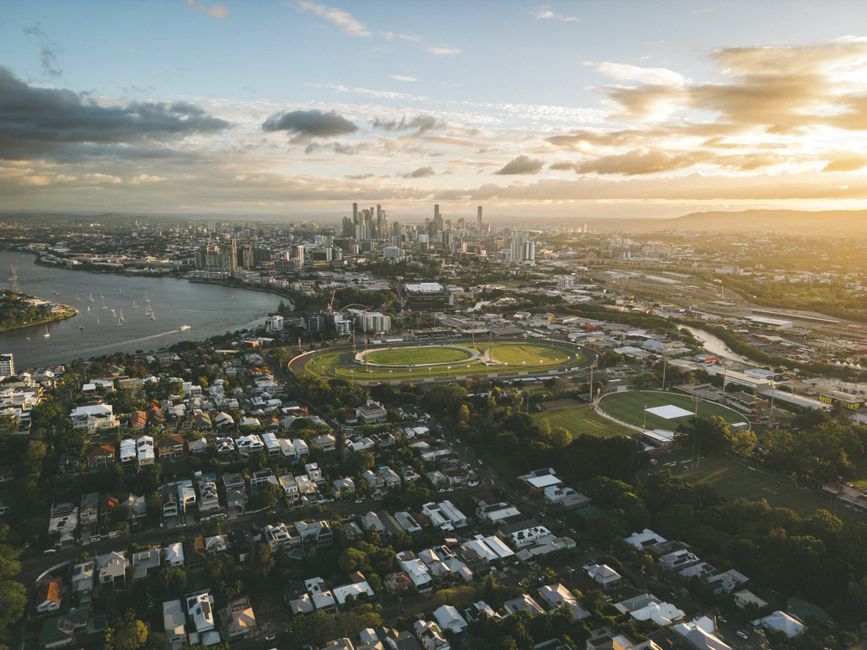
Brisbane's year-round warmth is enviable – until 2am when you're wrestling with sheets and a body temperature that won't drop. Sleep scientists agree: temperature, light and noise are three pillars of sleep quality, and our subtropical city presents unique challenges and opportunities for better rest.
Temperature is perhaps the most critical factor. Core body temperature naturally drops before sleep, triggering drowsiness. Brisbane's summer nights regularly exceed 20°C indoors, even with air conditioning – a problem when sleep experts recommend 16–18°C for optimal rest. The Australian Sleep Health Foundation notes that even a 2–3°C variance can disrupt sleep cycles. Residents across New Farm, South Brisbane and Fortitude Valley often report struggling through December to February, when ambient temperatures make cooling costly and uncomfortable.
Light exposure disrupts melatonin production. Brisbane's late sunsets – around 8.45pm in summer – mean evening light floods bedrooms longer than southern states. Street lighting along South Bank Parklands and Brunswick Street compounds this. Blackout curtains or eye masks aren't luxuries; they're practical tools. Blue light from phones suppresses melatonin for up to 90 minutes after exposure, a particular concern for those scrolling before bed.
Noise presents a different challenge. River barge traffic, early morning joggers around New Farm Park, and construction along the inner-city renewal zones create soundscapes that fragment sleep. Sleep medicine research shows noise disturbances of just 30 decibels can trigger micro-arousals – brief awakenings you won't consciously remember but which leave you feeling unrested. White noise machines (typically $30–$150) or earplugs offer relief, though some find them intrusive initially.
The interplay matters. A cool, dark, quiet room creates conditions where your body's natural sleep architecture – the cycles of light, deep and REM sleep – can proceed uninterrupted. Conversely, heat amplifies noise sensitivity; light exposure combines with warmth to delay sleep onset.
Practical Brisbane adjustments: Install thermal-blocking roller blinds (many suppliers along Queen Street stock affordable options), set air conditioning to 18°C an hour before bed, and consider earplugs or white noise if you're near arterial roads or parklands. Evening walks through Brisbane River parklands before sunset, rather than scrolling indoors, help regulate circadian rhythm naturally.
Sleep quality isn't frivolous – it underpins immune function, mental health and physical recovery. Brisbane's environment requires intentional optimisation, but small environmental tweaks often yield profound results. For persistent sleep concerns, consulting a local sleep medicine specialist remains worthwhile.
This article was compiled by AI and screened before publishing. See our editorial standards.
Sponsored
Lorem ipsum dolor sit amet, consectetur adipiscing elit. Reach engaged Brisbane readers with sponsored placements that look and feel like the rest of the paper.
Become a partner →Daily Network
About this article
Published by The Daily Brisbane
Daily brief
Free, in your inbox before 7am. Weekdays.
More from The Daily Brisbane