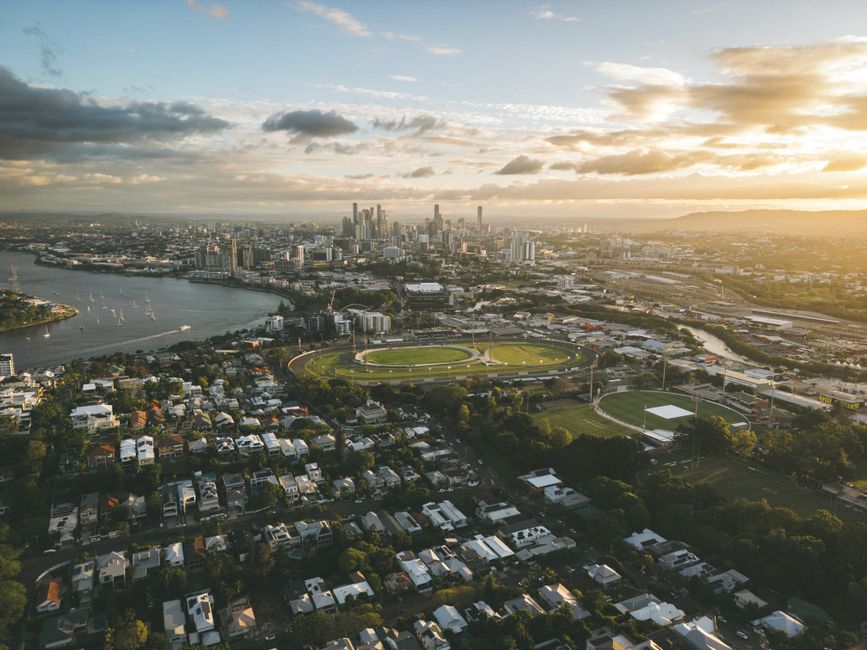
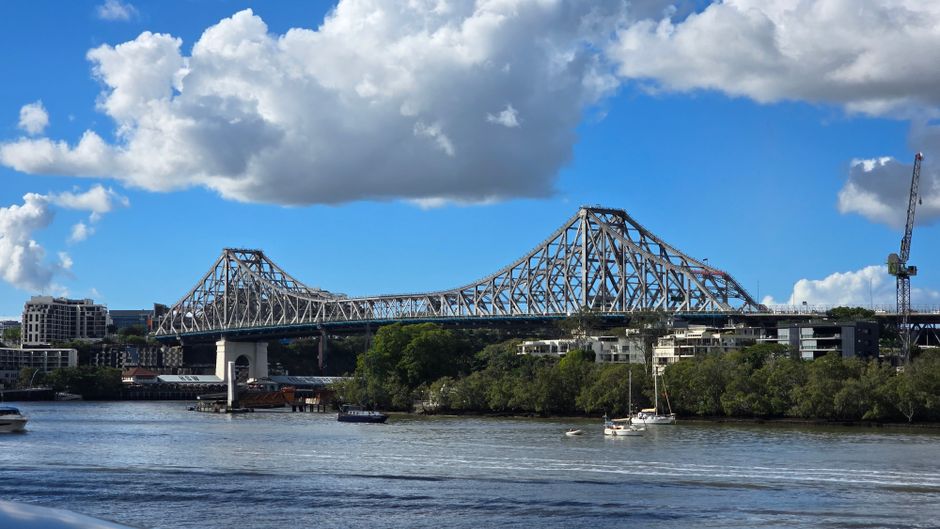
It's 2 p.m. on a Brisbane summer afternoon. The mercury is nudging 30 degrees. You're sitting at your desk in the CBD or scrolling on a park bench near South Bank, and your eyelids feel impossibly heavy. The urge to nap is almost irresistible—and according to sleep researchers, sometimes surrendering to it is exactly what you should do.
But not always. The science of napping is surprisingly nuanced, and getting it wrong can torpedo your ability to sleep deeply at night.
"A short nap—20 to 30 minutes—can genuinely boost alertness and cognitive performance," explains sleep physiology. For Brisbane residents battling the demands of our hot climate and outdoor-focused lifestyle, a brief afternoon rest can restore focus for evening activities, whether that's a gym session at South Bank or a walk through New Farm Park. The trick is timing: nap between 1 p.m. and 3 p.m., before your circadian rhythm begins signalling bedtime.
The danger lies in longer naps. Drift into sleep for 60 to 90 minutes, and you're likely to enter deep sleep stages. Waking abruptly can leave you groggy for hours—a state called sleep inertia. Worse, late-afternoon naps can accumulate "sleep debt" that interferes with nighttime sleep architecture, leaving you tossing and turning after 10 p.m.
For Brisbane's growing wellness community, the nap question intersects with real lifestyle patterns. Professionals commuting along the Riverside Expressway during peak heat, shift workers, and those managing irregular schedules face particular challenges. A strategic 20-minute nap might enhance evening performance; a 90-minute siesta at 4 p.m. could mean lying awake at midnight.
Individual factors matter enormously. Age, chronotype (whether you're naturally a morning or evening person), sleep debt from previous nights, and caffeine timing all play roles. Someone who slept poorly the night before may genuinely need restorative rest; someone already getting solid nights might find napping counterproductive.
The Brisbane heat also complicates the picture. Afternoon naps in air-conditioned spaces (offices, shopping centres, libraries) feel natural—but the abrupt temperature shift when you leave can disrupt your body's thermal regulation, affecting subsequent sleep quality.
For optimal sleep health, consider your individual pattern: track how naps affect your nighttime sleep over two weeks. If you're consistently sleeping poorly after napping, eliminate them. If a brief 20-minute rest genuinely improves your day without compromising your night, embrace it as part of your wellness routine.
The best nap is one tailored to your own biology—not an arbitrary habit.
This article was compiled by AI and screened before publishing. See our editorial standards.