Brisbane's winter sun is still dehydrating you — here's how much water you actually need
Cooler temperatures trick Queenslanders into drinking far less than their bodies demand, and the consequences show up fast.
Cooler temperatures trick Queenslanders into drinking far less than their bodies demand, and the consequences show up fast.
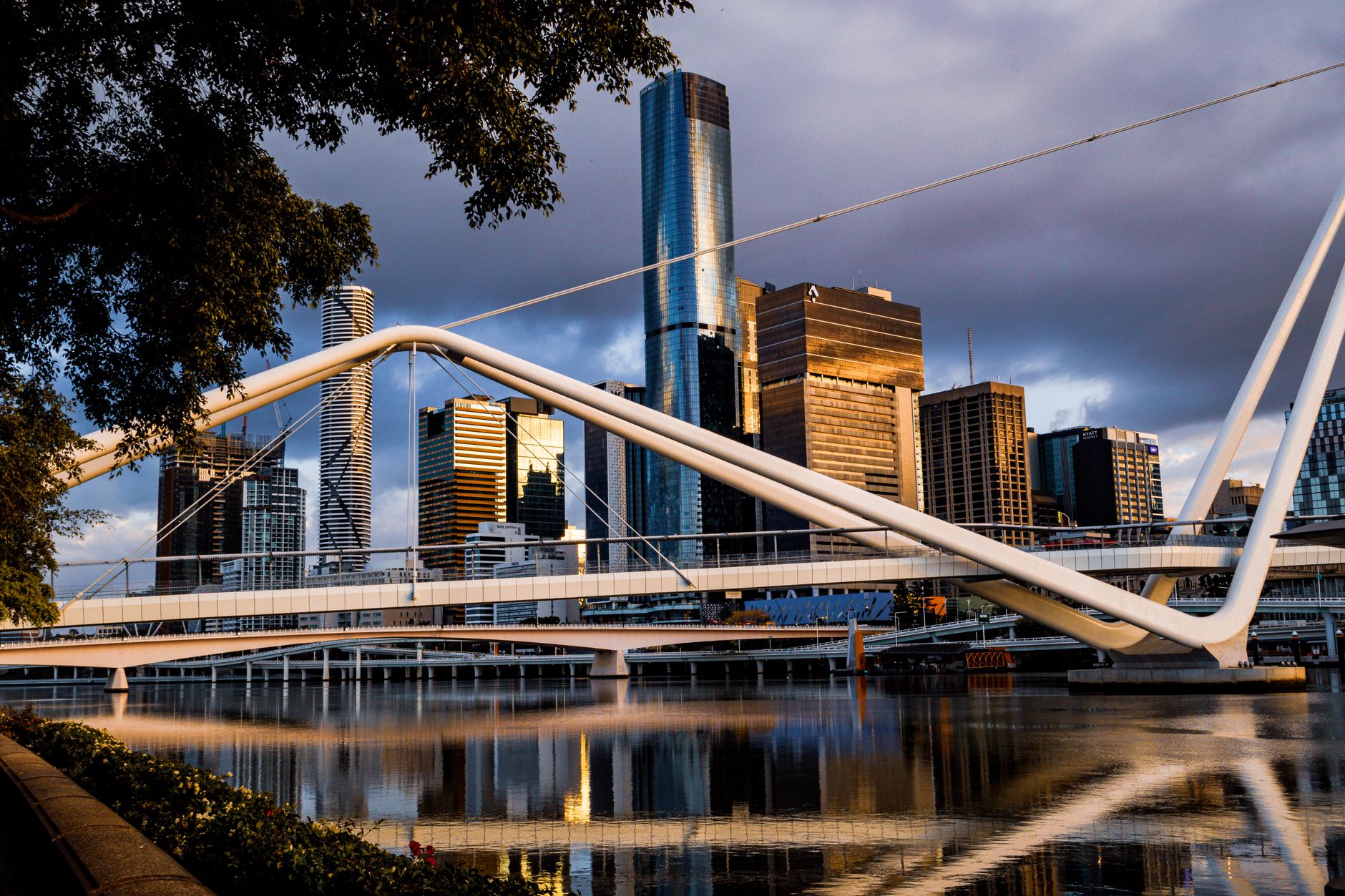
Brisbane's July mornings feel merciful — 12 degrees at dawn, a dry westerly off the ranges — but the city's humidity and UV index remain brutal enough by early afternoon to strip fluid from the body faster than most residents realise. Dietitians and exercise physiologists working across the inner suburbs have been flagging the same pattern every winter: people stop carrying water bottles the moment they stop sweating visibly, which is exactly when the trouble starts.
The timing matters because Queenslanders are spending more time outdoors, not less. The South Bank Parklands recorded more than 11 million visits in the 2024–25 financial year, according to the South Bank Corporation, and weekend foot traffic along the Brisbane River from New Farm Park to the Goodwill Bridge is up as residents capitalise on the dry season. More movement in a climate that demands more fluid — without the obvious cue of a soaking shirt — is a combination worth paying attention to.
The Australian Dietary Guidelines recommend 2.1 litres of total fluid daily for adult women and 2.6 litres for adult men — and those figures assume a temperate baseline, not subtropical Queensland. The Queensland Health chronic disease prevention unit has noted for several years that these targets can climb by 500ml to one litre on days above 28 degrees, which Brisbane hits regularly even in July. Last week, the Bureau of Meteorology recorded an afternoon maximum of 24 degrees at Archerfield Airport, but direct sun on exposed concrete in South Brisbane pushes apparent temperatures well above that.
Dehydration at even one percent of body weight — about 700ml for a 70-kilogram adult — measurably impairs concentration and mood. At two percent, aerobic capacity drops. Neither threshold requires a heatwave to reach. A 90-minute walk from Teneriffe Ferry Terminal along the river to Howard Smith Wharves and back covers roughly seven kilometres and, in July sunshine, will cost most adults close to a litre of fluid they may not replace if they left the house with an empty bottle.
The electrolyte conversation is also shifting. Sports drinks still dominate the fridges at the 7-Eleven on Stanley Street, East Brisbane, but dietitians increasingly point clients toward lower-cost alternatives — coconut water, homemade electrolyte mixes with a pinch of sea salt and a squeeze of lemon, or simply eating a banana alongside a large glass of water. A 600ml branded electrolyte drink retails for around $4.50 to $5.20 in South Bank convenience stores; a litre of coconut water from the Woolworths on Grey Street runs roughly $3.80 and delivers similar sodium and potassium without the added sugar load.
The Brisbane City Council's active travel network offers water fountains at regular intervals along the Bicentennial Bikeway, which runs 10 kilometres from the CBD out to Toowong. The fountains are filtered and free. New Farm Park has two refill stations near the rose garden and a third beside the playground on Brunswick Street — small infrastructure details that matter enormously on a crisp July Saturday when half of Newstead and Fortitude Valley decides to walk the river.
Caffeine and alcohol accelerate fluid loss, a fact that gets glossed over given Brisbane's café density. The Fortitude Valley precinct alone has more than 40 licensed cafés and bars operating on weekend afternoons. Three flat whites before noon is a normal Saturday for many inner-city residents, and each cup acts as a mild diuretic. Matching every coffee with a glass of water is advice so old it sounds like cliché, but it remains accurate.
Start the day with 500ml before leaving home, carry a one-litre reusable bottle — BPA-free options are available from the Sustainable Goods Co. in West End from around $18 — and check urine colour. Pale straw is adequate. Dark yellow means you are already behind. Brisbane's winter is not the rest of winter; adjust accordingly. Anyone with kidney conditions, heart disease or concerns about their individual fluid needs should speak with their GP or an Accredited Practising Dietitian before making significant changes.
Advertise
Reach thousands of Brisbane readers daily. Contact us at hello@dailybrisbane.com.au to advertise.
Get in touch →Daily Network
About this article
Published by The Daily Brisbane
Daily brief
Free, in your inbox before 7am. Weekdays.
More from The Daily Brisbane