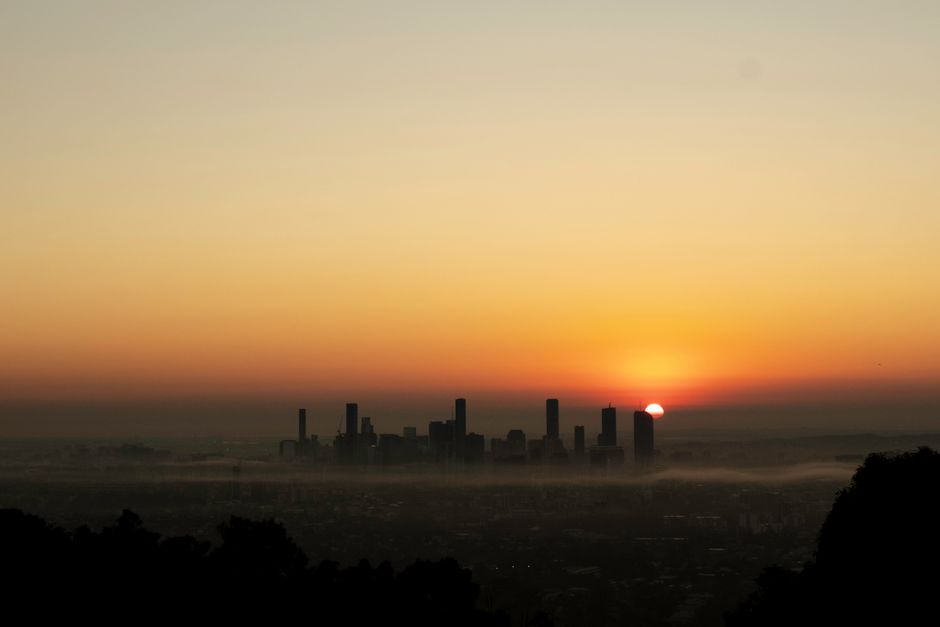
Brisbane winters are a lie. While the rest of Australia bundles up, residents along the river jog through New Farm Park in shorts, sweat through Saturday morning yoga at South Bank Parklands, and wonder why they feel foggy and flat by mid-afternoon. The answer, more often than not, is dehydration — quiet, cumulative, and chronically underestimated in a city where mild temperatures mask a significant fluid loss problem.
July might feel comfortable at 22 degrees Celsius, but Brisbane's average humidity sits around 60 to 65 percent even in the cooler months, and that combination of warmth and moisture means the body is working harder than people realise. Add a brisk walk along Coronation Drive, a Sunday cycling session on the Veloway through the inner south, or even an hour of errands in direct sun, and fluid deficits stack up fast. The Bureau of Meteorology recorded Brisbane's average daily maximum in June 2026 at 21.4°C — hardly cold, and certainly not the sort of weather that prompts most people to reach deliberately for a water bottle.
What the research actually says about daily intake
The old "eight glasses a day" figure has been outdated for years. The National Health and Medical Research Council's Australian Dietary Guidelines, last comprehensively updated with hydration targets in 2013, recommend 2.6 litres of total fluid daily for adult men and 2.1 litres for adult women — and those figures assume temperate conditions, not subtropical Brisbane. Exercise, humidity, and heat push those numbers higher, though the precise top-end requirement varies significantly by individual. Dietitians Australia, which operates nationally and has member practitioners across Greater Brisbane, consistently notes that active adults in Queensland's climate should treat those benchmarks as a floor, not a ceiling.
The practical gauge most dietitians recommend is urine colour: pale straw is the target; anything darker than a light yellow signals the body is already playing catch-up. That simple test costs nothing and works regardless of body weight, activity level, or age.
One figure worth sitting with: a 2022 review published in the journal Nutrients found that even mild dehydration — as little as 1 to 2 percent of body weight in fluid loss — impaired cognitive performance and mood in adults, with effects measurable within 30 to 40 minutes of onset. For a 75-kilogram person, that threshold is triggered by losing just 750 millilitres. That's less than two standard water bottles.
What to actually drink — and what to skip
Plain tap water remains the gold standard, and Brisbane's tap water drawn from Wivenhoe Dam meets strict Queensland Health guidelines for safety and mineral content. It's also free, which matters when some CBD cafés are now charging $5.50 for a 600ml sparkling water. Herbal teas, milk, and water-dense foods — cucumbers, watermelon, celery — all count toward daily fluid intake in meaningful ways.
Sports drinks are a more contested territory. Products like Hydralyte and Powerade contain electrolytes that help the body absorb and retain fluid, and have a legitimate role for sustained exercise exceeding 60 to 90 minutes in warm conditions. But for the majority of Brisbanites grabbing a bottle after a 40-minute walk through Fortitude Valley, the sugar load outweighs the benefit. Coconut water sits in a similar middle ground: lower in sugar than most sports drinks, with a useful potassium hit, but not a substitute for water across the day.
Caffeine carries more nuance than its dehydrating reputation suggests. A study from the University of Birmingham found that moderate coffee consumption — three to four cups daily — produced no net dehydrating effect in habitual drinkers. That said, knocking back four long blacks to hit a deadline and calling it hydration is not the move. Alcohol is unambiguously dehydrating, and Brisbane's Friday-evening culture of riverside bars from Eagle Street Pier to West End's Boundary Street deserves a standing reminder: one glass of water per drink is not an old wives' tale.
The simplest system for anyone who struggles to drink enough: keep a 1-litre reusable bottle visible on the desk or bench, refill it twice before dinner, and use the colour test before bed. Brisbane's subtropical baseline makes what feels like adequate drinking frequently inadequate. Start before you're thirsty — thirst itself is a late signal. And if fatigue or persistent headaches are a pattern, speak with your GP or an accredited practising dietitian before assuming lifestyle changes are enough.