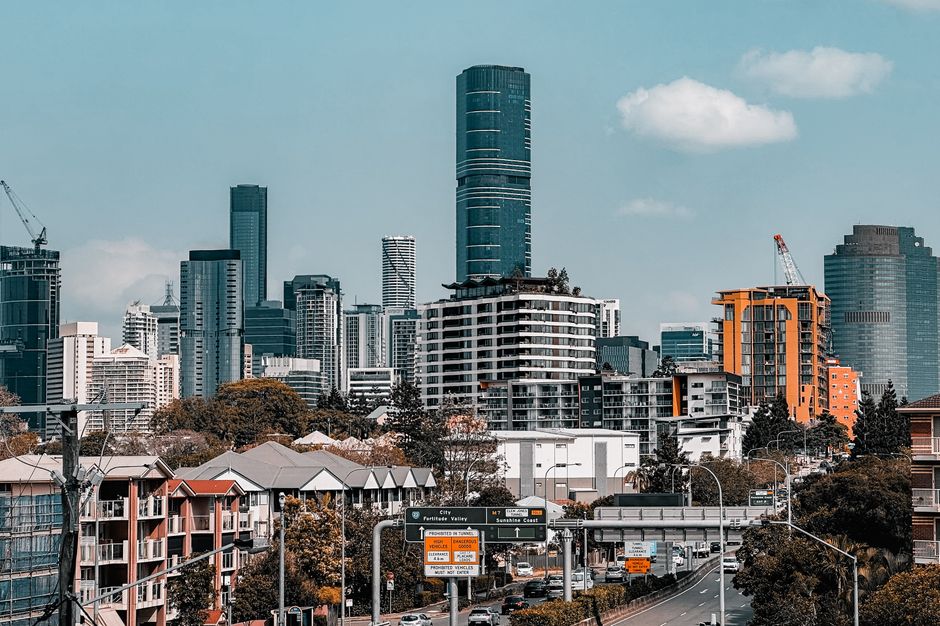
Best Suburbs in Brisbane 2026: Expert Market Analysis
Discover the best suburbs in Brisbane with median prices, rental yields, and investment insights. Expert analysis of hotspot neighbourhoods for 2026.
Discover the best suburbs in Brisbane with median prices, rental yields, and investment insights. Expert analysis of hotspot neighbourhoods for 2026.

Brisbane's property market has demonstrated remarkable resilience through 2025 and into 2026, with the best suburbs in Brisbane continuing to attract both owner-occupiers and investors. The Queensland capital has experienced sustained growth driven by interstate migration, infrastructure investment, and a competitive advantage over southern capitals.
The median house price across Brisbane currently sits at $815,000 (June 2026), representing a 7.3% year-on-year increase from mid-2025. This outpaces inflation and demonstrates sustained buyer confidence. Unit prices have reached $545,000 median, up 5.8% annually, offering strong entry-level opportunities.
Key market drivers include:
Inner West Corridor
Toowong leads the premium market with median house prices of $1,420,000, up 8.9% YoY. The suburb offers proximity to UQ, established gardens, and strong rental demand from postgraduate students. Average rental yield sits at 3.2%.
St Lucia maintains $1,185,000 median prices with 7.1% annual growth. University precinct proximity and family-friendly amenities drive consistent buyer interest. Rental yields average 3.4%.
Inner South Growth Belt
South Brisbane has emerged as a hotspot with median prices of $895,000, recording 11.2% YoY growth—the strongest in the region. Proximity to cultural institutions, riverfront redevelopment, and South Bank facilities attract young professionals. Rental yields: 3.8%.
Woolloongabba offers exceptional value at $785,000 median, up 9.4% annually. The precinct transformation continues with restaurant, bar, and retail developments. Yields reach 4.1%, making it highly attractive for investors.
Northern Growth Suburbs
Aspley represents the northern hotspot with median prices of $625,000, up 6.8% YoY. Excellent schools, shopping precincts, and family orientation drive strong owner-occupier demand. Rental yields: 4.3%.
Chermside records $715,000 median prices with 7.2% annual growth. Major shopping and employment hub status ensures sustained rental demand. Average yields: 3.9%.
Eastern Suburbs Prestige
Bulimba maintains prestige status at $1,950,000 median, growing 6.4% YoY. Riverfront positioning, boutique retail, and established character attract high-net-worth buyers. Rental yields: 2.8%.
Kangaroo Point offers $1,285,000 median with 8.3% annual growth. Story Bridge proximity and riverside living appeal to downsizers and professionals. Yields: 3.1%.
The best suburbs in Brisbane for investment present differentiated opportunities:
Growth Play (2026-2030): South Brisbane, Woolloongabba, and Fortitude Valley offer capital appreciation potential. These inner-south precincts benefit from ongoing urban renewal, limited available land, and strong amenity development. Expected growth: 6-9% annually.
Yield Focus: Aspley, Chermside, and Eight Mile Plains deliver immediate rental income. Northern and western suburbs attract families and young workers seeking affordability. Sustainable yields of 4.0-4.5% support cashflow investment strategies.
Stability Play: Established suburbs like Toowong and St Lucia offer lower volatility with 2.8-3.4% yields, appealing to conservative investors prioritising security over growth.
2026 Outlook Drivers:
First Home Buyers: Consider Aspley, Auchenflower ($755,000), or Paddington ($895,000). These suburbs offer good value, strong amenities, and first-home buyer grant eligibility in many cases.
Owner-Occupiers: South Brisbane and Woolloongabba balance lifestyle appeal with reasonable entry prices. Proximity to work, restaurants, and culture justifies slightly premium valuations.
Investors: Analyse rental demand carefully—northern suburbs show stronger tenant competition, while inner suburbs attract premium rents but face higher acquisition costs.
Due Diligence: Review local council development plans, transport infrastructure timelines, and unemployment trends. Brisbane's growth suburbs often benefit from announced (but not-yet-completed) amenities.
Market Timing: Mid-2026 presents reasonable entry points, with auctions averaging 2.1 bidders per property (balanced market). Winter months typically show fewer listings.
For comprehensive market updates, suburb reports, and investment guidance tailored to your circumstances, explore The Daily Brisbane property section for expert analysis and real-time market insights.
This article was compiled by AI from the sources linked above and screened before publishing. See our editorial standards.
Daily Network
About this article
Published by The Daily Brisbane
Daily brief
Free, in your inbox before 7am. Weekdays.
More from The Daily Brisbane