Brisbane sleep clinics: Get tested, understand your nights
Thousands of Queenslanders discover why they're not sleeping soundly at specialist facilities across Brisbane's suburbs.
Thousands of Queenslanders discover why they're not sleeping soundly at specialist facilities across Brisbane's suburbs.
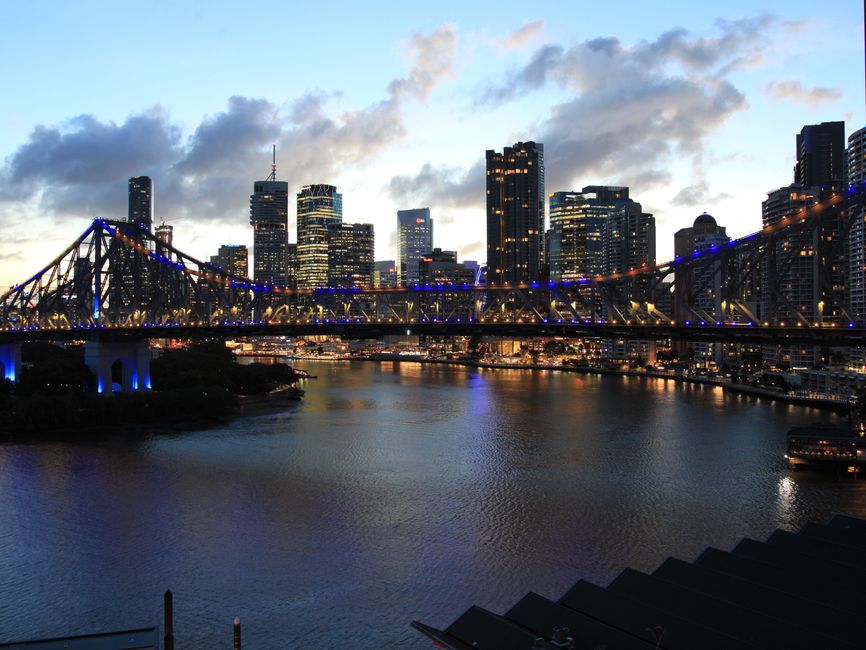
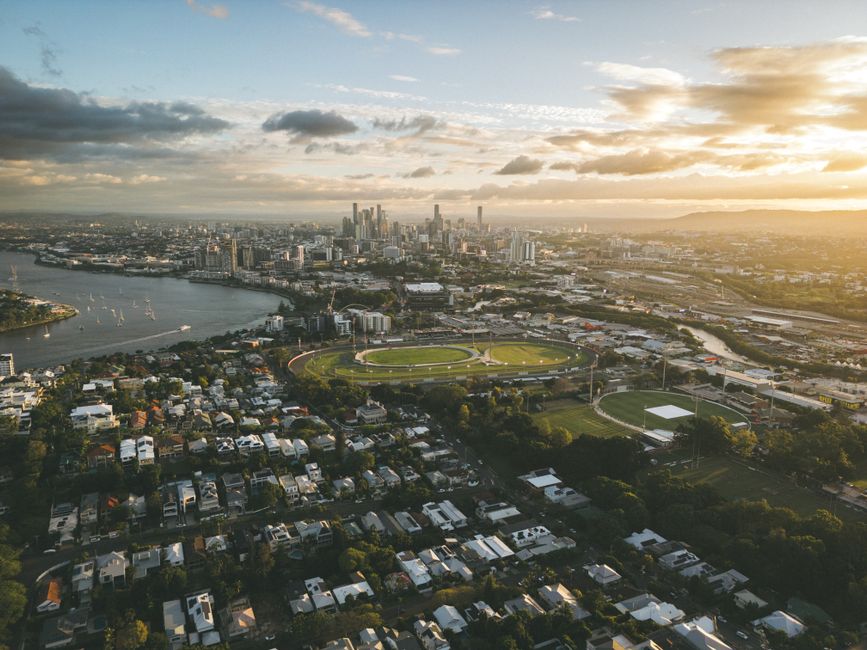
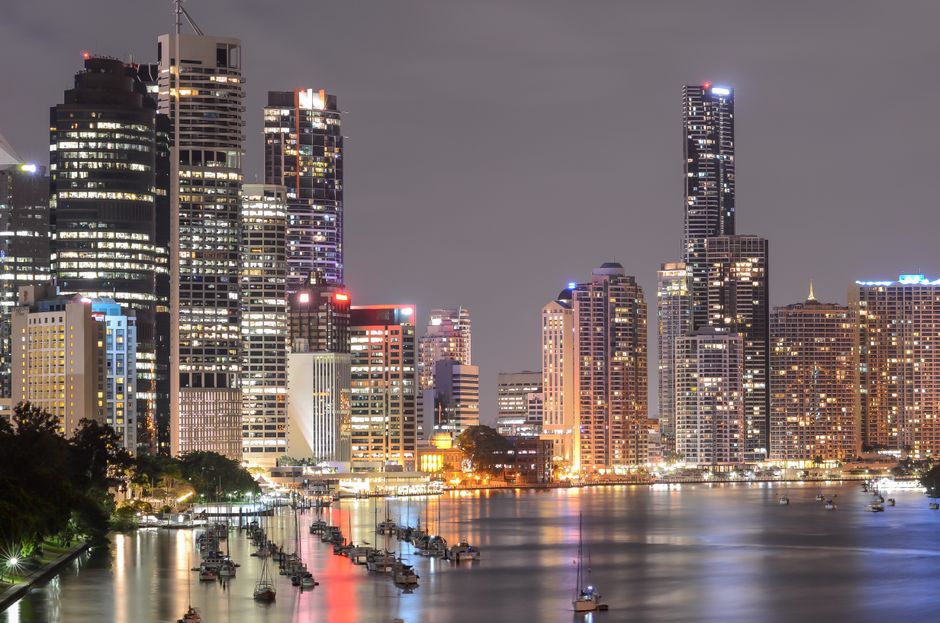
Brisbane's subtropical climate—warm nights, humidity, and the temptation to stay outdoors well into the evening—can wreak havoc on sleep patterns. Yet many residents battling insomnia, snoring, or daytime fatigue don't realise that sleep disorders are treatable, and expert help is closer than they think.
Sleep medicine has evolved dramatically. Rather than accepting poor sleep as inevitable, Queenslanders increasingly turn to dedicated sleep clinics scattered across greater Brisbane for diagnostic clarity and tailored treatment plans.
The Royal Brisbane and Women's Hospital, located on Herston Road, operates one of the state's largest sleep medicine units. Their polysomnography lab conducts overnight sleep studies—the gold standard for diagnosing sleep apnoea, restless leg syndrome, and narcolepsy. A typical study involves sensors monitoring brain waves, heart rate, oxygen levels, and limb movement while you sleep in a private room. Results typically arrive within two weeks.
Private clinics have also expanded across the city. Facilities in South Brisbane, Fortitude Valley, and the northside suburbs now offer in-home sleep apnoea screening—a game-changer for those anxious about overnight hospital stays. Portable monitors record breathing patterns and oxygen saturation from your own bed, often at a fraction of the traditional cost.
Cost remains a consideration. While Medicare rebates cover sleep studies for eligible patients with a GP referral, out-of-pocket expenses vary. Some private clinics charge $800–$1,500 for comprehensive testing, though many offer payment plans. Public hospital waitlists typically extend six to twelve weeks, depending on urgency.
Beyond the clinic walls, Brisbane's wellness culture supports sleep health naturally. The mild year-round climate means outdoor exercise—walking along the Brisbane River parklands or cycling through New Farm Park—aids circadian rhythm regulation. Experts consistently recommend morning sunlight exposure and afternoon swims at local pools to reinforce healthy sleep-wake cycles.
The diagnostic journey begins with your GP. They'll assess symptoms, rule out obvious causes, and refer you to an appropriate sleep service. Whether you're referred to a public hospital or private clinic depends on your preference, insurance, and urgency.
Sleep quality profoundly shapes daily wellness—from mental clarity to physical recovery. For Brisbaneites struggling through foggy mornings or battling nocturnal disruptions, local sleep clinics offer evidence-based answers. A simple conversation with your doctor could be the first step toward genuinely restorative nights.
For personalised sleep health advice, consult your GP or contact your nearest Brisbane sleep medicine facility.
This article was compiled by AI and screened before publishing. See our editorial standards.
Sponsored
Lorem ipsum dolor sit amet, consectetur adipiscing elit. Reach engaged Brisbane readers with sponsored placements that look and feel like the rest of the paper.
Become a partner →Daily Network
About this article
Published by The Daily Brisbane
Daily brief
Free, in your inbox before 7am. Weekdays.
More from The Daily Brisbane