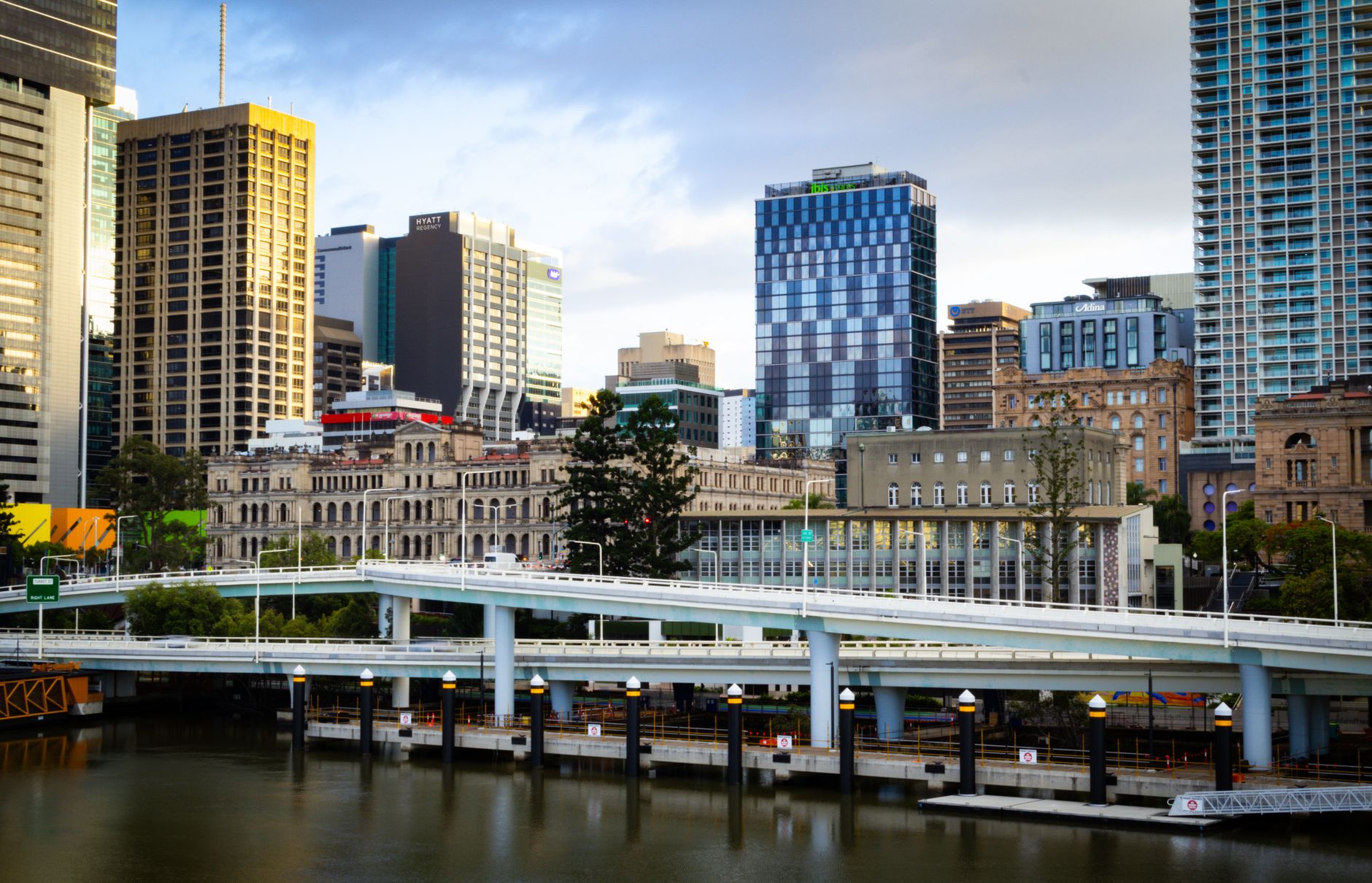
First-Time Visitors: The Essential Brisbane Heritage Trail That Reveals the City's Soul
From colonial landmarks to Indigenous storytelling spaces, here's what every traveller needs to know about Brisbane's layered cultural identity.
From colonial landmarks to Indigenous storytelling spaces, here's what every traveller needs to know about Brisbane's layered cultural identity.
Brisbane's identity isn't written in one chapter—it's layered across centuries of Indigenous custodianship, colonial architecture, and contemporary reinvention. First-time visitors who venture beyond South Bank will discover a city where heritage isn't cordoned off in museums, but woven into the fabric of neighbourhoods and public spaces.
Start in the CBD's historic core. Parliament House, completed in 1868 and perched on the corner of George and Alice Streets, remains one of Australia's finest examples of Victorian Italianate architecture. The free guided tours (bookable via parliament.qld.gov.au) reveal the craftsmanship that defined Brisbane's aspirations as a colonial capital. Nearby, the Story Bridge—opened in 1940—still dominates the city's silhouette; the BridgeClimb experience costs around $90 and rewards climbers with vistas that frame the city's geographic relationship to the Brisbane River.
But understanding Brisbane's true cultural identity requires engaging with its Yuggera and Turrbal heritage. The City Botanic Gardens, free and accessible daily, sit on what was once a significant gathering place for the region's First Nations peoples. The Kaleidoscope Festival, held annually at various South Bank venues, celebrates contemporary Indigenous artists and performers from across Queensland. Visit during the festival season or book experiences through the Queensland Museum's dedicated Indigenous programs.
Fortitude Valley's transformation exemplifies Brisbane's adaptive approach to heritage. The neighbourhood, established in the 1840s, was named after the British ship that transported convicts. Today, it balances heritage-listed Victorian and Federation-era buildings with street art, boutique galleries, and independent venues. The Judith Wright Arts Centre on James Street frequently programs works exploring identity and place.
Don't overlook New Farm, where leafy streets lined with Queenslander architecture—the distinctive elevated wooden homes designed for subtropical living—reveal how colonists adapted to environment. The Frank Nichol Gallery, housed in a heritage property, shows contemporary work alongside locally significant pieces.
The Lone Pine Koala Sanctuary ($59 adult entry) offers more than animal encounters; it tells the story of Australian wildlife conservation and early 20th-century tourism that shaped Brisbane's international profile. Entry includes keeper talks that contextualise both ecological and cultural significance.
For deeper dives, the State Library of Queensland's free exhibitions often explore Brisbane history through diverse lenses. The River itself—the logistical backbone of settlement—remains central to understanding the city. A weekday walk along the Southbank precinct to the Stories of the River interpretive signage provides free context about how the waterway shaped Brisbane's past and present.
Heritage in Brisbane isn't preserved in amber. It's contested, reimagined, and continually interpreted by the communities that call it home.
This article was compiled by AI from the sources linked above and screened before publishing. See our editorial standards.
Daily Network
About this article
Published by The Daily Brisbane
Daily brief
Free, in your inbox before 7am. Weekdays.
More from The Daily Brisbane