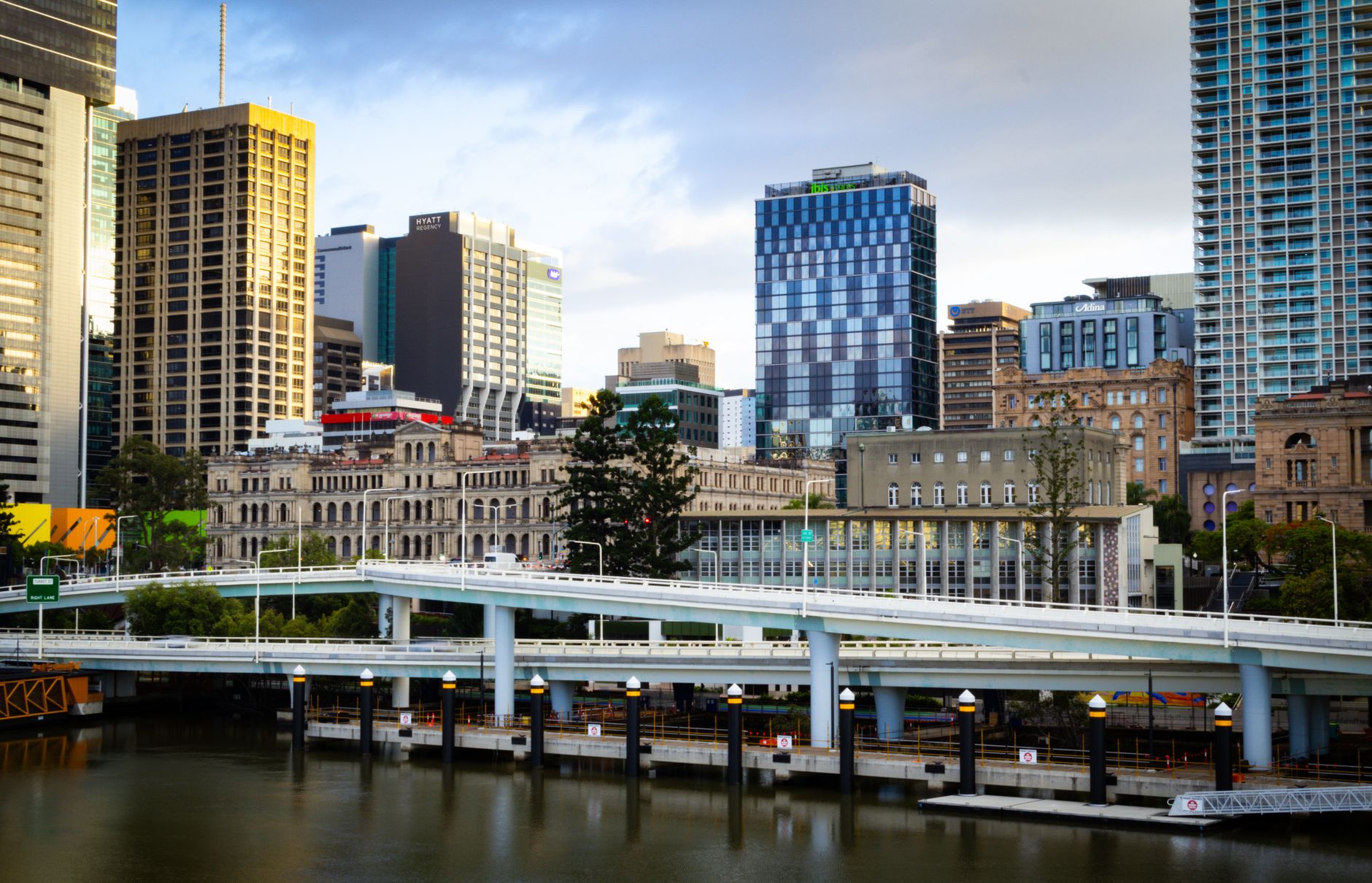
Brisbane's Next Wave: The Emerging Voices Reshaping Our Food Culture
From South Bank to Fortitude Valley, a new generation of chefs and restaurateurs is challenging tradition and defining what Brisbane dining looks like in 2026.
From South Bank to Fortitude Valley, a new generation of chefs and restaurateurs is challenging tradition and defining what Brisbane dining looks like in 2026.
Brisbane's food scene has always thrived on reinvention, but the wave of emerging talent currently making waves across the city's neighbourhoods suggests we're witnessing a genuine cultural shift. The next generation of chefs, many trained locally or returning home after stints in Melbourne and Sydney, are ditching the tried-and-tested playbook in favour of bold experimentation and deeply personal storytelling.
In Fortitude Valley, where restaurant rents have stabilised after years of volatility, younger operators are taking calculated risks that their predecessors couldn't afford. The neighbourhood's laneway culture—once dominated by established names—now hosts an emerging cohort working with tighter margins but fiercer creative intent. Meanwhile, South Bank's precinct continues to attract young talent willing to navigate its competitive landscape, with several new ventures launching this financial year targeting the $25–$45 per head dining bracket that's proven increasingly popular with Brisbane's growing professional demographic.
What's particularly striking is the emphasis on provenance and sustainability among this new wave. Unlike the Instagram-focused trends that dominated early 2020s Brisbane, these emerging voices are prioritising relationships with local producers across the Scenic Rim and the Lockyer Valley. Several have publicly committed to reducing food miles, with menus refreshing weekly based on seasonal availability rather than year-round consistency.
The diversity of backgrounds is equally significant. Brisbane's multicultural fabric—with substantial Vietnamese, Chinese, Indian and Eastern European communities—is now seeing second and third-generation voices translate family traditions into contemporary restaurant concepts. These aren't heritage restaurants in the traditional sense; they're reinterpretations that respect roots while pushing boundaries.
Bar culture, too, is experiencing a reckoning. The craft cocktail boom of the 2010s has evolved into something more refined and less formulaic. Emerging bartenders across Paddington and the CBD are focusing on low-proof drinking, native Australian ingredients, and simplified menus that prioritise technique over novelty.
Industry bodies like the Restaurant & Catering Association Queensland report increased interest from younger demographics in hospitality careers, suggesting the pipeline remains strong. What's changed is their motivation: less driven by celebrity chef culture, more by genuine passion for food systems and community building.
For diners, this represents an extraordinary moment. The next 18 months will likely see Brisbane establish itself as genuinely innovative, moving beyond its reputation as a competent follower of southern trends. The emerging voices reshaping our food culture aren't waiting for permission or trends to validate them. They're simply leading.
This article was compiled by AI from the sources linked above and screened before publishing. See our editorial standards.
Daily Network
About this article
Published by The Daily Brisbane
Daily brief
Free, in your inbox before 7am. Weekdays.
More from The Daily Brisbane