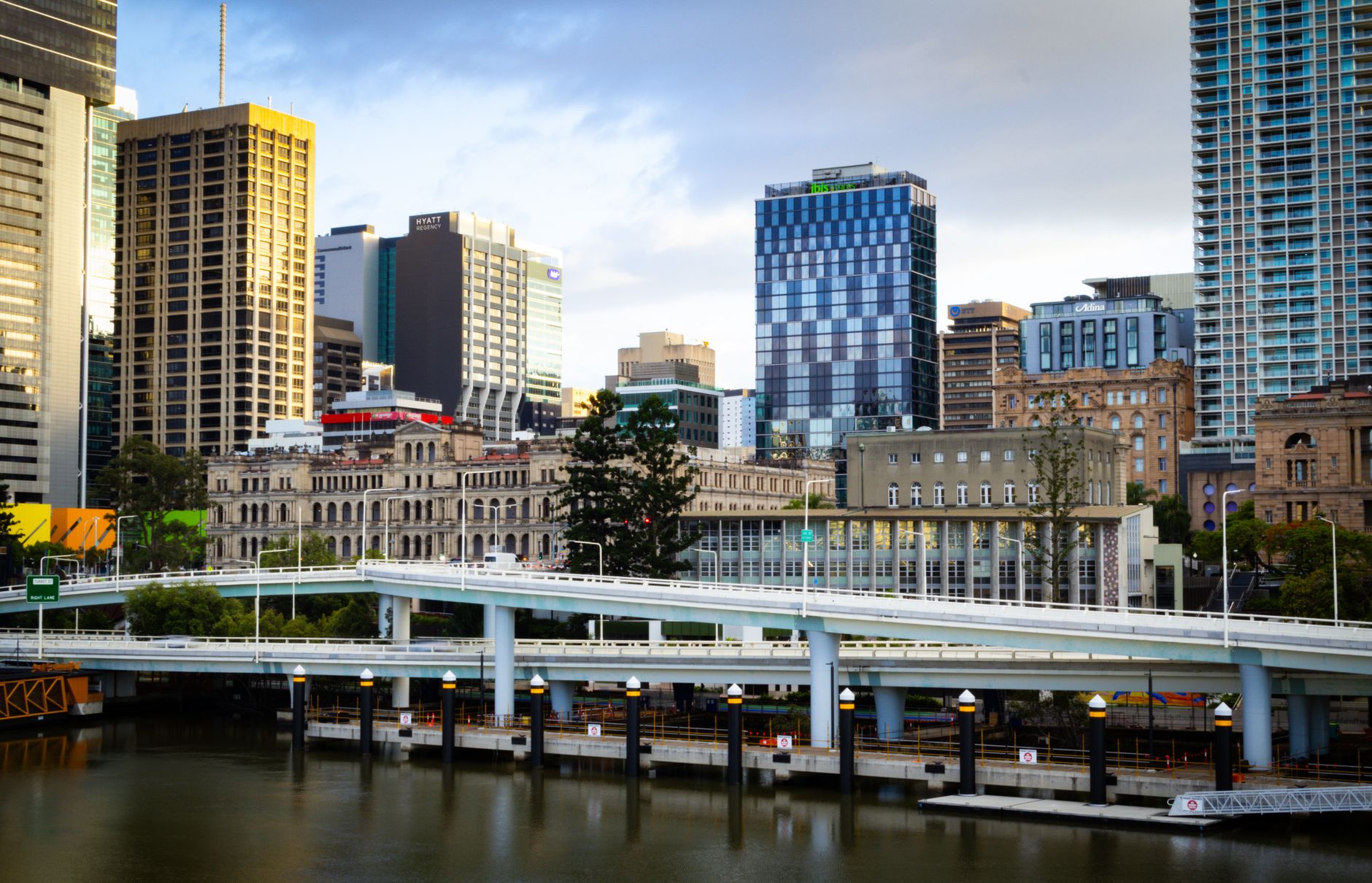
The Next Wave: Meet Brisbane's Emerging Voices Reshaping Our Cultural Identity
A new generation of artists, historians and storytellers are reclaiming Brisbane's narrative from the South Bank to Fortitude Valley.
A new generation of artists, historians and storytellers are reclaiming Brisbane's narrative from the South Bank to Fortitude Valley.
Walk into the restored heritage precinct around the Powerhouse in New Farm and you'll notice something shifting. The stories being told about Brisbane aren't coming from the usual institutional gatekeepers anymore. They're emerging from artist collectives in converted warehouses along Wickham Street, from independent curators running pop-up exhibitions in vacant shopfronts, and from digital-native creators who are fundamentally reframing how this city understands itself.
The change is unmistakable. Over the past 18 months, a cohort of artists under 35—many of them Brisbane-born—have begun interrogating the city's colonial heritage with fresh eyes. Rather than accepting sanitised versions of Brisbane's past, this emerging wave is documenting overlooked narratives: the Turrbal and Yuggera peoples' ongoing connection to the river precinct, the post-war migrant communities who shaped West End and Woolloongabba, the queer underground scenes that thrived in Suncorp Stadium's shadow during the 1980s.
Several are working through the city's major institutions. The Queensland Museum's recent acquisition of works by three local emerging artists—part of a $2.4 million annual collection budget—signals institutional recognition of this shift. But the real energy is grassroots. Brisbane Powerhouse's emerging artist residency program reports a 340% increase in local applications since 2023, while smaller spaces like the Samstag Museum at South Brisbane have become incubators for experimental approaches to local history.
What distinguishes this cohort is their refusal of nostalgia. They're not interested in prettifying Brisbane's past. Instead, they're using archival research, oral histories and multimedia installation to complicate easy narratives. Several are explicitly engaging with how development decisions—from the South Bank Precinct's construction to the ongoing gentrification of inner suburbs—have erased previous communities and stories.
The economic reality is precarious. Most emerging artists in Brisbane earn less than $35,000 annually from their creative practice, according to recent arts sector data. Council grants and philanthropic funding are competitive and diminishing. Yet these creators persist, often working second jobs while maintaining independent exhibition schedules across Fortitude Valley's laneway galleries and community spaces in Stones Corner.
Brisbane's cultural institutions have begun noticing. The State Library's new oral history initiative is actively commissioning emerging historians to document suburban stories. The City Council's arts strategy now explicitly prioritizes emerging talent representation, though funding commitments remain modest.
For anyone wanting to understand where Brisbane's cultural conversation is heading, pay attention to what's happening in these liminal spaces—the in-between venues and emerging voices that are quietly, persistently remaking the city's relationship with its own past.
This article was compiled by AI from the sources linked above and screened before publishing. See our editorial standards.
Daily Network
About this article
Published by The Daily Brisbane
Daily brief
Free, in your inbox before 7am. Weekdays.
More from The Daily Brisbane