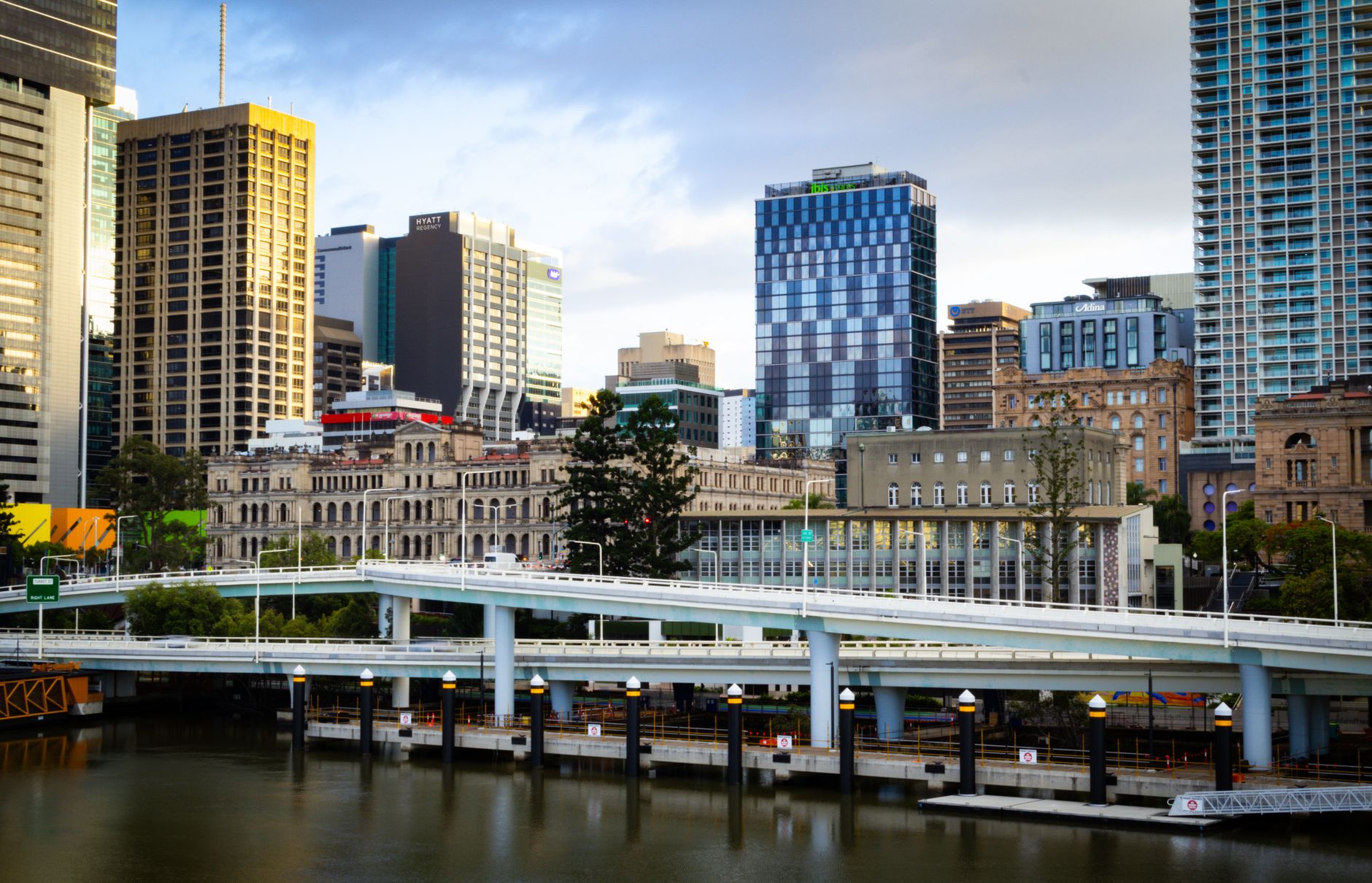
The Architects of Cool: How South Bank's Creative Visionaries Built Brisbane's Cultural Heart
Behind every gallery opening and street festival lies a network of artists, planners and activists who transformed a struggling riverside into Australia's most dynamic cultural precinct.
When the South Bank Parklands opened in 1988, few predicted it would become the beating heart of Brisbane's creative identity. Yet the vision that shaped those 17 hectares—from the Queensland Museum's sweeping architecture to the intimate performance spaces tucked beneath fig trees—emerged from the determined work of cultural pioneers who saw potential where others saw concrete and carparks.
The transformation began in the early 1980s, when Brisbane was still regarded as a provincial backwater by Australia's cultural establishment. A coalition of artists, architects and civic leaders began advocating for a reimagined South Bank, envisioning public spaces where ordinary Brisbaneites could encounter world-class theatre, visual art and live music. Their persistence paid off when the Queensland Government committed to developing the site following Expo 88, fundamentally reshaping the city's cultural trajectory.
Today, the precinct hosts over 12 million visitors annually, with venues like the Queensland Performing Arts Centre and Gallery of Modern Art operating at near-capacity most weeks. But the real story lies with the lesser-known architects of this scene: the independent curators, community programmers and grassroots organisers who've sustained the creative momentum for decades.
Consider the evolution of the Parklands' cultural programming. What began as formal museum exhibitions has expanded into a year-round calendar of festivals—the Brisbane Festival, Asia Pacific Film Festival, and countless grassroots events—many conceived and executed by volunteer committees and small arts organisations operating from modest offices in nearby West End and Fortitude Valley.
The creative infrastructure extends beyond South Bank's manicured lawns. Eagle Street's gallery precinct, the laneway murals of Fortitude Valley, and independent venues scattered across the inner city reflect decades of incremental cultural investment by artists who often worked without significant funding or institutional support.
What distinguishes Brisbane's cultural identity is precisely this: the visible handprints of the people who built it. Unlike sanitised cultural precincts in other cities, Brisbane's creative scene retains a rawness, a sense that it's still being actively constructed by passionate individuals rather than administered by distant bureaucracies.
As Brisbane positions itself as a global cultural destination ahead of the 2032 Olympics, understanding this history matters. The city's competitive advantage isn't its architecture or budget—it's the culture of creative risk-taking established by generations of visionaries who believed a subtropical city deserved a world-class artistic identity.
This article was compiled by AI from the sources linked above and screened before publishing. See our editorial standards.
Daily Network
From the Daily Network
Related reporting from other cities in our network.