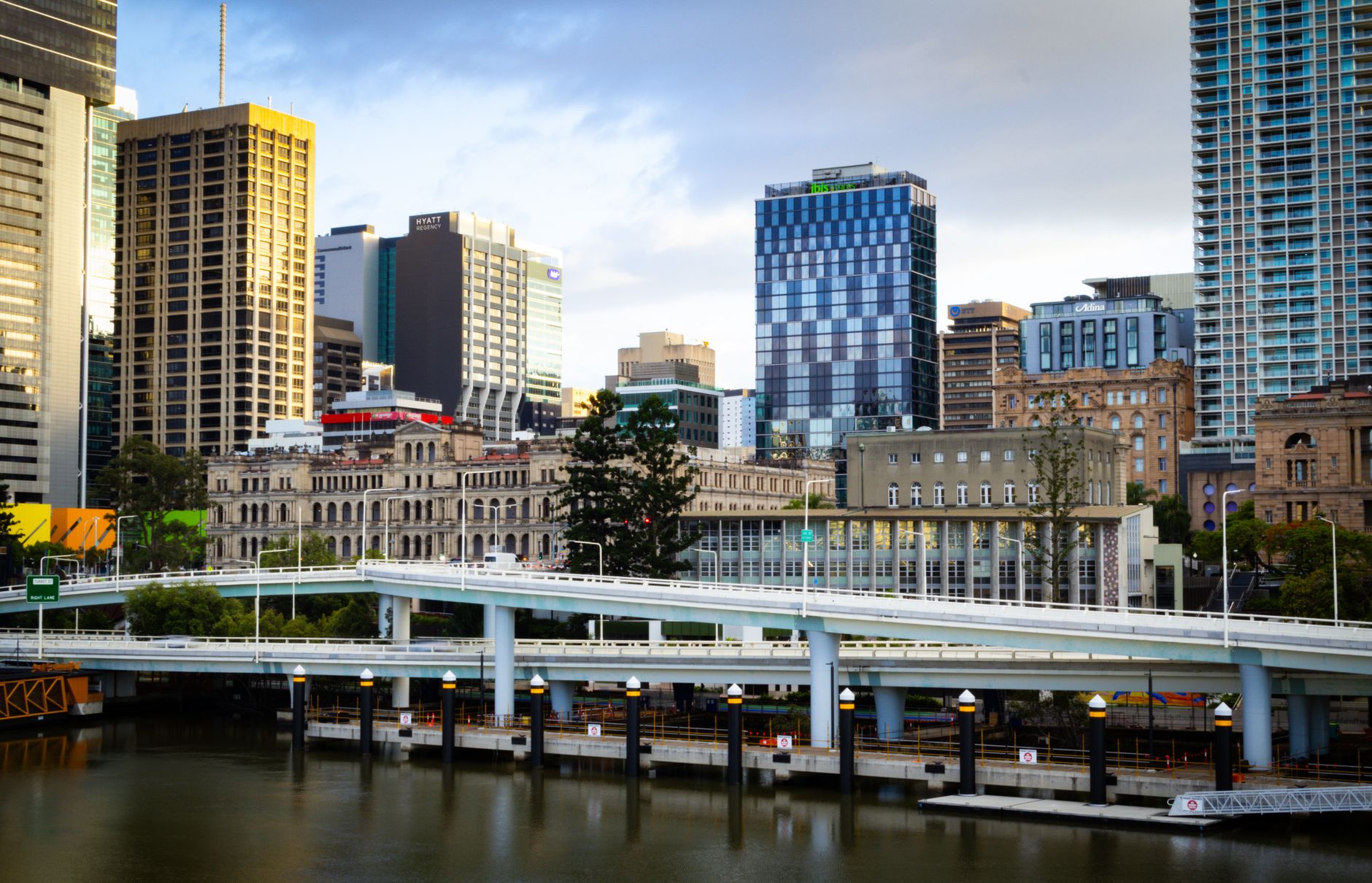
From South Bank to Fortitude Valley: How Brisbane's Gallery Scene is Redefining the City's Creative Identity
As institutions expand and independent spaces flourish, Brisbane's art world is asserting itself as essential to who this city is becoming.
As institutions expand and independent spaces flourish, Brisbane's art world is asserting itself as essential to who this city is becoming.
Walk through South Bank Parklands on any given weekend and you'll witness something quietly transformative happening in Brisbane's cultural backbone. The Queensland Museum, Gallery of Modern Art, and Queensland Art Gallery collectively draw over 2.5 million visitors annually—a figure that tells a story about how deeply creative expression has woven itself into the city's sense of self.
But the real shift extends far beyond the precinct's white walls. Fortitude Valley has emerged as an unlikely epicentre, where converted warehouses along Constance and Little Constance Streets now house galleries like Lone Goat Design Studio and The Ivy Room, proving that contemporary art thrives outside institutional frameworks. These spaces reflect a Brisbane increasingly confident in its own aesthetic language—one that blends Indigenous perspectives with cutting-edge digital work and street-level activism.
The numbers support what locals feel intuitively. Between 2020 and 2025, the number of independent galleries in Brisbane's inner suburbs increased by 34 per cent, according to Brisbane City Council's Creative Industries Report. Entry fees to major institutions remain accessible—QAGOMA's suggested donation model means culture isn't gatekept by price—while smaller venues operate on modest margins, prioritising community access over profit.
What's particularly striking is how Brisbane's institutional leaders are responding to this democratisation. Recent exhibitions have shifted from purely canonical perspectives toward artist collectives and emerging practitioners. The Gallery of Modern Art's 2026 programming prominently features works exploring environmental futures and First Nations knowledge systems, reflecting conversations happening in studios across West End and New Farm.
This maturation of Brisbane's creative identity hasn't happened accidentally. The city's geographic position—isolated enough to develop its own sensibility, connected enough to engage with global movements—has fostered something distinctive. Unlike Sydney's heritage-heavy traditionalism or Melbourne's self-mythologised cool, Brisbane's gallery scene feels genuinely experimental, still discovering what it wants to say.
For a city that once apologised for its cultural credentials, that shift is profound. Galleries and museums are no longer just repositories of art; they're becoming the spaces where Brisbane defines itself. They're where local artists find legitimacy, where audiences encounter perspectives that challenge, where the conversation about who we are and what we value happens in real time. In that sense, every exhibition opening along South Bank, every pop-up in Fortitude Valley, every artist's statement penned in a Valley studio is part of something larger: a city finally comfortable claiming its creative identity as central to everything else it is.
This article was compiled by AI from the sources linked above and screened before publishing. See our editorial standards.
Daily Network
About this article
Published by The Daily Brisbane
Daily brief
Free, in your inbox before 7am. Weekdays.
More from The Daily Brisbane