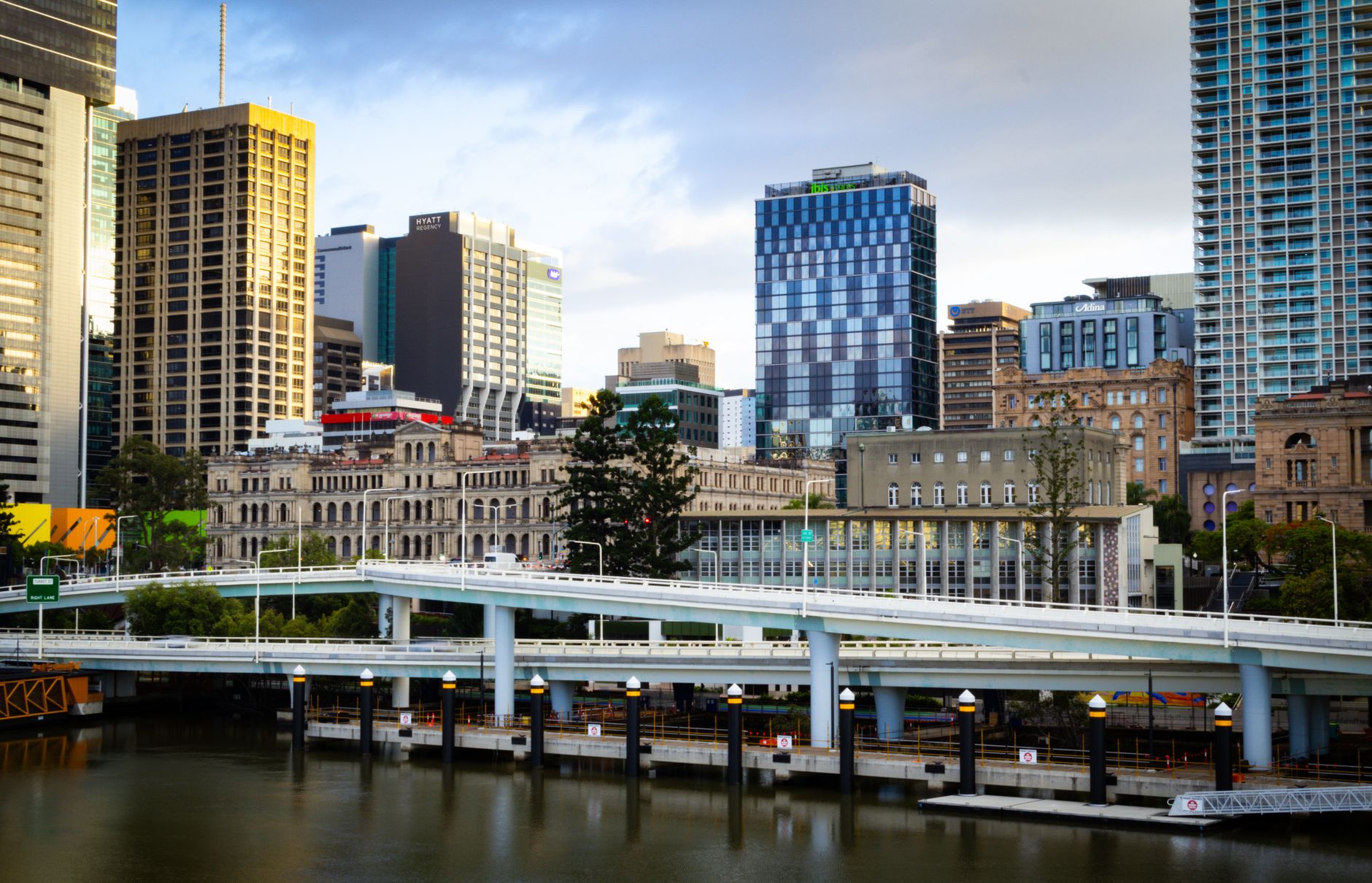
From Ferries and Fire Twirlers to Festival City: How Brisbane Built Its Cultural Calendar
Three decades of grassroots creativity transformed the Brisbane River precinct into one of Australia's most dynamic event destinations.
Three decades of grassroots creativity transformed the Brisbane River precinct into one of Australia's most dynamic event destinations.
In 1995, Brisbane's festival calendar fit comfortably on a single page. South Bank Parklands had only recently opened, the City Botanic Gardens hosted occasional concerts, and the idea of a year-round cultural program seemed almost fanciful for a city still shaking off its image as a sleepy subtropical outpost.
Today, the Brisbane cultural calendar bulges with over 150 significant festivals and events annually, generating an estimated $2.3 billion in economic activity. That transformation didn't happen by accident—it was built by visionary programmers, grassroots organisers, and a city willing to experiment.
The shift began in earnest during the late 1990s, when South Bank's directors realised their venue had untapped potential beyond permanent exhibitions. The first Brisbane Festival in 1998 was modest: two weeks of theatre, music and visual arts scattered across the precinct. Within a decade, it had expanded to six weeks, establishing itself as Queensland's flagship arts event and drawing audiences of 800,000-plus annually.
Parallel to this growth, neighbourhood energy emerged organically. West End's Boundary Street evolved into a cultural corridor, hosting the Paniyiri Greek Festival and attracting independent galleries. Fortitude Valley's transformation from declining warehouse district to creative hub was cemented by the expansion of performance spaces like The Lofts and QPAC's sister venues. By the early 2010s, the Valley alone hosted 40+ cultural events annually.
Street level innovation mattered enormously. The Laneway Festival model, imported from Melbourne, found fertile ground here. Brisbane's narrow CBD laneways became temporary galleries and music venues. The Night Markets phenomenon—which exploded from a single South Bank event in 2010 to a rotating fixture across multiple suburbs—proved locals craved more accessible, informal cultural experiences than traditional venues offered.
What's particularly Brisbane about this evolution is how it distributed opportunity. Rather than concentrating culture in one precinct, the city's geography—the river, the spread of inner suburbs—naturally created multiple cultural centres. New Farm Park hosts the Paniyiri Festival. The Powerhouse hosts everything from electronic music to craft fairs. Even suburban shopping strips began hosting pop-up galleries and street performances.
Today's calendar reflects this maturity. The Brisbane Comedy Festival (established 2007) draws 50,000 attendees. The Asia Pacific Screen Awards firmly positioned Brisbane as a media hub. Winter festivals, summer programs, Indigenous arts celebrations, and neighbourhood markets create something previously impossible: a calendar that serves different communities simultaneously.
This wasn't handed down from above. It emerged from decades of programmers taking risks, artists refusing to leave, and a growing audience that demanded their city deliver cultural vitality. The Brisbane Festival may have opened the door, but the city's grassroots culture built the room behind it.
This article was compiled by AI from the sources linked above and screened before publishing. See our editorial standards.
Daily Network
About this article
Published by The Daily Brisbane
Daily brief
Free, in your inbox before 7am. Weekdays.
More from The Daily Brisbane