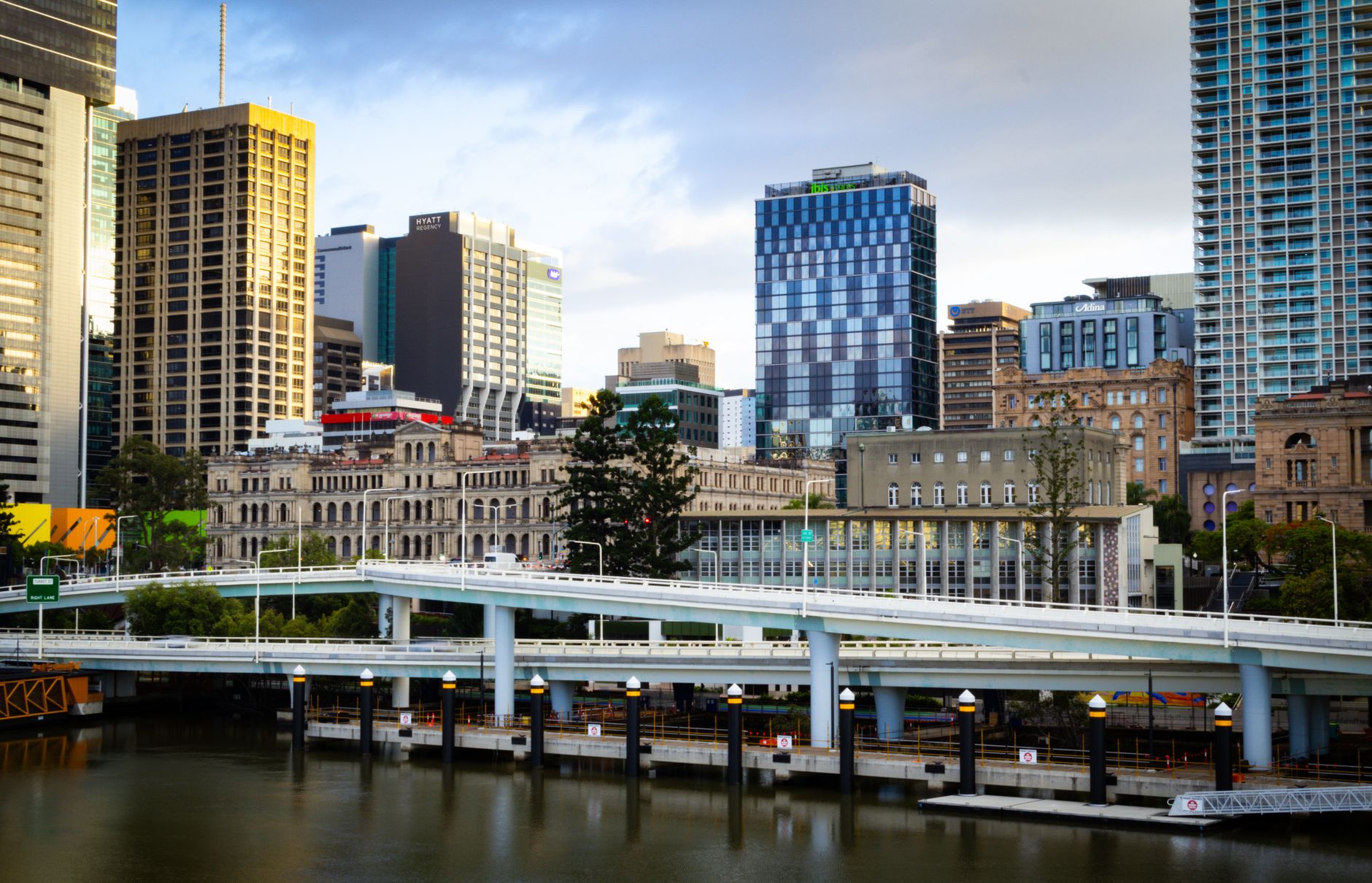
Brisbane's cultural renaissance is no longer whispered about in Melbourne cafes or Sydney theatre foyers—it's happening centre stage, and the city's thriving film, theatre and performing arts ecosystem is the proof point.
The numbers tell part of the story. Queensland Museum's data shows attendance at South Bank Precinct venues—including the Queensland Performing Arts Centre and Gallery of Modern Art—reached 3.2 million visitors annually by 2024, a 22 per cent increase since 2020. But the real transformation is qualitative: Brisbane is no longer importing culture; it's generating it.
QPAC's recent seasons have featured original Australian works premiering before international tours, signalling a shift in creative gravity. Meanwhile, independent operators have carved out equally vital cultural real estate. The Judith Wright Centre in Fortitude Valley continues punching above its weight as an incubator for experimental theatre and independent cinema, while smaller venues along Ann Street have become proving grounds for emerging performance artists and queer theatre collectives that define contemporary Brisbane identity.
The film sector is similarly ascendant. Brisbane International Film Festival, now in its 27th year, attracts international filmmakers and local audiences numbering in the tens of thousands. Screen Queensland's incentive schemes have seeded local production, with independent studios across West End and the Valley producing content that's gaining international recognition. The city's architectural diversity—heritage Edwardian buildings alongside brutalist structures and modern glass—has made it an increasingly attractive location for film production.
What's distinctive is how these cultural institutions are becoming identity markers for the city itself. Unlike Sydney's opera house or Melbourne's laneway culture, Brisbane's creative DNA is being forged through an unusually collaborative ecosystem. QPAC works alongside grassroots venues; major festivals coordinate with emerging artist networks. The result feels organic rather than imposed—a culture that celebrates both blockbuster production and experimental fringe.
South Bank remains the gravitational centre, but the creative energy extends across suburbs. Venues in New Farm, Woolloongabba and Paddington attract loyal local audiences, creating a distributed network of cultural participation that's reshaping how Brisbaneites see themselves and their city.
This isn't simply about entertainment economics, though the cultural industries do contribute substantially to local GDP. It's about narrative. For decades, Brisbane marketed itself through natural beauty and climate. Now, increasingly, it's the stories told on stage, the images flickering across cinema screens, and the performances happening in converted warehouses that define what it means to be Brisbane—creative, ambitious, and distinctly contemporary.
This article was compiled by AI from the sources linked above and screened before publishing. See our editorial standards.