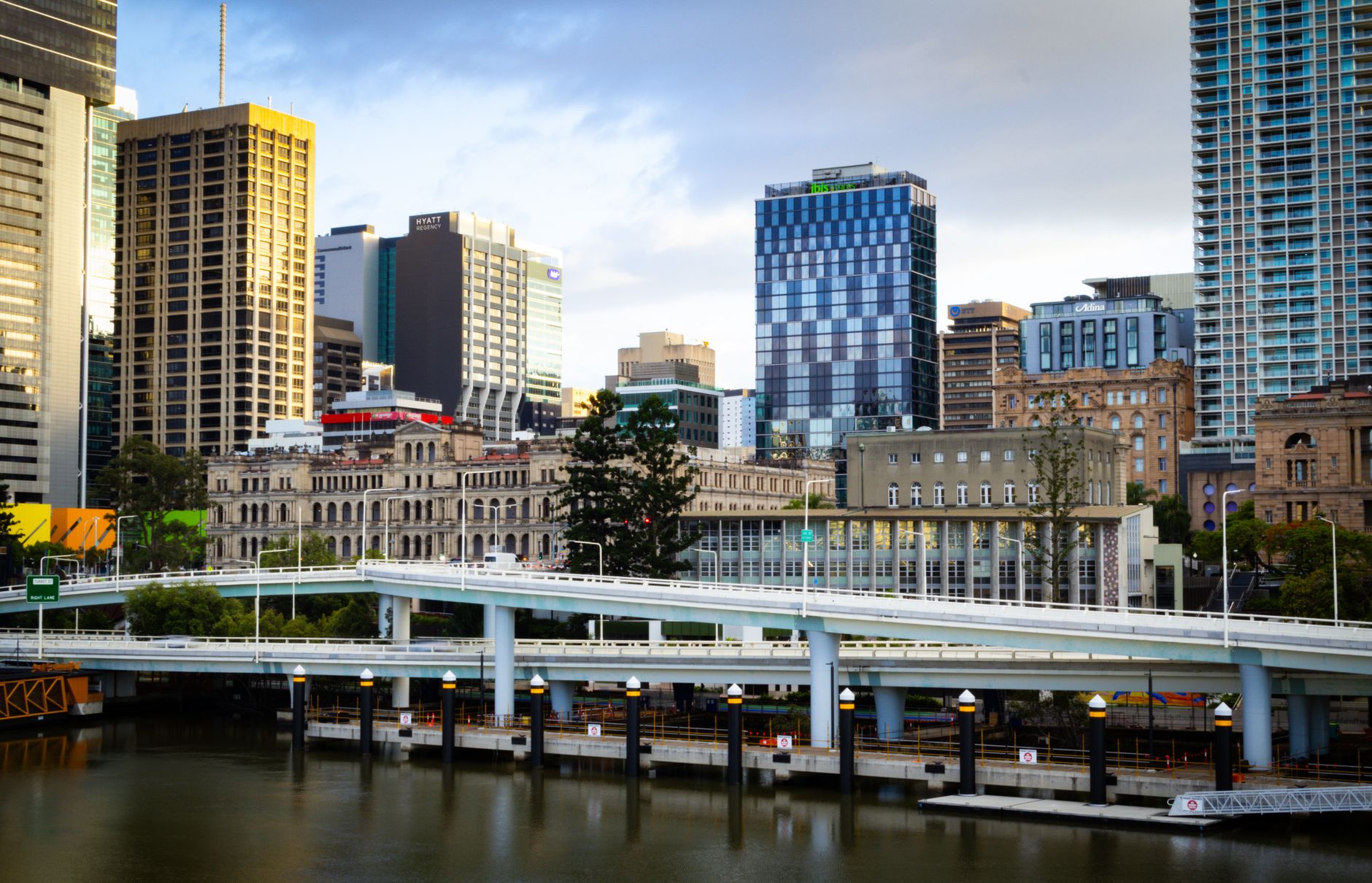
From Warehouse Studios to Global Stage: How Brisbane Built a Fashion Design Powerhouse
Once dismissed as a cultural backwater, Brisbane's creative industries have evolved into a thriving ecosystem that rivals Sydney and Melbourne.
Once dismissed as a cultural backwater, Brisbane's creative industries have evolved into a thriving ecosystem that rivals Sydney and Melbourne.
Two decades ago, Brisbane's fashion designers worked in isolation. The South Bank Parklands had just begun its cultural renaissance, but the creative industries were fragmented, underfunded, and largely invisible beyond Queensland's borders. Today, the city hosts a design community that generates an estimated $2.3 billion annually and attracts emerging talents from across the Asia-Pacific region.
The transformation began earnestly in the early 2000s when designer collectives started occupying converted warehouses in Fortitude Valley. What began as DIY pop-up shops on Brunswick Street evolved into a formal infrastructure. The Paddington Precinct, traditionally a bohemian neighbourhood, became home to independent label showrooms and design studios. By 2015, the Valley alone housed over 200 creative businesses, according to Brisbane City Council data.
The establishment of the Brisbane Fashion Festival in 2016 marked a turning point. What started as a modest three-day event has grown to attract 50,000 attendees annually and showcase 150+ designers. The festival's home at South Bank now rivals Melbourne's White Night as a creative drawcard, positioning Brisbane as a serious player in Australia's fashion conversation.
Educational infrastructure proved crucial. Queensland University of Technology's fashion design program, historically overlooked, began producing award-winning graduates who stayed in Brisbane rather than migrating south. QIMR's creative precincts in the CBD and Southbank provided affordable workspace for emerging designers—a model that other Australian cities have since emulated.
The 2020-2024 period saw explosive growth in sustainable fashion, with Brisbane designers leveraging the city's environmental consciousness. Local labels focusing on ethical production and zero-waste design attracted international investment and media attention. Studio rents in Fortitude Valley, once $180 per square metre annually, now command $280, reflecting the precinct's desirability.
What distinguishes Brisbane's evolution is its collaborative spirit. Unlike Sydney's competitive siloes, Brisbane's design community actively mentors emerging talent. The Creative Industries Hub in the Valley functions as an incubator, offering subsidised workspace and business support. This ecosystem has retained creative professionals who might otherwise relocate.
Today, local designers showcase at Paris Fashion Week and supply major retailers globally. Yet Brisbane's scene remains refreshingly accessible—designers maintain studios open to the public, and the annual Collective Markets on Southbank attract 20,000 visitors seeking direct engagement with makers.
From warehouse experiments to international recognition, Brisbane's fashion design evolution reflects a broader truth: thriving creative cities aren't built overnight, but through sustained investment in talent, infrastructure, and community.
This article was compiled by AI from the sources linked above and screened before publishing. See our editorial standards.
Daily Network
About this article
Published by The Daily Brisbane
Daily brief
Free, in your inbox before 7am. Weekdays.
More from The Daily Brisbane