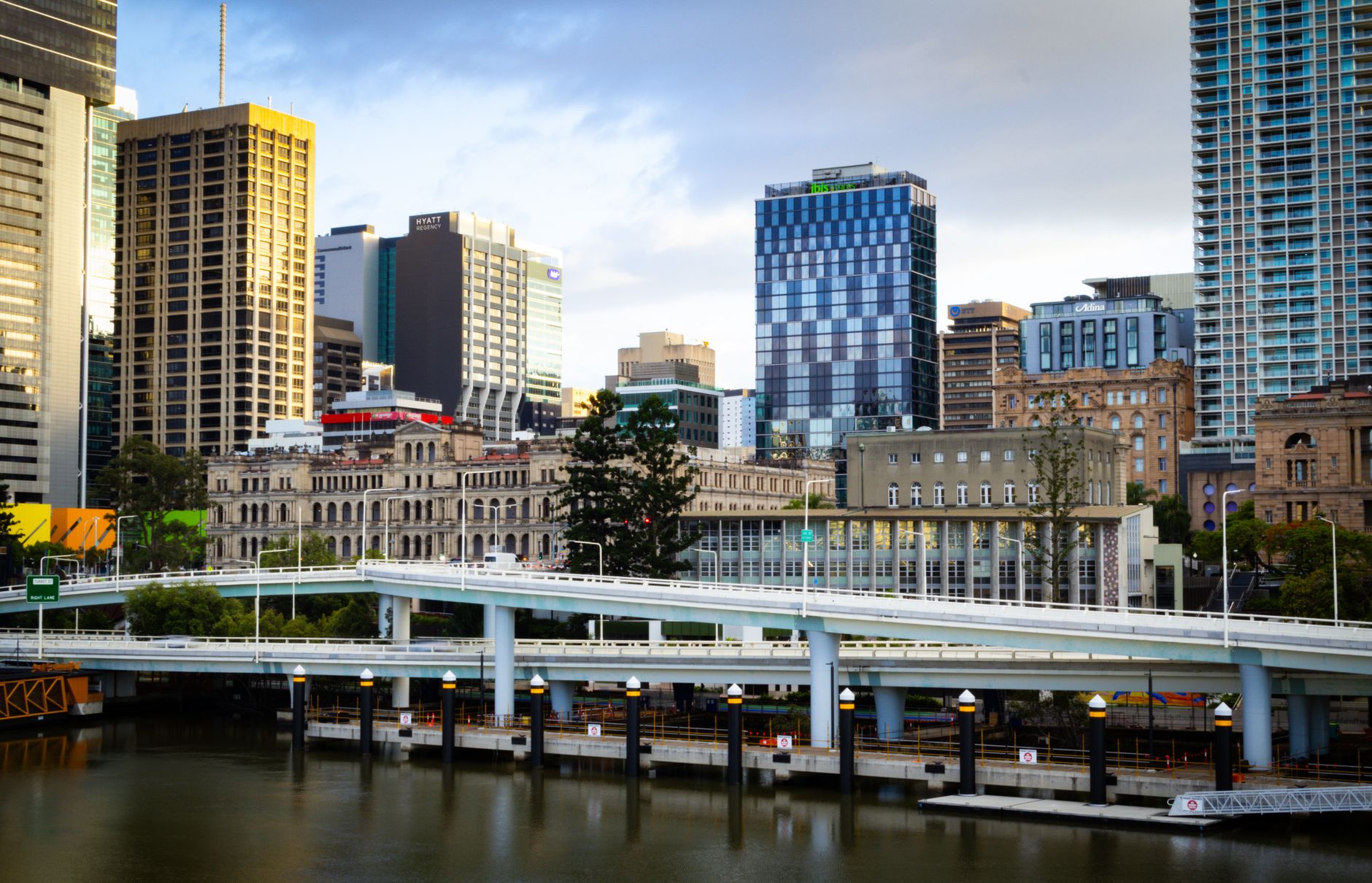
Brisbane's Festival Calendar Is Redefining What a Global City Looks Like
From South Bank to Fortitude Valley, a packed calendar of cultural events is establishing Brisbane as a destination that celebrates creative diversity on its own terms.
From South Bank to Fortitude Valley, a packed calendar of cultural events is establishing Brisbane as a destination that celebrates creative diversity on its own terms.
Walk through South Bank Parklands on any given weekend and you'll witness the infrastructure of Brisbane's evolving identity: stages hosting Indigenous musicians, food courts celebrating multicultural cuisines, installations by local artists occupying gallery spaces that didn't exist five years ago. This isn't accident. It's the city deliberately choosing what it wants to become.
The sheer density of Brisbane's festival calendar—more than 140 significant events annually across venues from the Powerhouse to QAGOMA to intimate laneways in Fortitude Valley—has quietly positioned this city as something distinct from Australia's Eastern Seaboard clichés. We're not trying to be Sydney. We're not attempting Melbourne's indie pretension. Instead, Brisbane has carved a festival identity rooted in accessibility, artistic risk-taking, and genuine community participation.
Consider the mathematics: the Brisbane Festival (two weeks every September, attracting over 400,000 attendees) anchors the calendar, but it's the surrounding ecosystem that matters. The Woodford Folk Festival (90 kilometres north, December-January) draws 120,000 people annually. Brisbane Jazz Festival, Asia Pacific Jazz Festival, and the Biennial all rotate through the year, each bringing distinct audiences and creative energy. The River Festival, returning to the Brisbane River precinct, transforms waterfront spaces into performance zones. Even neighbourhood-level events—the Fortitude Valley Street Fest, West End Markets, Paddington Street Party—embed cultural participation into daily life.
This matters because festivals aren't just entertainment anymore; they're how cities communicate their values. Brisbane's emphasis on Indigenous artists (prominent at South Bank, the Brisbane Festival's programming, and smaller events), Asian cultural representation (mirroring demographic reality), and emerging artist platforms (through initiatives like QAGOMA's public programs) tells a specific story: this is a city investing in cultural voices beyond the establishment gatekeepers.
The economic argument is straightforward—festivals generate estimated $2 billion in visitor spending annually—but the cultural argument is subtler. Each event, each programming choice, each decision about which artists get stage space at Arbour Stage or which musicians headline Treasury Theatre contributes to Brisbane's creative identity. Young artists now point to Brisbane's festival ecosystem as reason to stay. International curators watch South Bank's seasonal programming with genuine interest.
As June transitions into July and Brisbane moves toward the second half of 2026, the calendar ahead—from winter festivals through spring's major events—represents more than logistics. These festivals are the city's conversation with itself about who it is and who it wants to become. In that sense, Brisbane's creative identity isn't just defined by culture. It's being actively constructed, week by week, venue by venue, artist by artist.
This article was compiled by AI from the sources linked above and screened before publishing. See our editorial standards.
Daily Network
About this article
Published by The Daily Brisbane
Daily brief
Free, in your inbox before 7am. Weekdays.
More from The Daily Brisbane