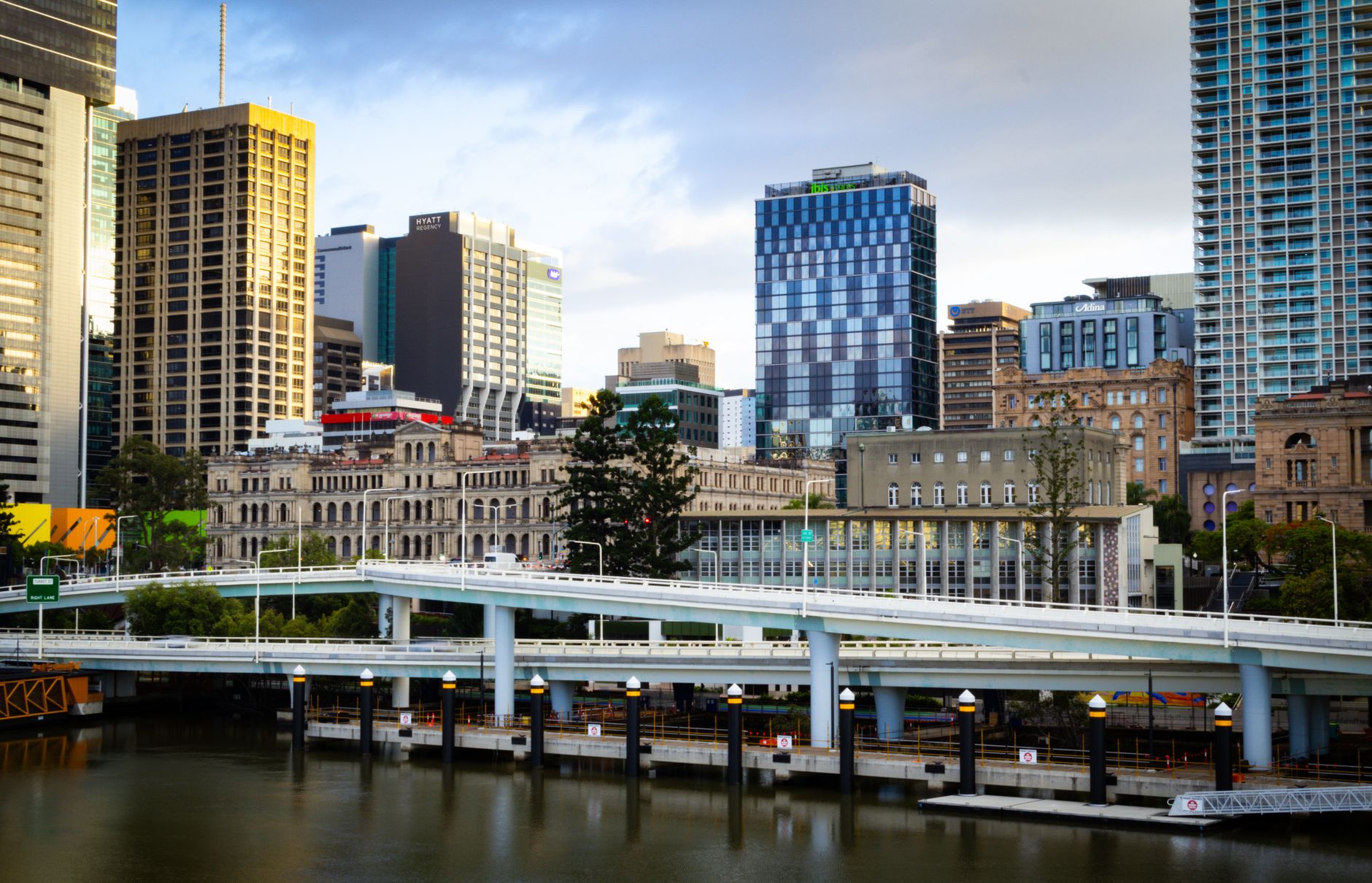
Brisbane's Street Art Scene: What Visitors Need to Know and Where to See the Best Murals
From Fortitude Valley's laneway galleries to South Bank's evolving canvas, here's your guide to the city's most vibrant creative districts.
From Fortitude Valley's laneway galleries to South Bank's evolving canvas, here's your guide to the city's most vibrant creative districts.
Brisbane's street art landscape has transformed dramatically over the past decade, evolving from underground culture into a celebrated urban asset that attracts artists and visitors from across the globe. Today, the city's creative neighbourhoods offer an authentic glimpse into contemporary Australian culture—and they're free to explore.
Fortitude Valley remains ground zero for Brisbane's street art movement. This historic precinct, anchored by Brunswick Street, has become a legitimate gallery without walls. The valley's network of laneways—particularly Chalk Lane, Burnett Lane, and the bohemian stretch near the Valley markets—showcase constantly evolving works from local and international muralists. The neighbourhood hosts around 40 permanent and semi-permanent installations, with new pieces appearing monthly. Most pieces are accessible 24/7, making it ideal for both dawn photographers and evening wanderers.
South Bank Parklands offers a curated alternative to Valley's raw energy. The precinct's riverside precinct features commissioned works that blend art with landscape design, including rotating installations near the Arbour and Cultural Forecourt. These pieces often tie to Brisbane's major events calendar, making repeat visits worthwhile throughout the year.
West End, increasingly recognised as a creative hub, deserves attention from culture-focused visitors. Boundary Street and the surrounding laneways host emerging artists experimenting with diverse styles, from photorealism to abstract geometric work. The neighbourhood's bohemian cafe culture makes it ideal for combining art exploration with local coffee and bookshops.
Practical considerations: wear comfortable walking shoes—exploring these districts properly requires 2-3 hours minimum. Most laneways are safe and well-lit, though Fortitude Valley is best visited during daylight hours for photography. Public parking is available across all three areas, though Brisbane's free CityHopper ferry offers atmospheric arrival to South Bank.
Photography etiquette matters here. While street art is public, many artists appreciate respectful documentation. Always check if temporary installations have artist attribution plaques, typically posted nearby.
The Brisbane City Council maintains a Street Art Register identifying commissioned works and their creators, available online—useful for deeper context. Several independent operators now offer guided street art tours (typically $35-50 per person) that provide artist backgrounds and neighbourhood history unavailable through solitary exploration.
These districts aren't museum experiences. They're living, breathing creative spaces where Brisbane's artistic community continues to challenge conventions and redefine public space. That constant evolution is precisely what makes returning essential.
This article was compiled by AI from the sources linked above and screened before publishing. See our editorial standards.
Daily Network
About this article
Published by The Daily Brisbane
Daily brief
Free, in your inbox before 7am. Weekdays.
More from The Daily Brisbane