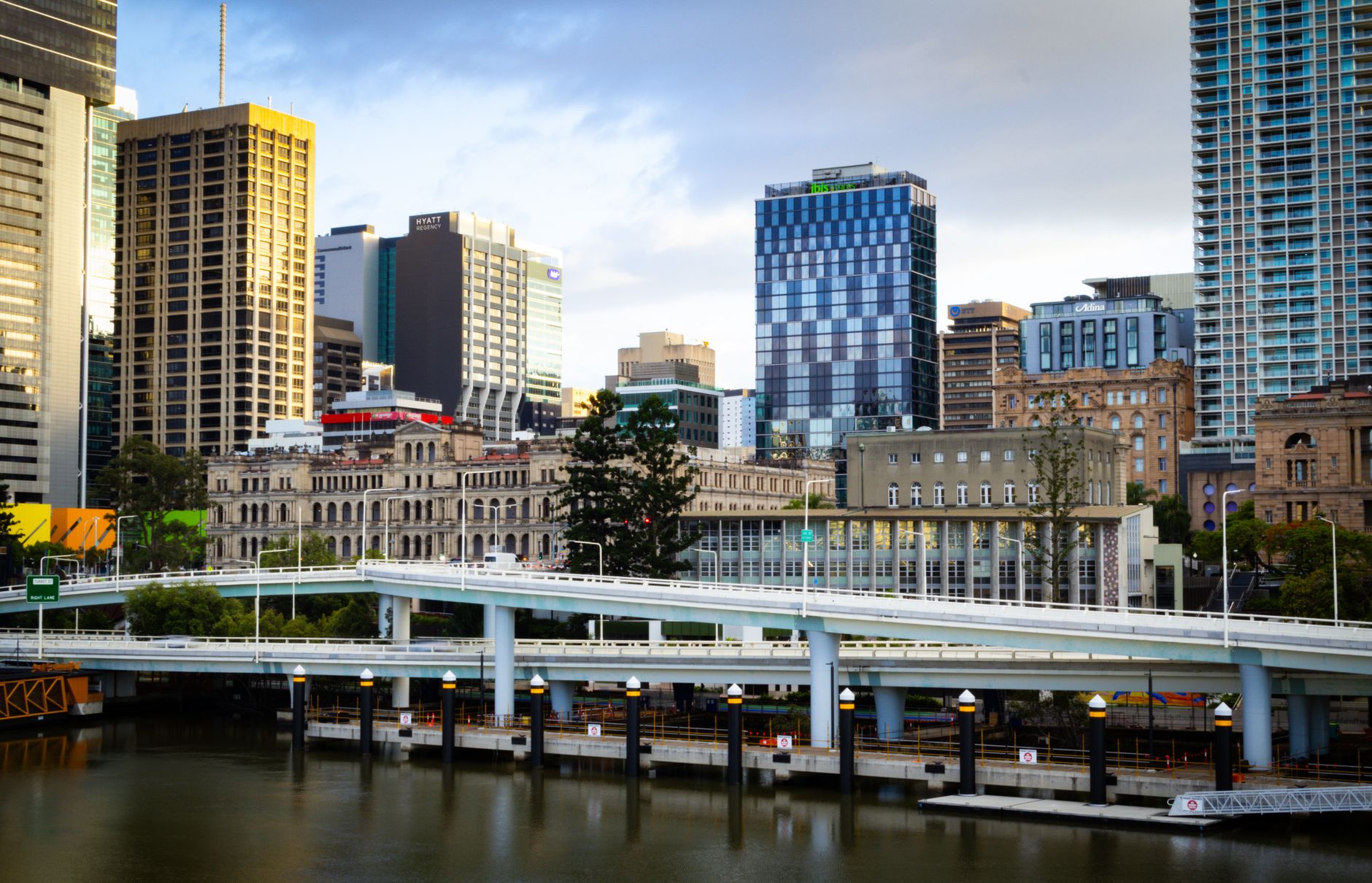
Brisbane's Festival Calendar Is Rewriting the City's Identity as a Creative Powerhouse
From South Bank to Fortitude Valley, a relentless schedule of cultural events is reshaping how the city sees itself and how the world sees Brisbane.
From South Bank to Fortitude Valley, a relentless schedule of cultural events is reshaping how the city sees itself and how the world sees Brisbane.
Walk through Brisbane's CBD on any given week and you'll encounter a city in constant creative motion. The South Bank Parklands alone hosts over 2,000 events annually, while the Cultural Precinct—spanning the Queensland Museum, Gallery of Modern Art, and Performing Arts Centre—has become the gravitational centre of the city's identity. But it's the distribution of events across neighbourhoods that's truly transforming Brisbane's character.
The Fortitude Valley Comedy Festival, now in its eighth iteration, draws 40,000 visitors annually and has positioned inner-city Brisbane as a serious contender in Australia's comedy circuit. Simultaneously, street art festivals in Newstead and Valley's laneways have created Instagram-worthy destinations that attract international visitors seeking authentic urban culture beyond the usual theme parks. The Valley's transformation from industrial precinct to creative hub is no accident—it's the direct result of institutional support meeting grassroots artist momentum.
What distinguishes Brisbane's approach is geographic inclusivity. The City Botanic Gardens hosts classical music series, while Lone Pine Koala Sanctuary runs twilight cinema events. West End's annual street festival draws 150,000 people, proving that cultural programming reaches beyond inner-city circles. This dispersal matters: it signals that Brisbane's creative identity belongs to multiple communities, not a single elite corridor.
The economic argument supports this cultural acceleration. Tourism Queensland reports that cultural and creative events generate approximately $800 million in visitor expenditure annually. But beyond economics, these festivals are doing something subtler—they're allowing Brisbanites to articulate what the city actually is, rather than accept decades-old stereotypes about coastal leisure.
Emerging events reveal shifting priorities. GOMA's Australia's Biggest Art Show, running annually since 2018, attracted 50,000 visitors last year and democratised what 'serious' art could look like. The Brisbane Writers Festival, held each September, has positioned the city as a literary hub, competing with Melbourne's traditionally dominant scene. These aren't inevitable events—they're conscious choices about cultural value.
As Brisbane approaches 2027 with proposed expansion of the Cultural Precinct and ongoing development of riverside precincts, the question emerges: is the city defining its festivals, or are festivals defining the city? The answer, increasingly, appears to be both. Each new event creates templates for identity-making; each successful festival validates the next proposal. Brisbane's calendar is becoming its constitution—a living document of who the city believes itself to be.
This article was compiled by AI from the sources linked above and screened before publishing. See our editorial standards.
Daily Network
About this article
Published by The Daily Brisbane
Daily brief
Free, in your inbox before 7am. Weekdays.
More from The Daily Brisbane