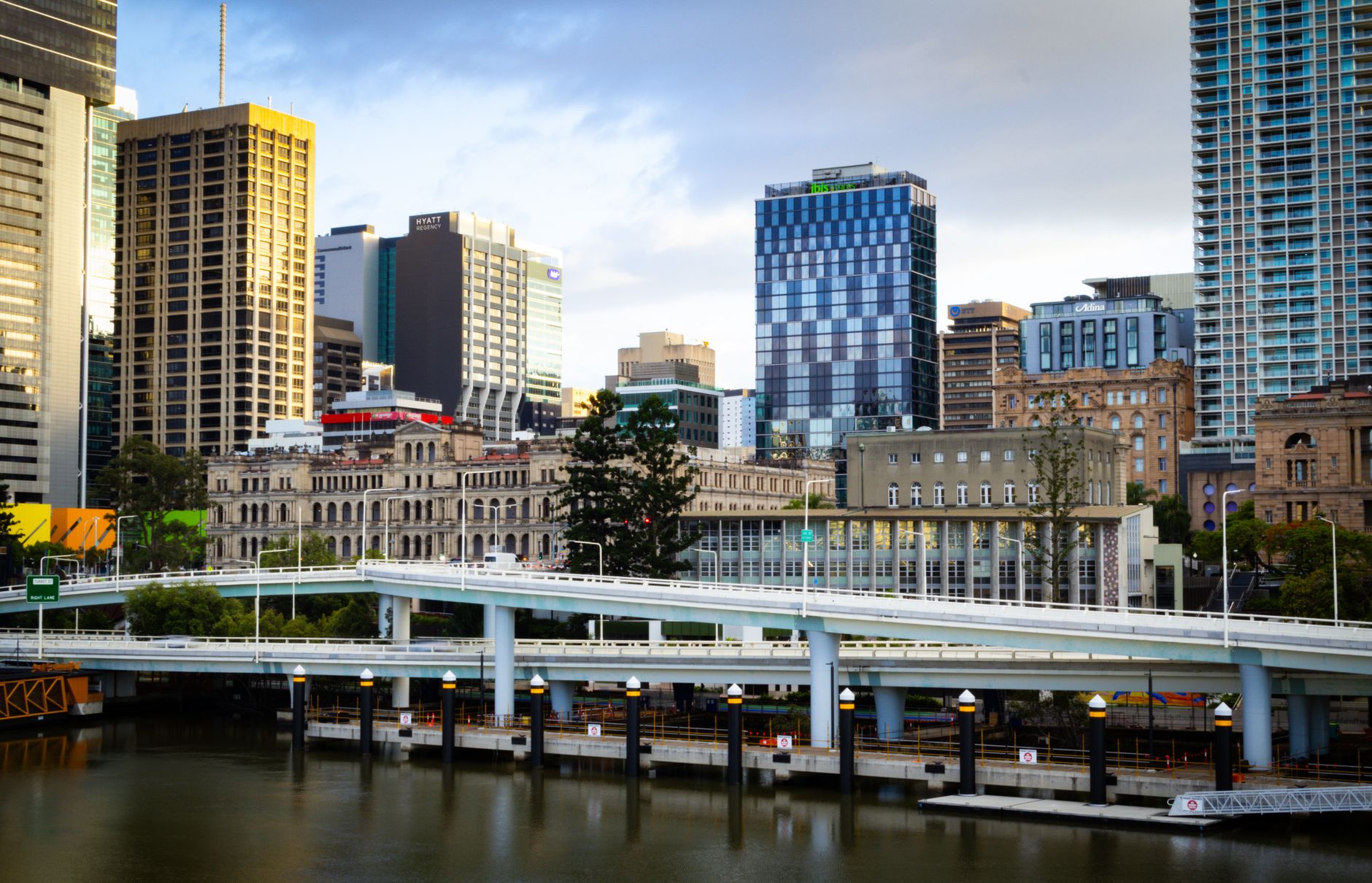
Walk down Brunswick Street in Fortitude Valley on any given weekend and you'll witness a phenomenon that's quietly reshaping Brisbane's urban landscape. Where crumbling brick walls once stood anonymous and neglected, towering murals now command attention—vibrant splashes of colour that have become as much a part of the neighbourhood's identity as its cafes and vintage shops.
This isn't accidental beautification. Behind every major piece lies a deliberate movement of artists, community groups and local business owners working in concert to reclaim public space and foster creative expression. Over the past five years, street art has evolved from underground activity to sanctioned cultural practice, with Brisbane City Council now actively supporting designated mural projects across the CBD, Valley, and emerging hotspots like Kangaroo Point.
The shift reflects a broader demographic change. A 2024 Brisbane Creative Industries Report found that arts-adjacent employment in the city has grown 18 percent since 2020, with street art and public design cited as key drawcards for younger residents and visitors. Property values along arterial streets featuring curated mural programmes have increased by an average of 12 percent, lending economic weight to what was once dismissed as vandalism.
Community organisations have been central to this transformation. Groups like StreetArt Brisbane and the Valley Culture Alliance operate on a model of collaboration rather than confrontation, liaising with councils, property owners and artists to create legal frameworks for public expression. Their monthly workshops at Creative Spaces in South Brisbane attract hundreds, teaching techniques to aspiring muralists while building neighbourhood cohesion.
"We're seeing the city through the eyes of its youngest residents," says Emma Hartwell, director of programming at QAGOMA's public engagement team, reflecting on how street art has become a gateway to deeper civic participation. Young artists who begin with mural projects increasingly move into gallery spaces, design studios and public commissions.
The economic model is shifting too. Street art tours—once niche offerings—now generate approximately $4.2 million annually in Brisbane's tourism sector. Local councils have allocated $2.8 million across three years for sanctioned public art projects, with priority given to applications involving grassroots collectives.
Yet challenges remain. Maintaining the authentic, spontaneous energy of street culture while formalising it through permits and permissions requires delicate balance. Artists and organisers continue negotiating the line between creative freedom and municipal oversight.
What's undeniable is that Brisbane's creative districts no longer exist by accident—they're being actively built by communities determined to make their city more expressive, more inclusive, and unmistakably theirs.
This article was compiled by AI from the sources linked above and screened before publishing. See our editorial standards.