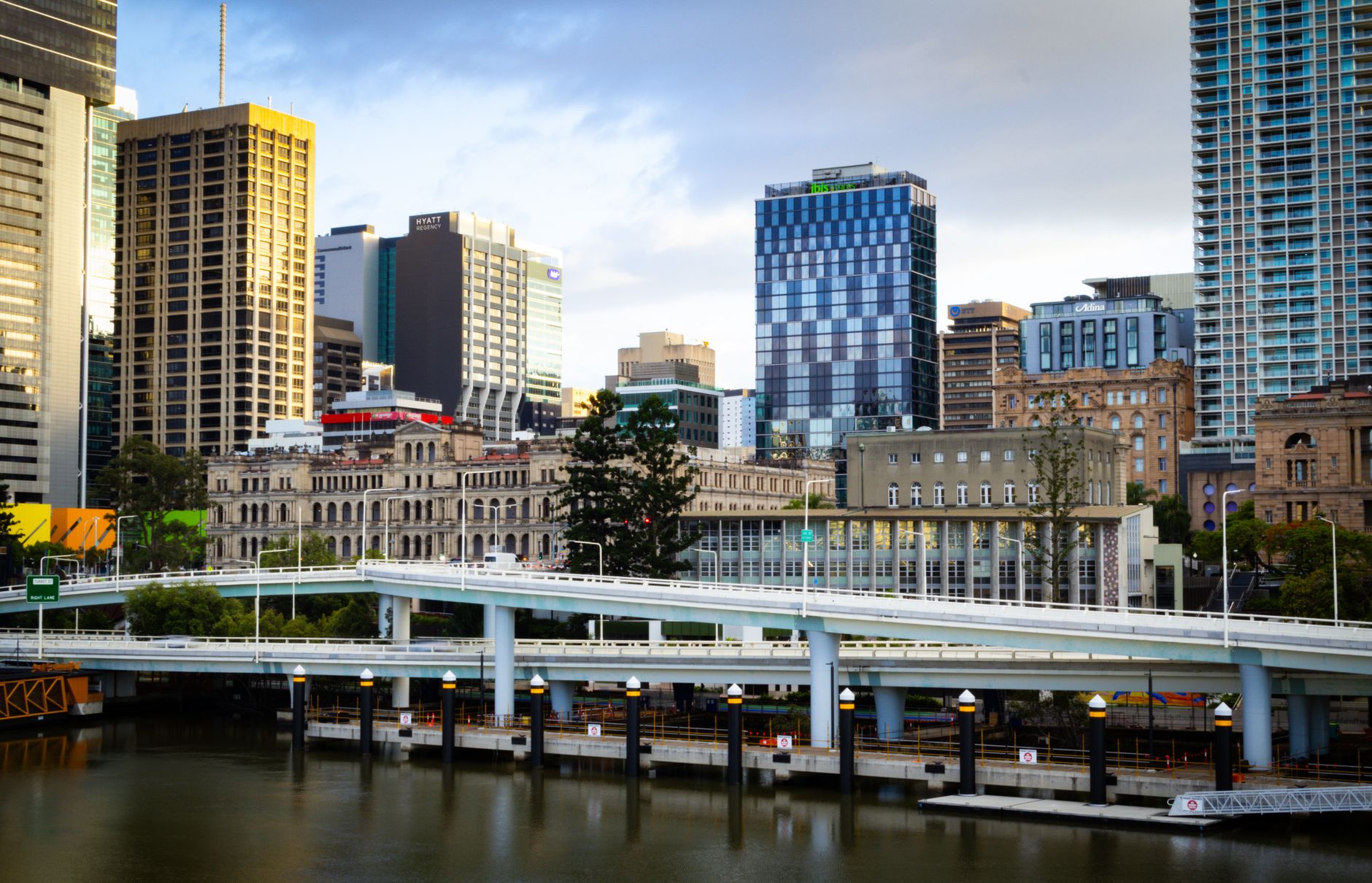
Brisbane's food culture is undergoing a quiet revolution, and it's not happening in the gleaming towers of South Bank. Instead, it's taking root in the laneways of Fortitude Valley, the warehouse conversions of Newstead, and the Victorian terraces of West End—driven by a determined community of independent operators who've had enough of the chain-restaurant monotony that once defined Australian city dining.
The shift has been building for five years, but accelerated sharply post-pandemic. Where Brisbane once relied on familiar franchises and hotel restaurants, a new generation of food entrepreneurs is building something deliberately different: venues with character, menus shaped by owner conviction rather than corporate spreadsheets, and food systems rooted in local supply chains.
On Fortitude Valley's Brunswick Street and along the laneways between, a cluster of independent wine bars, micro-restaurants, and food collectives has emerged. Venues are increasingly owner-operated, with chefs like those at neighbourhood institutions choosing to stay independent rather than expand. The Economics of Placemaking—a concept Brisbane's cultural sector has begun embracing seriously—suggests that these hyperlocal food spaces generate three times the community engagement of chain alternatives.
The movement has institutional backing too. Brisbane City Council's Local Precinct Program has quietly supported independent food businesses through grant schemes and zoning flexibility, recognising that a city's global reputation depends on authentic local culture, not McDonald's presence.
What's driving this? Partly economics—a single-site restaurant owner retains 60–70 per cent of revenue versus 30–40 per cent under franchise models. Partly philosophy: many operators cite burnout from corporate kitchens and a desire to cook what they believe in. And partly community demand. Social media has made it easy for Brisbanites to discover hole-in-the-wall spots and amplify them; the era of invisible small restaurants is over.
Newstead and West End have become laboratories for this movement. Converted warehouses now house collaborative food spaces where three or four independent operators share kitchen facilities and front-of-house costs, keeping individual overhead manageable while maintaining autonomy. It's a model proving remarkably resilient.
The shift isn't anti-tourism or precious. Rather, it reflects a maturing city that understands global cities like Melbourne, Portland, and Barcelona built their reputations on distinctive local food cultures, not on how well they replicated international chains. Brisbane is finally learning that lesson.
For diners, this means better food, fairer wages in kitchens where owners actually care, and restaurants that close if they're not working—rather than propped up by corporate balance sheets. That's the movement reshaping how Brisbane eats.
This article was compiled by AI from the sources linked above and screened before publishing. See our editorial standards.