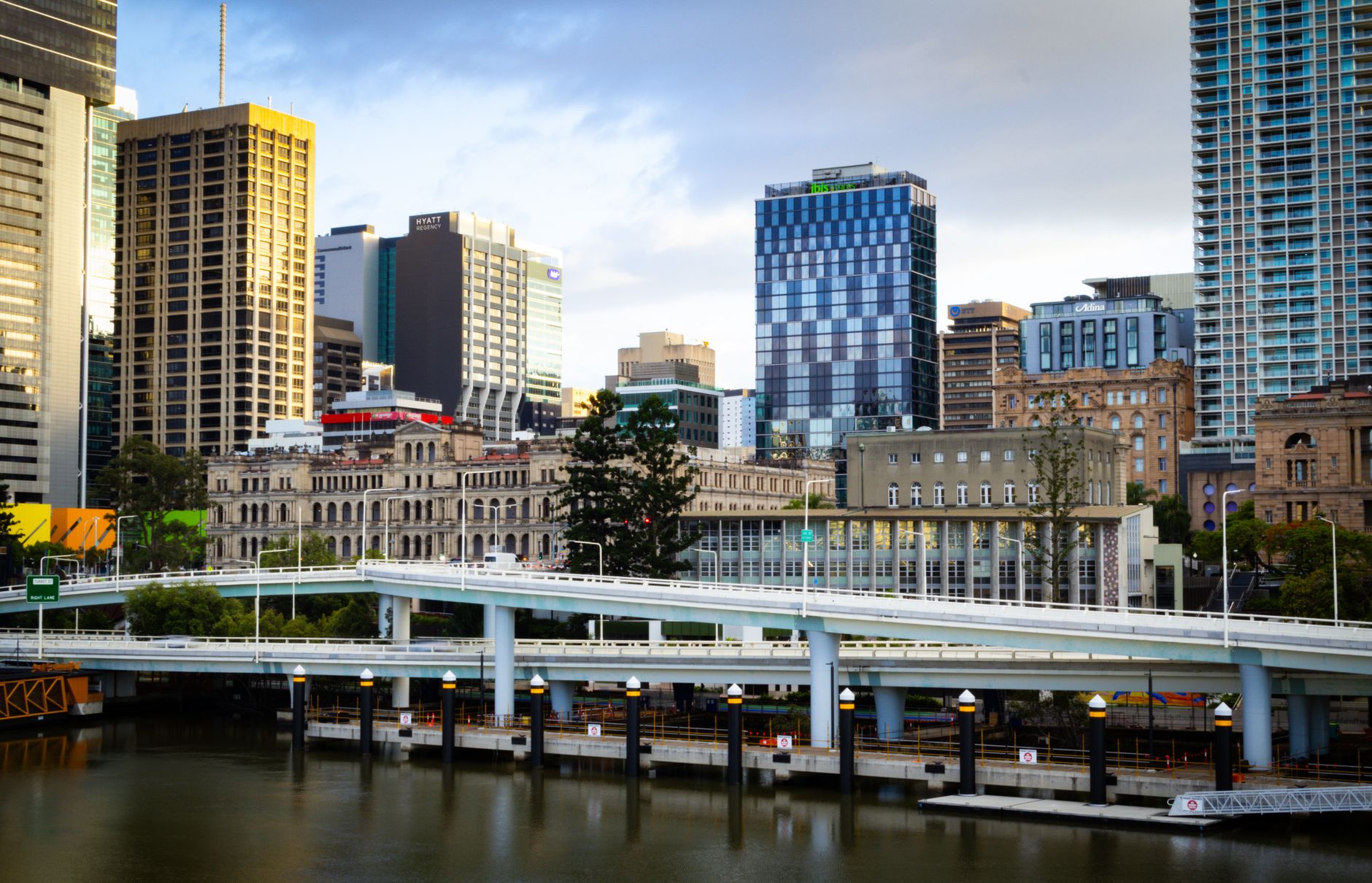
Walk down Queen Street today and you'll struggle to imagine the golden age of Brisbane's cinema palaces. Yet between the 1920s and 1960s, this stretch was lined with ornate theatres—the Regent, the Empire, the Majestic—where thousands gathered weekly to escape into flickering worlds. These weren't merely cinemas; they were social anchors, architectural statements of a city claiming its place on the world stage.
The decline of those picture palaces mirrors a familiar national story. Television's rise in the 1950s decimated audiences. By the 1980s, most had vanished or been retrofitted into shopping centres. Yet Brisbane's cultural appetite didn't disappear—it transformed.
The 1990s marked a turning point. The Queensland Performing Arts Centre's opening in 1985 on South Bank had planted institutional seeds, but independent venues began flourishing in unexpected corners. The Powerhouse in New Farm, housed in a restored power station, became a laboratory for experimental theatre and music. La Boîte Theatre Company, established in 1967 but reaching maturity in this era, pioneered bold dramaturgical choices that challenged Brisbane audiences beyond the safety of mainstream offerings.
Today's landscape reflects genuine diversity. The Judith Wright Centre of Contemporary Arts in Fortitude Valley champions emerging artists across disciplines. Smaller venues like QPAC's Cremorne Theatre and independent black-box spaces have democratised access—ticket prices typically ranging from $25 to $60, compared to the $15-plus cinema tickets locals now spend elsewhere.
What's striking is Brisbane's rediscovery of intimacy. While the Regent could hold 2,000, contemporary theatre thrives in 200-seat venues where actors breathe the same air as audiences. The Somewhere Else Theatre at Kelvin Grove and independent productions utilising warehouses across South Brisbane demonstrate this shift away from spectacle toward connection.
Film culture hasn't disappeared—it's fractured productively. The Brisbane International Film Festival, running since 1992, draws 40,000 attendees annually. Smaller film societies, projection nights in parks, and cinemas like the Dendy showing independent releases, suggest cinema now competes not through grandeur but curation.
What emerges across this century is less decline than reimagining. Brisbane's performing arts scene no longer announces itself through architectural bombast on Queen Street. Instead, it operates as a distributed network—South Bank's cultural institutions alongside grassroots theatre in converted warehouses, cinema festivals alongside streaming availability, professional companies alongside university drama schools.
The picture palaces are gone. But Brisbane's hunger for live performance, for stories told in rooms where breath is audible, suggests the deeper impulse those theatres satisfied persists—merely taking forms our grandparents wouldn't have recognised.
This article was compiled by AI from the sources linked above and screened before publishing. See our editorial standards.