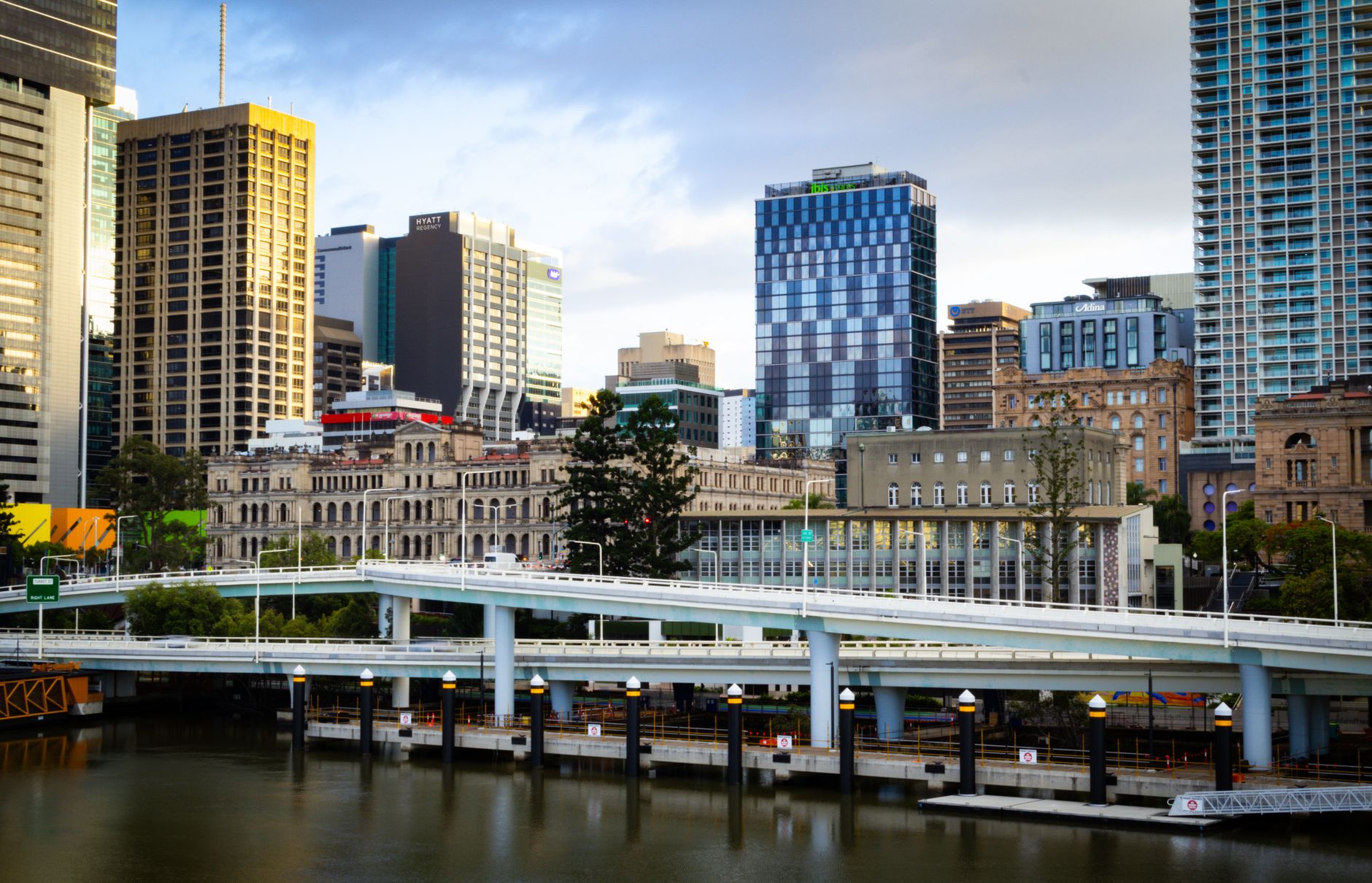
From Boutique Beginnings to Global Stage: How Brisbane's Fashion and Design Scene Evolved
What started as scattered creative hubs in South Bank has blossomed into a thriving ecosystem that rivals Australia's east coast fashion capitals.
What started as scattered creative hubs in South Bank has blossomed into a thriving ecosystem that rivals Australia's east coast fashion capitals.
Brisbane's creative industries have undergone a remarkable transformation over the past two decades, shifting from a scattered collection of independent designers working from home studios to a cohesive, professionally networked sector that now contributes significantly to the city's cultural economy.
The earliest seeds were planted in the late 1990s when designers began clustering around South Bank's creative precinct, particularly along Grey Street and in converted warehouses near the Gallery of Modern Art. These spaces offered affordable rent compared to Sydney and Melbourne, attracting designers seeking to establish themselves outside the traditional fashion capitals. By the early 2000s, boutique stores like those dotting James Street in Fortitude Valley became incubators for local talent, with designers operating retail spaces on minimal budgets while building their client bases.
The turning point came around 2010 when industry bodies and the City Council began formalising support structures. The emergence of fashion weeks—initially modest affairs compared to Melbourne's runway shows—provided crucial visibility. More importantly, creative precincts in Paddington and New Farm attracted design studios, textile workshops, and production facilities, creating a genuine supply chain for the first time.
Today, Brisbane's fashion and design sector includes over 1,200 registered creative businesses, according to recent Queensland Government figures. The industry generates an estimated $340 million annually for the local economy. Venues like the Brisbane Powerhouse in New Farm have become platforms for emerging designers, while Queensland College of Art graduates increasingly choose to establish practices here rather than migrate interstate.
What distinguishes Brisbane's evolution is its boutique character. Unlike Sydney's corporate fashion establishment, the city cultivated a reputation for accessible, experimental design. The South Bank Precinct's transformation into a dedicated creative hub, combined with grassroots initiatives through organisations supporting independent makers, reinforced this identity.
The pandemic accelerated digitalisation, pushing many designers toward e-commerce and virtual showcasing. Yet it also reinforced community—the local design network tightened through pop-up collaborations and shared studio spaces across Fortitude Valley and Woolloongabba.
As international buyers increasingly scout Australian design talent, Brisbane's scene punches above its weight. The city's evolution reflects a broader truth: that creative industries thrive not through grand infrastructure alone, but through affordable spaces, community support, and the willingness to chart a distinct cultural path.
This article was compiled by AI from the sources linked above and screened before publishing. See our editorial standards.
Daily Network
About this article
Published by The Daily Brisbane
Daily brief
Free, in your inbox before 7am. Weekdays.
More from The Daily Brisbane