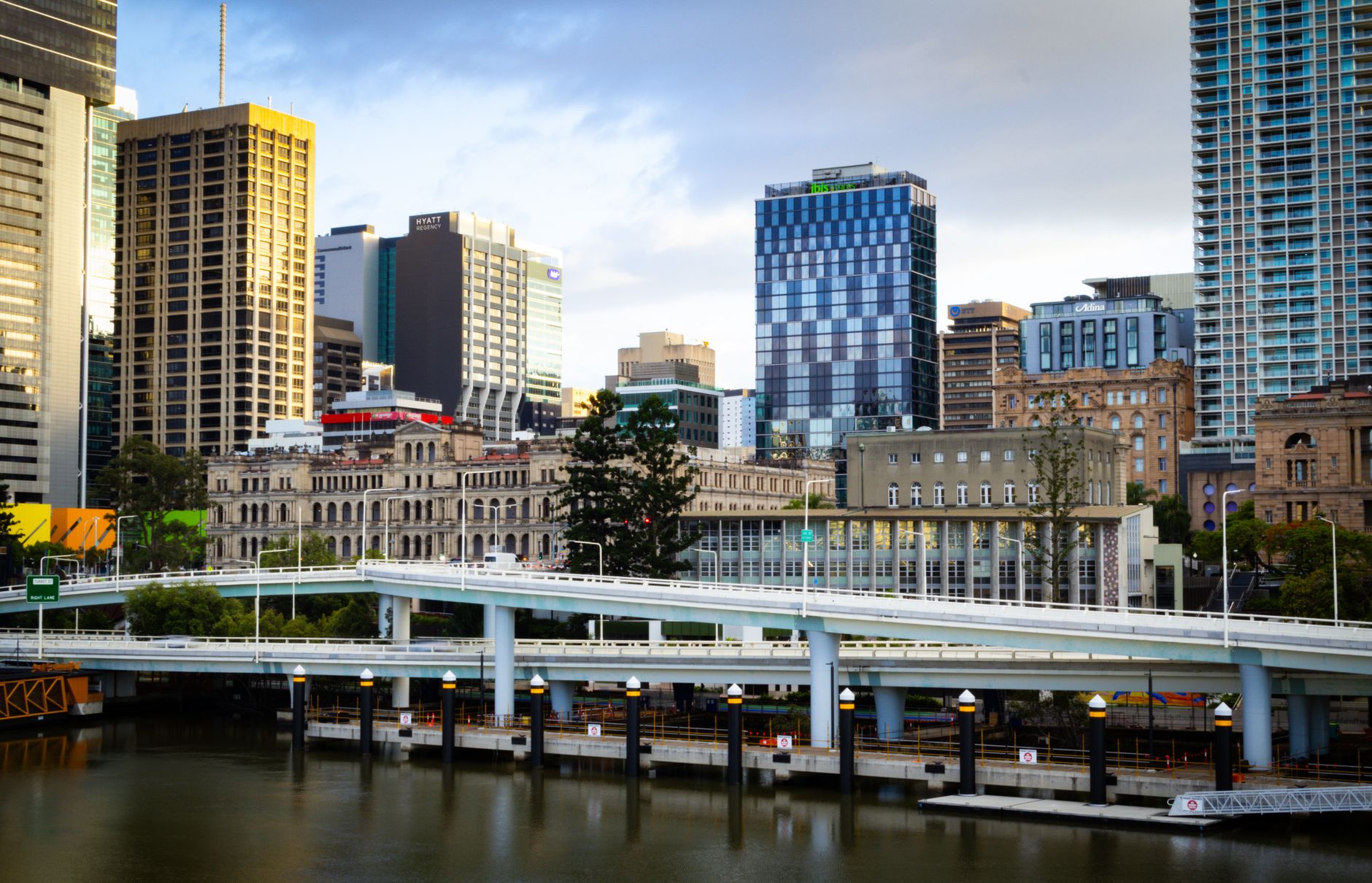
Brisbane's visual arts landscape is experiencing a generational shift. While established institutions like QAGOMA continue to draw crowds along South Bank Parklands, a wave of emerging artists is reshaping how and where contemporary work gets seen—often operating from converted warehouses in Fortitude Valley, pop-up spaces around New Farm, and independent galleries dotting the inner west.
The shift reflects broader demographic changes in Queensland's creative workforce. According to Arts Queensland's 2025 cultural participation report, nearly 43% of gallery visitors are now aged under 35, up from 28% five years ago. This younger audience is actively seeking work that speaks to lived experience: identity, climate anxiety, and diaspora narratives.
Several venues have become launchpads for this emerging cohort. Amongst Gallery in Fortitude Valley has become something of a proving ground, hosting monthly group exhibitions that rotate emerging practitioners alongside established names. Meanwhile, smaller independent spaces like those clustered around Kelvin Grove—historically a creative hub—continue to nurture experimental practice, from immersive video installations to textile-based work challenging traditional medium hierarchies.
The economic picture is sobering yet energising. An emerging artist might expect to price work between $800–$3,500 at gallery level, with many working second jobs or relying on arts grants. Yet the Australian Arts Council's recent investment in regional contemporary practice has bolstered opportunities: Brisbane-based creatives accessed over $2.1 million in project funding in 2025, a 19% increase on the previous year.
What distinguishes this generation isn't just subject matter—it's methodology. Collaborative practices are favoured over individual heroism. Indigenous perspectives, queer narratives, and non-Western aesthetics are increasingly centred rather than tokenised. Several emerging practitioners are deliberately working across disciplines: performance meets painting, sound design meets sculpture.
The gallery scene itself is becoming more porous. Pop-up exhibitions in vacant shopfronts on James Street, artist-run collectives in Woolloongabba, and grassroots initiatives in West End are competing for attention alongside traditional gallery models. Entry fees to emerging artist shows typically hover around $5–$12, deliberately kept low to maximise accessibility.
For Brisbane's emerging arts ecosystem, 2026 marks an inflection point. The next wave isn't waiting for institutional validation—they're building alternatives. Smart collectors and curious audiences would be wise to follow these parallel circuits closely; today's emerging voices on Fortitude Valley's walls may well define Queensland's cultural conversation for the next decade.
This article was compiled by AI from the sources linked above and screened before publishing. See our editorial standards.