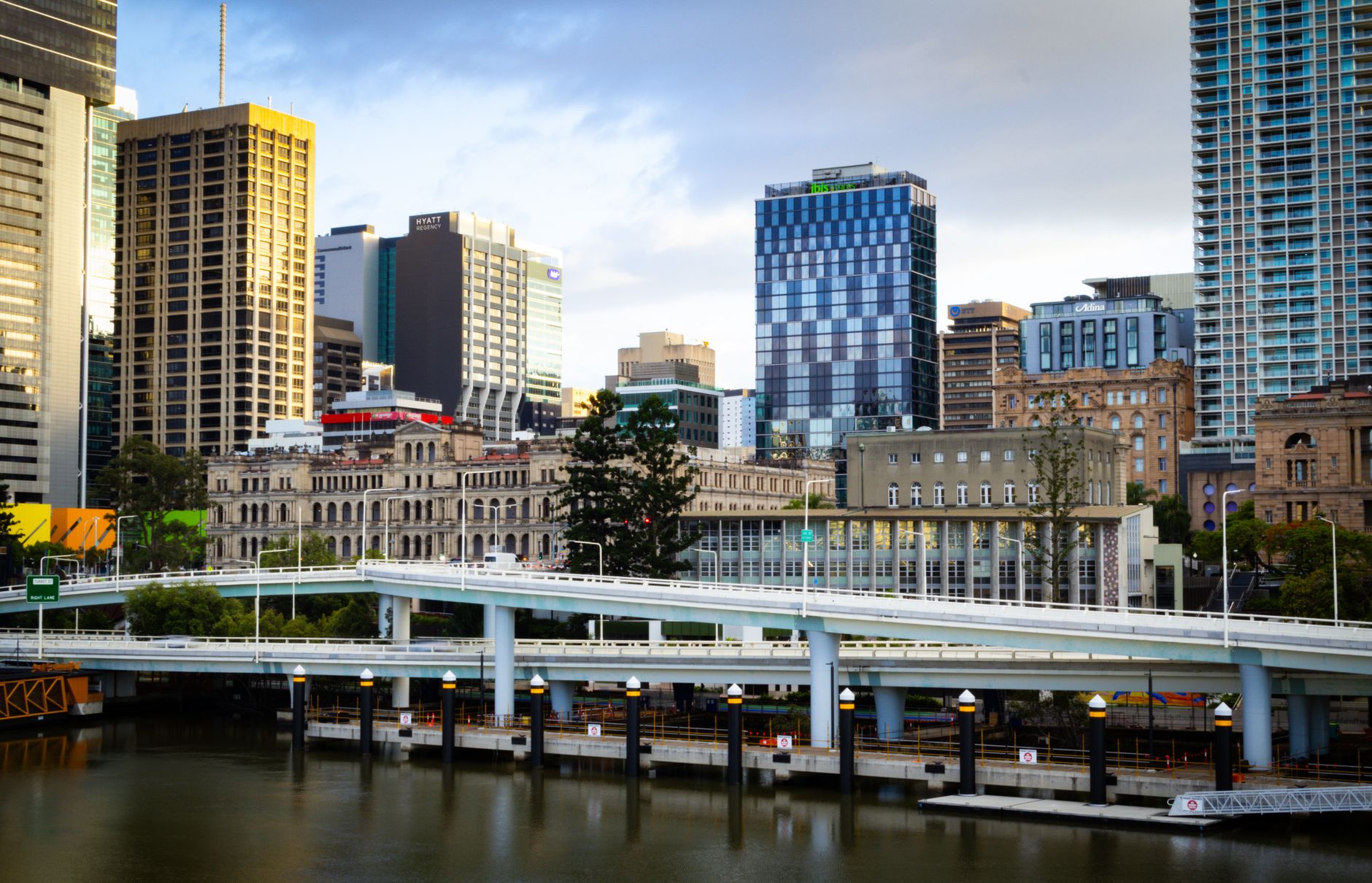
The architects of ambition: How Brisbane's performing arts pioneers built a world-class scene from scratch
Meet the visionary directors, designers and community organisers who transformed South Bank and the CBD into cultural landmarks.
Meet the visionary directors, designers and community organisers who transformed South Bank and the CBD into cultural landmarks.
Walk past the Queensland Performing Arts Centre on South Bank on any given evening and you'll witness the culmination of decades of deliberate culture-building—a scene that didn't emerge by accident, but by the determined vision of artists, administrators and community leaders who refused to let Brisbane remain a cultural footnote.
The story of how Brisbane's theatre district came to rival Melbourne and Sydney begins not with grand opening ceremonies, but in smaller spaces: converted warehouses in West End, modest performance venues along Fortitude Valley's cramped laneways, and church halls where experimental theatre companies rehearsed on shoestring budgets.
South Bank Parklands, which now anchors the city's cultural identity with its three theatres and concert hall, emerged from a 1988 World Expo site that could have become another shopping precinct. Instead, visionary urban planners and arts advocates convinced successive governments that Brisbane needed dedicated performance infrastructure. The QPAC opened in 1985—before the Expo—representing a $200 million bet that the city deserved major theatrical productions.
But venue architecture tells only part of the story. The real engine of Brisbane's performing arts boom has been the independent companies and collectives that incubated talent and audiences simultaneously. La Boîte Theatre Company, operating since 1987 from its Elizabeth Street base in the CBD, pioneered contemporary Australian dramaturgy when Brisbane's theatrical landscape was dominated by touring productions. Meanwhile, independent choreographers and experimental artists established themselves in cheaper precincts—Valley, Paddington, Annerley—creating a distributed network of creative spaces.
Today, that ecosystem supports over 40 active theatre and performance companies operating across Brisbane, generating an estimated $120 million annually in cultural tourism and local employment. The Judith Wright Centre in Fortitude Valley serves as an incubator space exactly as its founders intended—subsidising experimental work that wouldn't survive market forces alone.
What distinguishes Brisbane's scene is its collaborative architecture. Rather than compete, companies across the city share technical expertise, cross-pollinate audiences and mentor emerging artists. The Queensland Theatre Company, Brisbane's major producing organisation, actively develops relationships with smaller companies, recognising that the health of the major venue depends on a thriving independent sector below.
As Brisbane approaches its 180th anniversary in 2031, those original culture-builders have established something remarkable: a performing arts ecosystem that balances artistic ambition with community accessibility, professional excellence with experimental risk-taking. It's an achievement worth recognising—before the next generation inherits it.
This article was compiled by AI from the sources linked above and screened before publishing. See our editorial standards.
Daily Network
About this article
Published by The Daily Brisbane
Daily brief
Free, in your inbox before 7am. Weekdays.
More from The Daily Brisbane