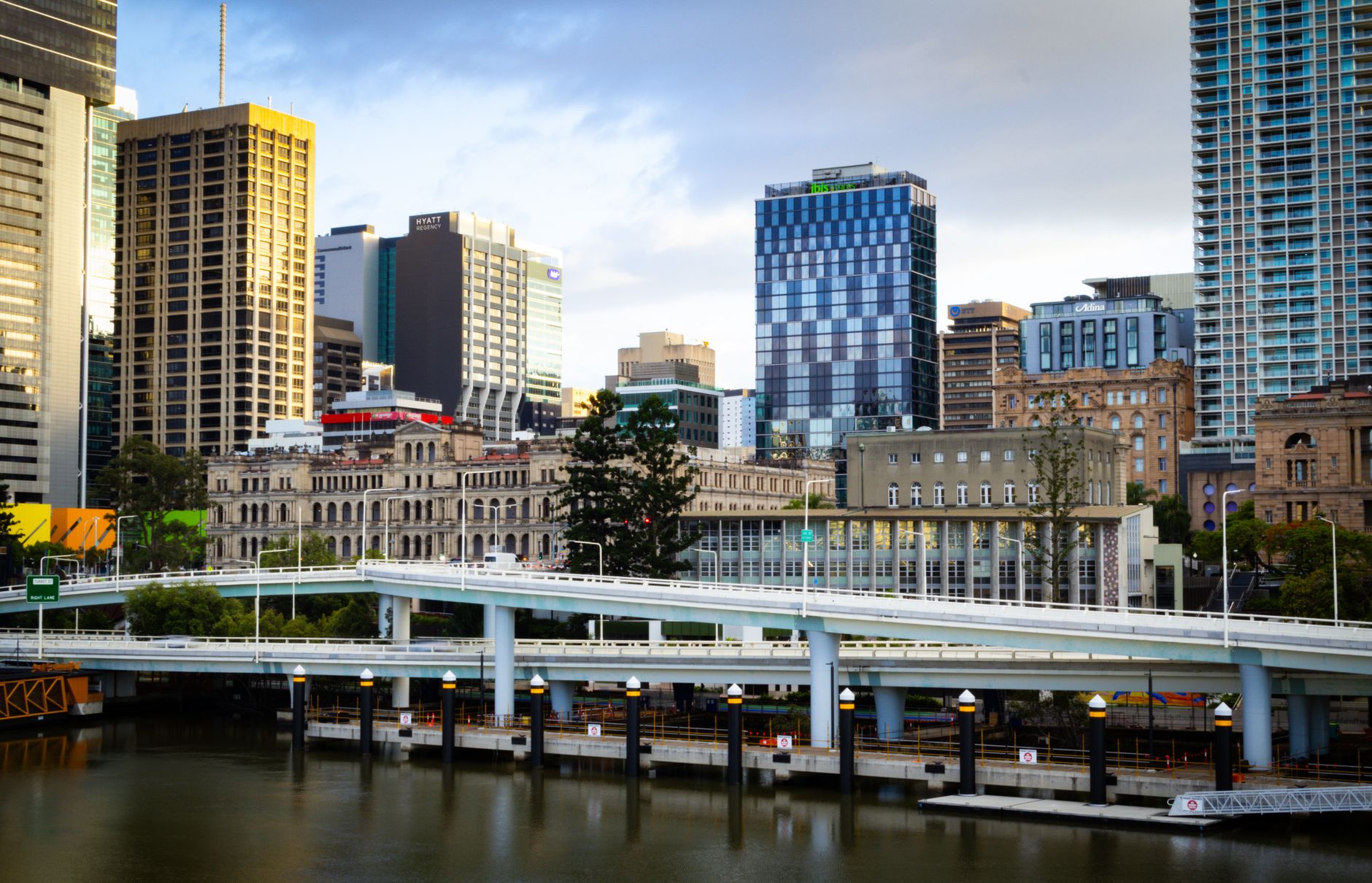
Walk through South Bank Parklands on any given evening and you'll see thousands of Brisbanians enjoying world-class galleries, theatres and public spaces. Few realise this 16-hectare cultural sanctuary emerged from the vision of a relatively small group of creatives who refused to accept Brisbane's reputation as a cultural backwater in the 1980s and 90s.
The transformation began with a radical idea: that the city's neglected riverside warehouses and industrial sites could become vessels for artistic expression. Before the Expo '88 site metamorphosis, before the Gallery of Modern Art opened its doors in 2006, before the Performing Arts Complex became synonymous with Brisbane's cultural calendar, there were the pioneers.
Local artist collectives and community organisers began occupying abandoned spaces along Grey Street and in Fortitude Valley during the mid-1980s. What started as guerrilla art installations and underground theatre productions in converted warehouse spaces evolved into a movement that captured the imagination of Brisbane's city planners. These early practitioners understood something fundamental: cultural identity isn't handed down from above—it's built by communities who claim spaces and make them their own.
The riverside precinct's success wasn't inevitable. It required sustained advocacy from organisations like the Brisbane City Council's Cultural Development Branch, working alongside artist-led initiatives that pushed for affordable studio spaces and public programming. The construction of the Queensland Museum and Sciencentre (opened 1992) and subsequent cultural institutions were underpinned by strategies developed during those scrappy warehouse years.
Today, South Bank generates an estimated $1.2 billion annually in economic activity, yet its cultural DNA remains rooted in that grassroots spirit. The precinct's success inspired similar transformations across Brisbane—from the revitalisation of Fortitude Valley's commercial corridors to the emergence of independent galleries dotting the West End and Paddington.
As Brisbane continues to evolve as a global city, with international events and investment reshaping our skyline, there's growing recognition that our cultural strength lies not in monuments but in the people and movements that create meaning in public spaces. The story of South Bank's pioneers serves as a reminder that cities are built by those willing to imagine alternatives to empty warehouses.
Brisbane's cultural identity—vibrant, democratic, forward-thinking—didn't emerge from planning documents alone. It emerged from artists who believed their city deserved better, and from a community that showed up to prove them right.
This article was compiled by AI from the sources linked above and screened before publishing. See our editorial standards.