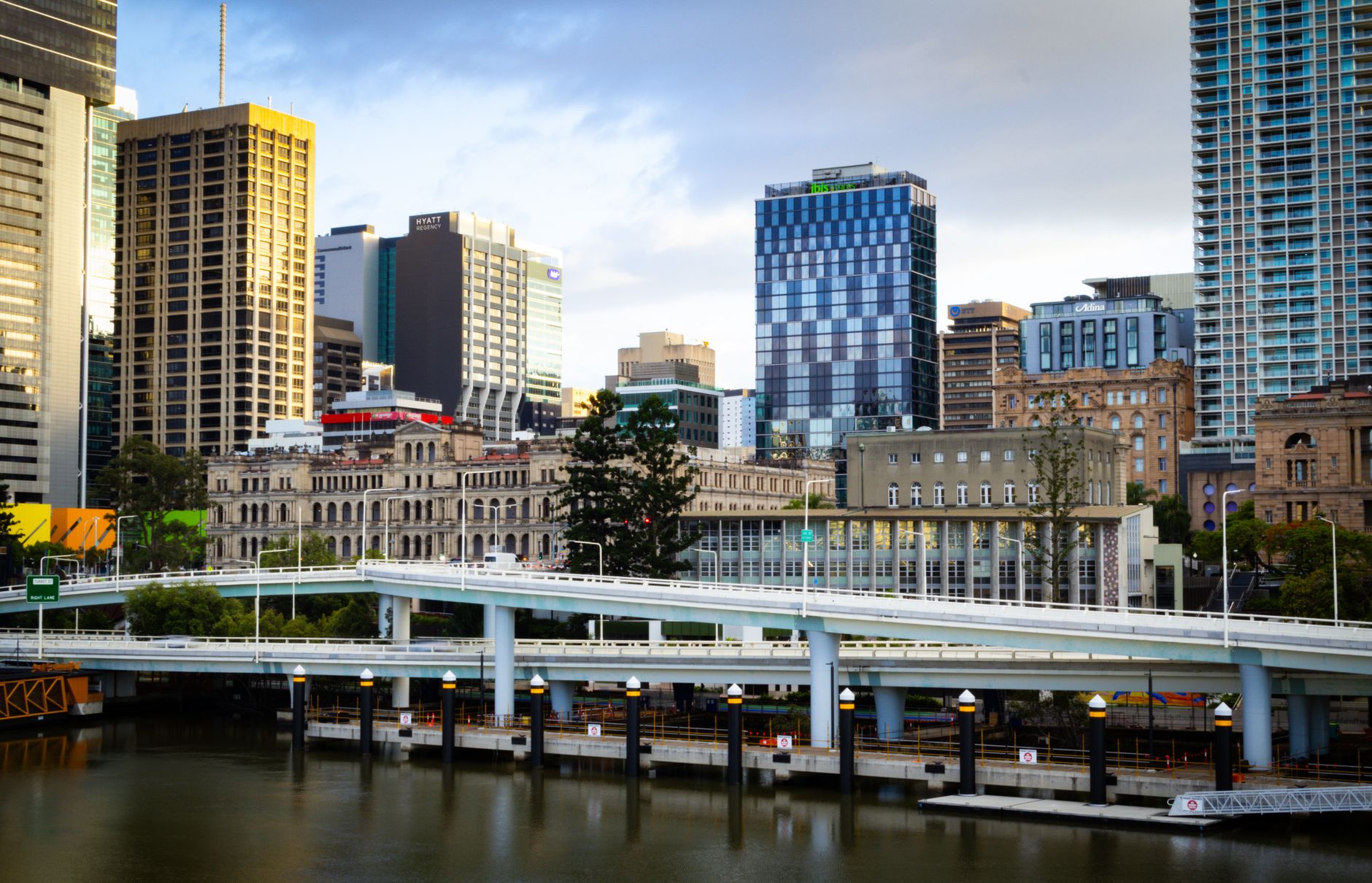
Walk through Brisbane's cultural precinct on any given Friday evening and you'll witness a city in creative flux. The Queensland Museum and Gallery of Modern Art continue to draw record audiences, but it's the proliferation of independent galleries across Fortitude Valley and New Farm that signals a fundamental shift in how Brisbane sees itself.
The numbers tell a compelling story. Gallery attendances across South Bank's museum quarter have grown 18 per cent year-on-year, while smaller independent spaces—from the artist-run collectives clustered around Burnley Street to emerging venues in the Valley's laneway network—are attracting younger, more diverse audiences. This isn't about tourist foot traffic. It's about Brisbanians claiming ownership of their cultural narrative.
What distinguishes Brisbane's current trajectory is the democratisation of access. While QAGOMA remains the cultural heavyweight with blockbuster exhibitions drawing international attention, the real innovation is happening in humbler spaces. The recent expansion of artist studios in Fortitude Valley's converted warehouses has created an ecosystem where emerging practitioners can exhibit, collaborate and build careers without waiting for institutional blessing. Monthly First Friday events have transformed the Valley's gallery quarter into a social and cultural destination, rivalling established arts precincts in Melbourne and Sydney.
This matters because cities are defined by who gets to tell their stories. For decades, Brisbane's cultural identity was curated top-down, filtered through major institutions. Today's gallery scene—from established names like Suzanne O'Connell Fine Art to emerging spaces punching above their weight—reflects Brisbane's actual diversity: Indigenous artists, Pacific Islander perspectives, Asian diaspora narratives, and experimental practices that wouldn't fit traditional museum frameworks.
The South Brisbane Arts Precinct remains the anchor, but it's no longer the whole story. The Gallery of Modern Art's $35 million expansion and the Museum's ongoing redevelopment speak to institutional ambition, yet they're now operating alongside a more horizontal, networked cultural ecosystem. This distribution of creative energy—across suburbs, price points and aesthetic sensibilities—is what's reshaping Brisbane's global profile.
The significance becomes clear when you consider competing narratives. Brisbane has spent decades positioning itself as Australia's emerging megacity, defined by growth metrics and infrastructure projects. Yet lasting cultural identity doesn't come from stadiums or precincts alone. It emerges from the conversations happening in galleries, the artists choosing to stay and build here, and audiences discovering their own stories reflected in exhibition spaces.
As June transitions to winter and the gallery calendar fills with ambitious programming, Brisbane isn't just hosting art anymore. It's claiming the authority to define what contemporary Australian culture looks like through its own lens.
This article was compiled by AI from the sources linked above and screened before publishing. See our editorial standards.