From Meat Pies to Michelin Dreams: How Brisbane's Restaurant Scene Reinvented Itself
Once dismissed as a sleepy provincial outpost, Brisbane's food culture has undergone a radical transformation over three decades—and the South Bank precinct is proof.
In the 1990s, Brisbane's dining landscape was remarkably predictable: steak houses on Fortitude Valley's Brunswick Street, Chinese takeaways in Chinatown, and the occasional Italian joint serving overcooked pasta to visiting miners. The city's restaurant culture was functional rather than celebrated, a place where people ate rather than dined. Few imagined that within a generation, Brisbane would rival Melbourne and Sydney for culinary credibility.
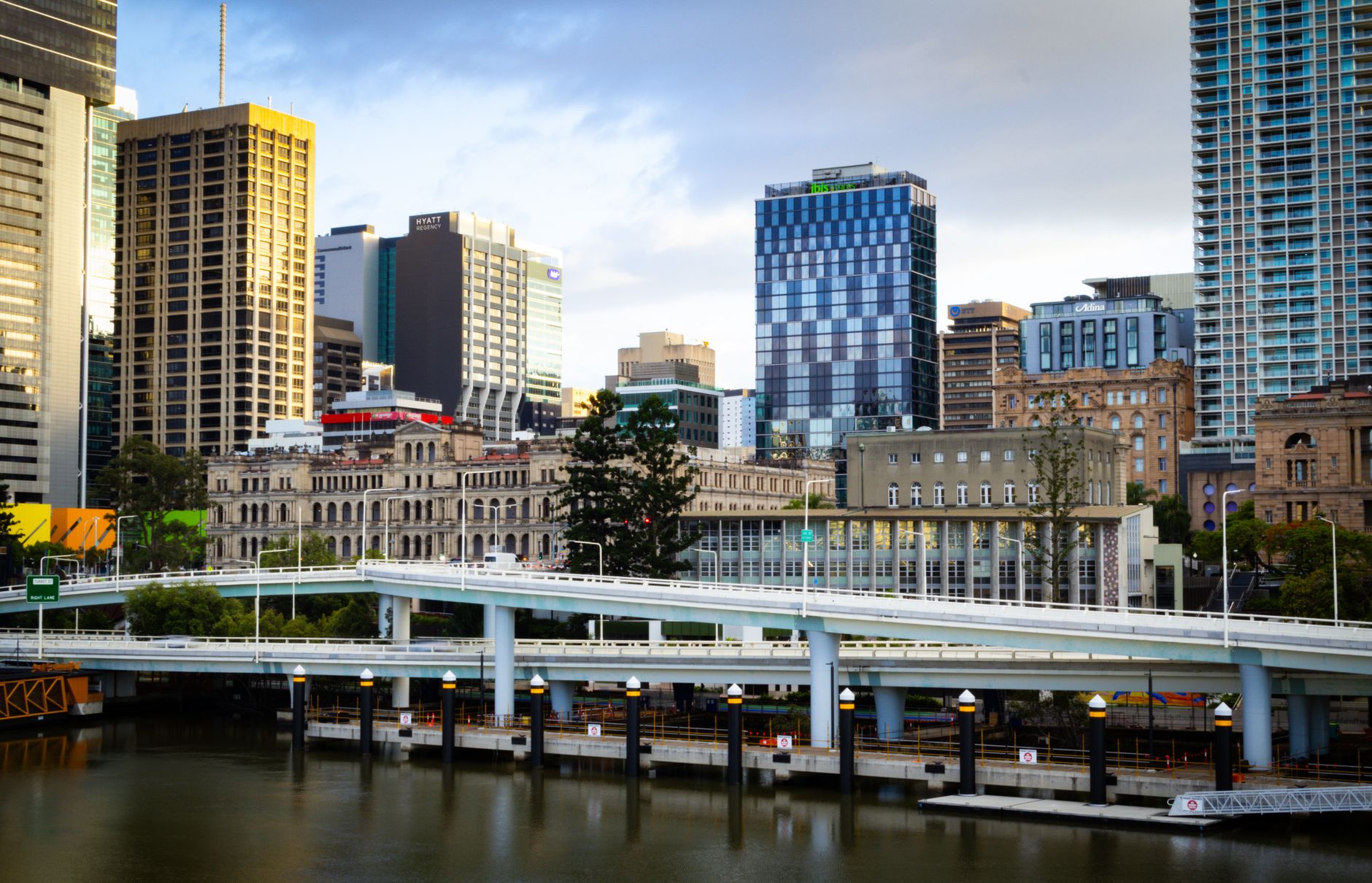
The turning point came with the 1988 World Expo site, which catalysed South Bank's transformation into a cultural precinct. While the initial offerings were modest, the infrastructure—riverside walkways, performance spaces, and room for expansion—attracted serious restaurateurs. By the early 2000s, Southbank had become Brisbane's gastronomic heart, drawing chefs who wanted to experiment beyond the conservative tastes of the CBD.
What followed was a cascading effect across neighbourhoods. West End, already bohemian and affordable, became a testing ground for independent operators. Venues like those along Boundary Street proved that Brisbane diners would embrace cuisines beyond the mainstream. The Valley reinvented itself, shedding its late-night reputation to become synonymous with laneway dining and craft culture. Even traditionally residential areas like Bulimba and Fortitude Valley's quieter corners began hosting fine-dining concepts that would have seemed unthinkable two decades earlier.
Data from the Queensland Hotel Association reflects this shift: the number of independent restaurants in Brisbane grew by over 60% between 2010 and 2023, far outpacing franchise establishments. Average spend per diner across the city rose from $25–35 in 2000 to $45–70 today, signalling both sophistication and confidence in local venues.
The emergence of food media and social platforms accelerated everything. Brisbane's restaurant scene became Instagram-worthy, shareable, and discussed. Local chefs earned national recognition, and visitors began arriving with specific dining itineraries rather than generic tourist-trap expectations.
Today's Brisbane food culture reflects the city itself: confident, multicultural, increasingly ambitious, yet retaining an unpretentious accessibility. The paddock-to-plate movement resonates here; Queensland's agricultural heartland remains close. Indigenous ingredients and First Nations perspectives are gaining overdue prominence. Climate, too, shapes the scene—outdoor dining is embedded in the DNA of venues across South Bank and beyond.
Three decades ago, few would have predicted Brisbane's restaurants would merit serious critical attention. Now, the question isn't whether Brisbane has a credible food scene. It's how far it will go.
This article was compiled by AI from the sources linked above and screened before publishing. See our editorial standards.
Daily Network
From the Daily Network
Related reporting from other cities in our network.