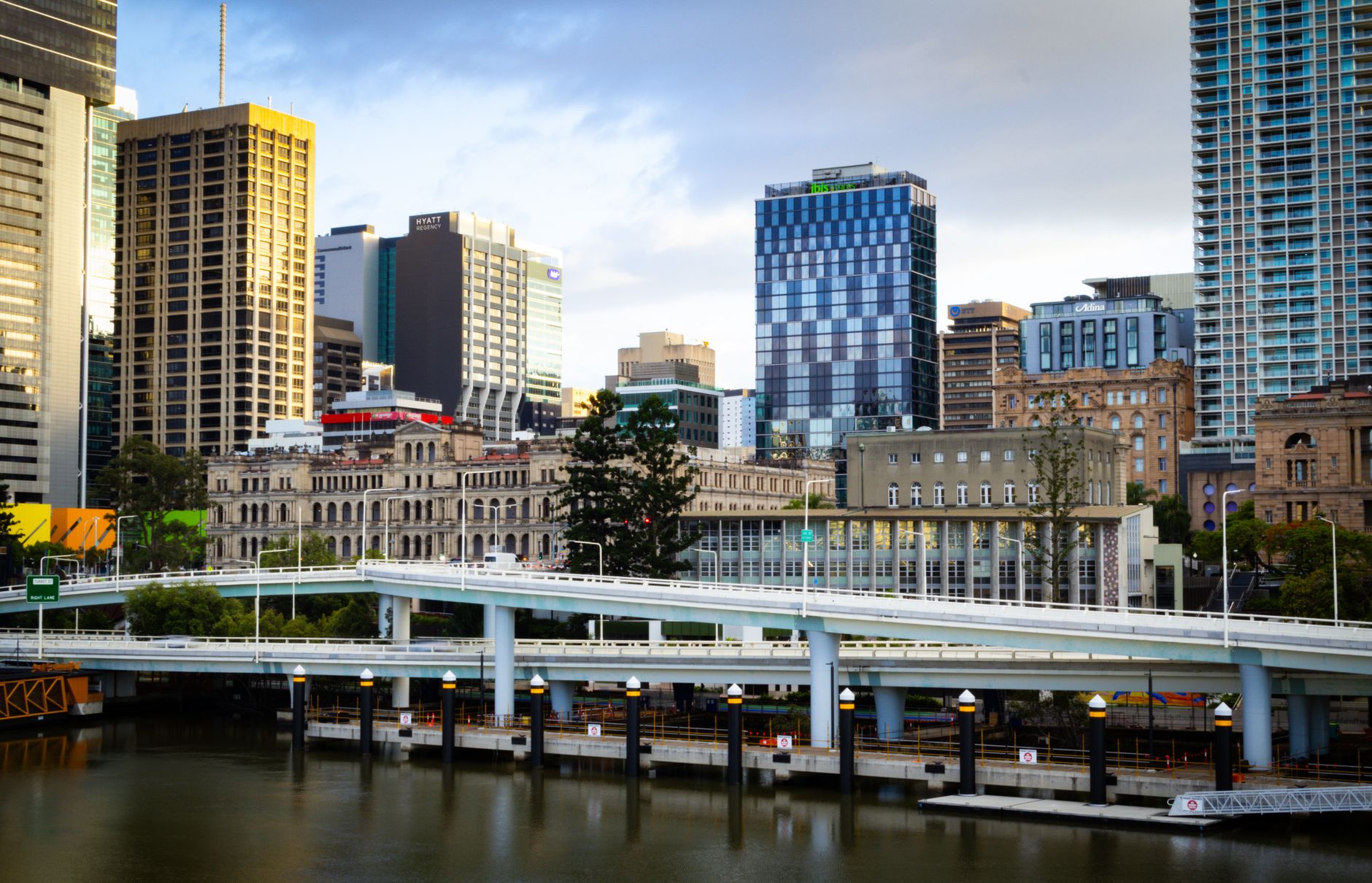
Walk down Constance Street in Fortitude Valley on a Friday night and you'll notice something has shifted. The pre-dinner queues aren't outside the established fine-dining temples anymore—they're spilling from smaller, nimbler venues where chefs are cooking with visible conviction and diners are elbowing up to kitchen counters.
This isn't nostalgia for gastropub culture. Brisbane's food community is experiencing a genuine recalibration, one that prioritises authenticity and accessibility over white-tablecloth formality. And locals are talking about it because it feels like a correction rather than a trend.
The numbers back the shift. Data from Hospitality Brisbane suggests that small bar and casual dining venues have seen a 23% increase in foot traffic over the past eighteen months, while traditional fine-dining establishments report a modest plateau. The average spend per head at neighbourhood restaurants has also climbed—to around $65-75 excluding drinks—suggesting diners are willing to pay premium prices for experience and quality, not just prestige.
What's driving this? Partly, it's generational. Millennials and Gen Z diners, now a significant chunk of Brisbane's dining demographic, have grown up with open kitchens and chef-driven storytelling as the default. They want to see their oysters shucked, their pasta rolled, their sauce reduced. The opaque hierarchy of traditional fine dining feels archaic by comparison.
But there's also a post-pandemic fatigue with overcomplicated tasting menus. The success of venues like those clustered around Burnett Lane—where chefs are doing remarkable work with seasonal Queensland produce in compact spaces—shows locals crave intimacy without sacrificing sophistication.
South Bank Precinct, meanwhile, has quietly become a testing ground for this new model. Newer openings here are deliberately rejecting the corporate polish of five years ago in favour of textural interiors, staff that know their suppliers by name, and wine lists built around small producers rather than trophy labels.
The economic dimension matters too. Rising rent in premium precincts means experienced chefs are increasingly opening smaller venues where overheads allow for better margins and more creative freedom. It's a virtuous circle: lower capacity means higher prices per cover, which attracts serious diners, which justifies the premium ingredients.
For Brisbane's culture calendar, this democratisation of excellence is significant. It means culinary authority is no longer concentrated in three or four marquee venues. It's distributed across the city—which, paradoxically, makes Brisbane feel like a more genuinely sophisticated food city than it did when such dining was more hierarchical.
This article was compiled by AI from the sources linked above and screened before publishing. See our editorial standards.