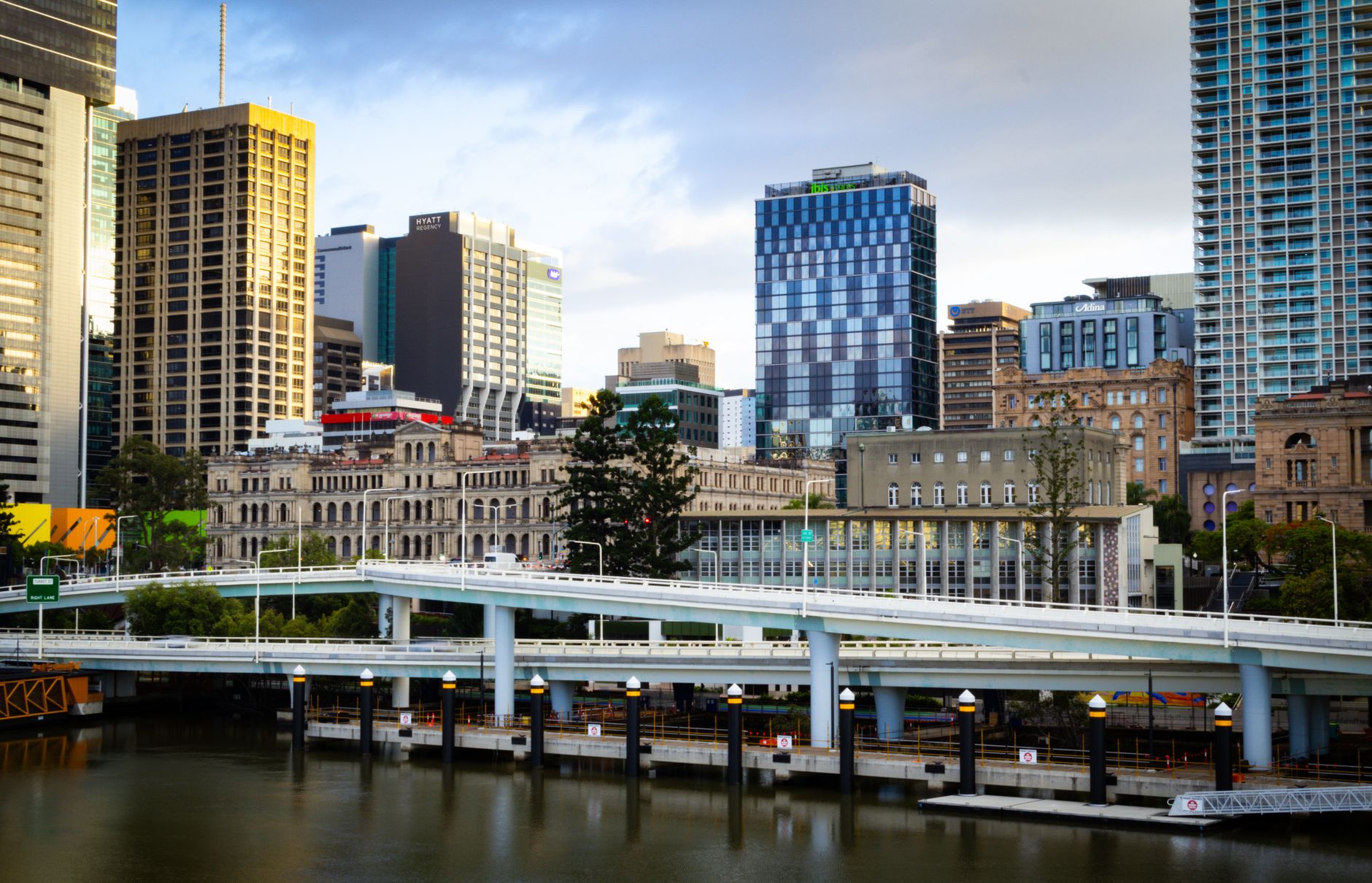
From bohemian studios to global stages: how Brisbane built a fashion design powerhouse
What began as a scrappy creative movement in Fortitude Valley has transformed into a recognised hub that rivals Sydney and Melbourne.
What began as a scrappy creative movement in Fortitude Valley has transformed into a recognised hub that rivals Sydney and Melbourne.
Two decades ago, Brisbane's fashion scene was largely invisible on the national radar. Young designers worked from converted warehouses in Fortitude Valley, their rent cheap enough to justify the risk, their ambitions often outpacing their resources. Today, the city hosts an estimated 1,200 fashion and design businesses, with creative industries contributing roughly $8 billion annually to Queensland's economy—a stunning reversal that reflects both local grit and global timing.
The turning point came around 2010, when a confluence of factors collided. Rent in Valley remained affordable compared to Sydney's Paddington or Melbourne's CBD, attracting migrant designers and art school graduates seeking space to experiment. The opening of the Judith Wright Centre of Contemporary Arts on James Street became a cultural anchor, while boutique retail strips along Brunswick Street and Edward Street began to showcase local talent alongside international brands.
Fashion Week Brisbane, first held in 2014, accelerated the shift from underground movement to legitimate industry. Now held annually at the Lone Pine Koala Sanctuary and various city venues, the event attracts emerging designers, established labels, and international buyers. The week generates roughly $15 million in economic activity and has become a launchpad for graduates from Queensland University of Technology's renowned design program, which counts several nationally recognised designers among its alumni.
What distinguishes Brisbane's evolution is its embrace of sustainability and ethical production. Unlike the fast-fashion dominated scenes of larger capitals, local designers have carved a niche around slow fashion, zero-waste production, and Indigenous collaboration. The Fortitude Valley Precinct now hosts over 40 independent fashion labels, many explicitly marketing their environmental credentials alongside aesthetic innovation.
The infrastructure has matured too. Institutions like the Australian Fashion Council's Brisbane chapter provide mentorship and market access, while shared studio spaces in Paddington and South Brisbane offer affordable entry points for emerging practitioners. The Brisbane Design Centre, established in 2019, functions as both gallery and business incubator, subsidising studio rent for selected designers at rates around $600 monthly—roughly half commercial rates.
Today, Brisbane designers compete internationally. The city's warm climate has fostered a distinctive aesthetic: relaxed silhouettes, vibrant natural dyes, and an irreverent attitude toward fashion convention. What was once a liability—being geographically distant from Sydney's gatekeepers—has become an asset: creative freedom born from distance.
From warehouse studios to catwalk recognition, Brisbane's fashion journey reflects a broader truth about creative cities: they're built gradually, by artists willing to work cheaply in unfashionable spaces, until suddenly they're not unfashionable anymore.
This article was compiled by AI from the sources linked above and screened before publishing. See our editorial standards.
Daily Network
About this article
Published by The Daily Brisbane
Daily brief
Free, in your inbox before 7am. Weekdays.
More from The Daily Brisbane