Brisbane's Next Wave: Young Voices Are Rewriting the City's Cultural Identity
A generation of emerging artists, writers and historians are reshaping how Brisbane understands its past—and imagining its future.
A generation of emerging artists, writers and historians are reshaping how Brisbane understands its past—and imagining its future.
Brisbane's cultural institutions have a problem. Their audiences are ageing, their collections feel static, and their narratives about what the city is and has been no longer match how younger residents actually experience the place. Now a cohort of artists, writers and heritage workers in their twenties and thirties are moving in to fill that gap, interrogating official histories and creating new frameworks for understanding local identity.
The shift matters because heritage is no longer simply custodial work conducted by academics in climate-controlled rooms. In 2026, it's becoming activist territory. Brisbane's younger cultural workers are asking different questions than their predecessors: not just "what happened here?" but "whose story got left out?" and "what does this place mean to me and my community?" The answers they're generating are spilling into galleries, bookshops, podcasts and community projects across South Brisbane and the inner west.
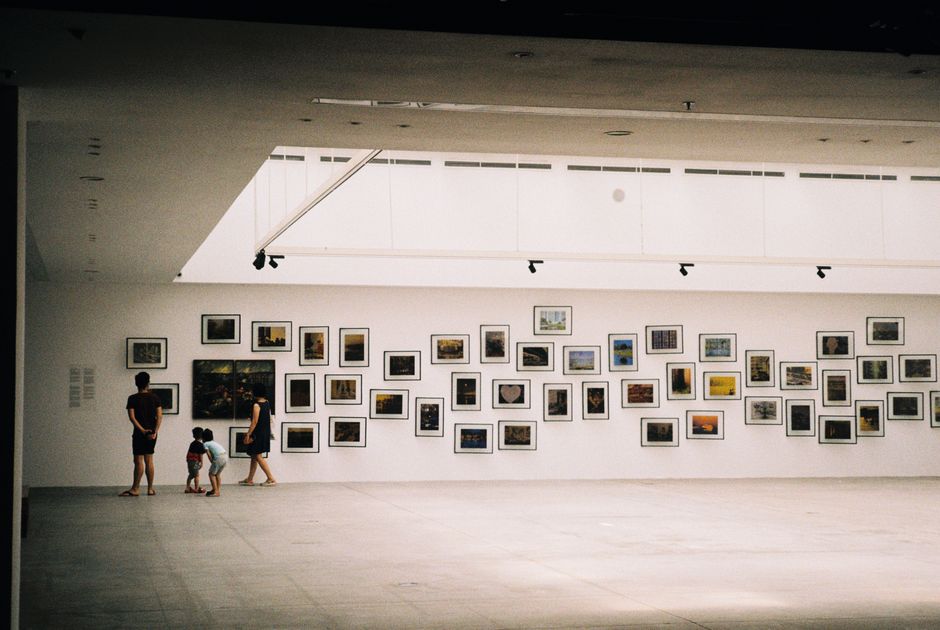
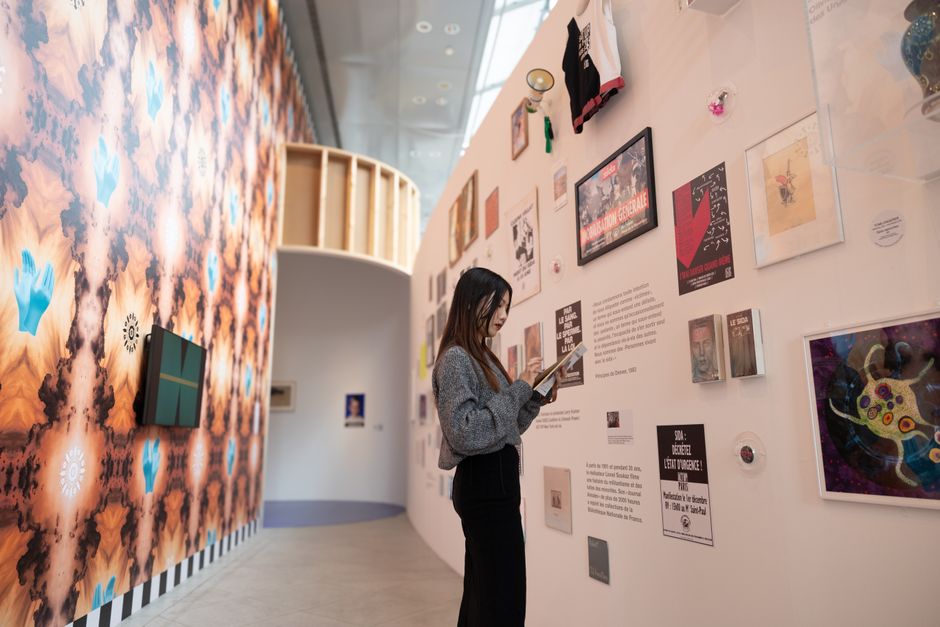
The Fortitude Valley precinct has become the informal hub for this activity. At Falkland Gallery on Wickham Street, emerging artists are mounting shows that interrogate Queensland's colonial past through contemporary lenses. Meanwhile, independent publisher Moshpit Press—operating from a modest office in Valley—has launched a series of chapbooks by writers under 35 exploring regional Queensland history through personal memoir and experimental forms. The publication run of their spring collection sold out within six weeks.
South Brisbane's State Library of Queensland has been quietly cultivating this constituency too. Their Heritage Stories program, launched in 2024, funds writers and artists to produce new works drawing on the library's collections. Four of the six funded projects last year were helmed by creators under 30. One project, by emerging historian Liam Chen, examined the architecture and social history of the defunct Cloudland ballroom—a site many Brisbane residents didn't even know existed until his oral history podcast began circulating.
Anecdotal interest is beginning to show measurable patterns. The SLQ's visitor numbers for research sessions in heritage collections jumped 23 percent between 2024 and 2025, with the largest growth among visitors aged 18-35. That demographic was essentially flat for the preceding decade.
What distinguishes this emerging generation from previous cohorts isn't just age. It's their comfort with multiplicity and contradiction. Rather than producing singular authoritative histories, they're interested in layered narratives, collaborative research, and work that lives across mediums. A 28-year-old artist might produce a photobook about shifting demographics in West End while simultaneously running an Instagram account archiving local oral histories. A 31-year-old writer might publish fiction inspired by her grandmother's migration from rural Queensland to suburban Brisbane while volunteering at the Bowen Hills Community Heritage Group.
That last organisation has become crucial infrastructure for this work. The group, which operates from a volunteer-run office on Gregory Terrace, has seen membership under 40 treble since 2023. They've shifted from being primarily focused on building preservation to actively documenting neighbourhood stories before gentrification erases them. Their 2025 oral history project captured 47 interviews with long-term residents whose families arrived in Brisbane between the 1960s and 1980s.
The work doesn't always find immediate mainstream institutional support. Galleries owned by larger arts organisations often remain cautious about work that challenges established narratives about Brisbane's identity. But younger curators and cultural workers are sidesteping those gatekeepers entirely, mounting shows in bookshops, community centers and artist-run spaces where the conversation can stay messier and more honest.
For anyone wanting to track this emerging wave, start with the indie publishers operating from the Valley and South Bank. Attend the monthly heritage forums SLQ runs on Thursday evenings at 6.30pm—they're open to the public and increasingly packed with under-35s workshopping new projects. And watch the Fortitude Valley gallery openings; something genuinely fresh is happening there, work that refuses to treat Brisbane's past as museum piece rather than living, contested, evolving thing.
Advertise
Reach thousands of Brisbane readers daily. Contact us at hello@dailybrisbane.com.au to advertise.
Get in touch →Daily Network
About this article
Published by The Daily Brisbane
Daily brief
Free, in your inbox before 7am. Weekdays.
More from The Daily Brisbane