Brisbane's heritage quarter faces reckoning as developers circle the city's creative past
South Bank and Fortitude Valley built their reputations on bohemian grit. Now preservation battles reveal how the city negotiates between memory and profit.
South Bank and Fortitude Valley built their reputations on bohemian grit. Now preservation battles reveal how the city negotiates between memory and profit.
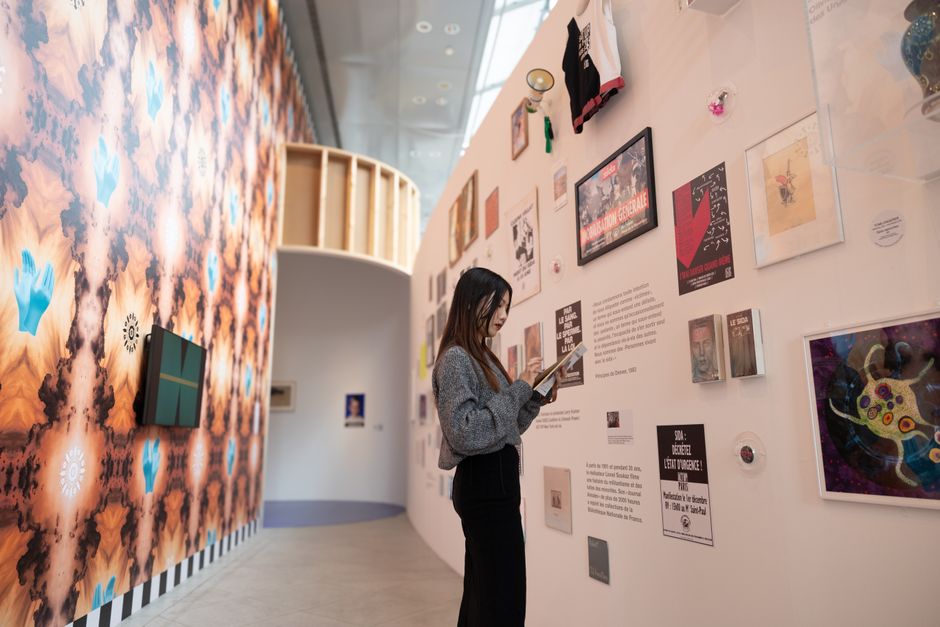
Brisbane's cultural identity hangs in the balance. Three decades after the 1988 Expo transformed South Bank into a cultural precinct, and two decades after Fortitude Valley emerged from industrial decay as an arts hub, the city confronts a harder question: what happens when heritage becomes expensive real estate?
The timing matters. Property values across Brisbane have softened this year, yet heritage precincts remain magnets for development. The Queensland Heritage Council's registry lists 447 places in the city with formal protection status, but enforcement remains patchy. Developers routinely lodge applications to redevelop protected sites, banking on council fatigue or planning appeals. When heritage properties occupy premium land—particularly in Valley and South Bank—the financial incentive to demolish or radically alter becomes acute.
Take the Judith Wright Centre of Contemporary Arts on Fortitude Valley's Brunswick Street. The venue has operated since 1989 from a heritage-listed warehouse, hosting experimental theatre, visual arts, and community workshops. The building itself, constructed in the 1920s as a garment factory, carries the architectural DNA of Valley's industrial past. Yet the surrounding blocks have transformed dramatically. A single apartment in renovated colonial warehouses now sells for upward of $650,000. The pressure to convert the Judith Wright Centre into residential or hospitality space is not hypothetical—it's a permanent fixture of the development landscape.
The South Bank Parklands tell a different story but reach the same impasse. The 16-hectare cultural precinct—anchored by the Queensland Museum, State Library, and Gallery of Modern Art—remains publicly owned, insulating it from immediate demolition threats. Yet its cultural programming has subtly shifted. Visitor numbers peaked at 12.8 million annually in 2015 and have stabilised around 9 million. The parklands function less as an experimental cultural laboratory than as a civic gathering space. Compare that to the late 1990s, when South Bank hosted avant-garde theatre companies, independent galleries, and artist collectives that defined Brisbane's emerging identity.
Heritage preservation in Brisbane has always been personality-dependent. The National Trust Queensland maintains a volunteer-run heritage register, but enforcement depends on planning appeals and council discretion. Only 447 properties have statutory protection—a fraction of Brisbane's historically significant built environment. Many more exist unprotected, vulnerable to redevelopment or neglect. The Trust's annual budget hovers around $2 million, stretched thin across the entire state.
Local historians and arts workers describe a creeping homogenisation. Fortitude Valley's warehouse conversions follow predictable templates: exposed brick, polished concrete, premium coffee. The bohemian edge that attracted artists in the 1990s—cheap rent, minimal regulation, proximity to institutions—has evaporated. Young artists now drift toward outer suburbs like Toowong or Newstead, seeking affordability. The Valley becomes a performance of grittiness rather than an actual working arts precinct.
Brisbane City Council has commissioned heritage audits multiple times. The most recent comprehensive survey, completed in 2021, identified hundreds of unprotected buildings of cultural and architectural significance. Few gained protection as a result. Political will to restrict development—particularly on high-value land—remains weak. Councillors balancing heritage concerns against rate revenue and development approval timelines consistently choose the latter.
Community groups now organise independently. The Fortitude Valley Community Association and local arts collectives have begun documenting buildings at risk, creating public inventories before demolition occurs. The Australian Institute of Architects runs advocacy campaigns for heritage-sensitive redevelopment. These efforts generate public awareness but lack statutory force.
What happens next depends on whether Brisbane's council recognises heritage as infrastructure rather than impediment. Expanding the Heritage Council's authority, funding community-led preservation efforts, and creating incentives for adaptive reuse of heritage buildings would signal genuine commitment. Without intervention, Brisbane's cultural identity will continue dissolving into the developer's template: sleek, profitable, and fundamentally interchangeable with every other Australian city.
Advertise
Reach thousands of Brisbane readers daily. Contact us at hello@dailybrisbane.com.au to advertise.
Get in touch →Daily Network
About this article
Published by The Daily Brisbane
Daily brief
Free, in your inbox before 7am. Weekdays.
More from The Daily Brisbane