Gold hit US$4,187 an ounce on Thursday, up 4.1 per cent in a single session, and the headline number is hard to ignore. But for Brisbane investors, particularly those with exposure through Australian Retirement Trust's diversified options or direct ASX holdings in the resources sector, the more consequential story is unfolding one layer down, in the critical minerals and lithium complex that underpins the global energy transition. The ASX 200 closed at 8,844, up 0.92 per cent, with materials stocks among the session's better performers as the Australian dollar climbed to US69.43 cents, its strongest print in months.
Gold's surge carries its own message. When bullion moves that sharply in a single day, it typically signals something uncomfortable, whether that is renewed concern about sovereign debt levels in the United States, dollar weakness, or geopolitical noise. All three are present right now. WTI crude fell 2.78 per cent to US$68.78 a barrel, which tells a different story: demand expectations for traditional energy are softening. That divergence, hard commodities rising while oil slips, is exactly the environment where the critical minerals thesis tends to attract fresh institutional money.
Lithium is the name that divides opinion more sharply than almost any other commodity on the ASX. After a brutal two-year correction from the 2022 peak, spot lithium carbonate prices have been trying to stabilise, though they remain well below levels that made producers look like printing presses four years ago. Companies including Pilbara Minerals, listed on the ASX and headquartered in Perth, and Liontown Resources have been navigating a market where oversupply from Chinese converters weighed heavily on margins. Neither name has recovered its former glory, but institutional positioning has quietly shifted. Several large superannuation funds began rebuilding exposure to the sector in the first half of 2026, betting that the demand curve from electric vehicle uptake, grid-scale battery storage and defence applications will eventually overwhelm the supply glut.
The Structural Case Hasn't Changed, Even If the Price Has
Australia holds the world's largest lithium reserves, concentrated in Western Australia's Pilbara region, and that fact has not changed regardless of what happened to spodumene prices in 2024 and 2025. What has changed is the policy environment. The Albanese government's Future Made in Australia framework, announced in the 2024 federal budget and extended in subsequent fiscal packages, directs capital toward domestic processing of critical minerals rather than simply shipping raw material offshore. That processing ambition, if it materialises at scale, would shift the value-add calculation substantially for Australian producers and, by extension, for investors in them.
For Queensland specifically, the exposure is less direct than West Australia but it is real. The state's resources sector tilts toward coal and gas, but the Bowen Basin and parts of north Queensland host cobalt and rare earth deposits that have attracted exploration licences in recent years. Queensland Pacific Metals, a Brisbane-based company pursuing a nickel-cobalt project at Townsville using New Caledonian ore, remains one of the more watched names among local sophisticated investors, though it has faced its own financing and regulatory hurdles. The 2032 Brisbane Olympics infrastructure pipeline is meanwhile pulling construction materials demand higher, which is lifting the broader case for industrial inputs across the Queensland economy.
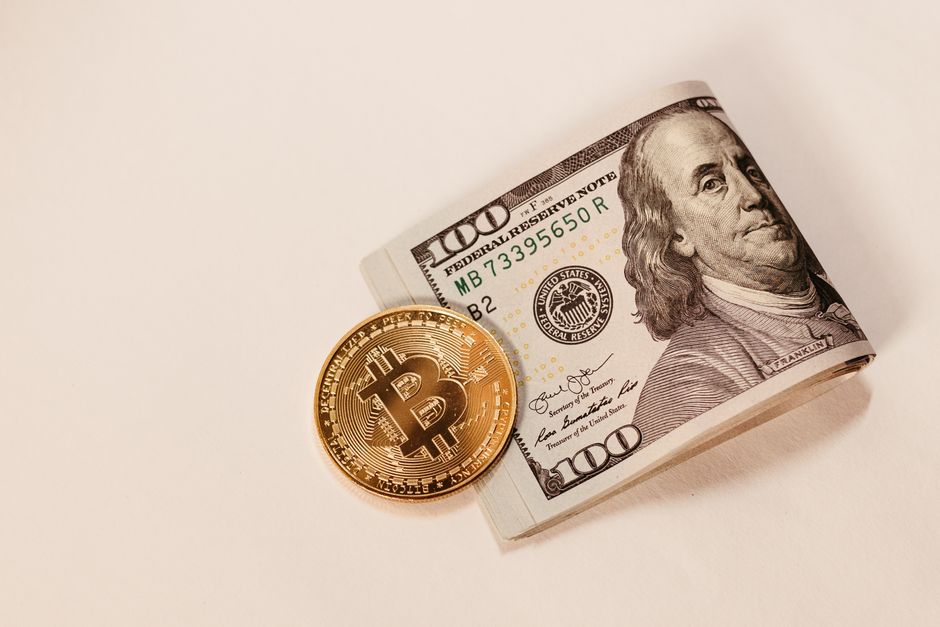
Bitcoin's 4.28 per cent rise to US$62,714 on the same day gold jumped is worth noting in the context of the minerals story, not because digital assets and lithium are the same trade, but because both moved in the same direction as the S&P 500 climbed 1.71 per cent to 7,483. That kind of correlated risk-on move, where gold, crypto and equities all advance together, usually reflects a weaker US dollar environment. A softer greenback historically supports commodity prices denominated in dollars, which provides a secondary tailwind for Australian exporters receiving USD revenue and reporting in a rising Australian dollar, a currency dynamic that cuts margins but signals improving global risk appetite.
The practical implication for Brisbane investors reviewing their superannuation quarterly statements this month is straightforward. If your balanced or growth option holds ASX resources exposure, this week's moves are a modest positive. If you hold direct shares in lithium producers, the structural argument remains intact but the timing of price recovery is still genuinely uncertain. Analysts who called the lithium bottom in late 2025 have been partially right on sentiment and partially wrong on price; the commodity has moved sideways rather than sharply higher. What the gold move on Thursday does confirm is that the broader commodities complex still has institutional believers, and when the cycle turns in lithium, it tends to turn fast.