Gold surge, rising equities and Olympic infrastructure: Brisbane investors are cashing in on a rare convergence
A 4.1 per cent spike in gold prices, a buoyant ASX 200 and six years of 2032 Games construction spending are opening a window of opportunity that some Brisbane investors are already moving through.
Gold punched through to US$4,187 an ounce on Thursday, a single-session gain of 4.1 per cent that sent tremors through currency desks and superannuation offices alike. That move did not happen in isolation. The ASX 200 closed at 8,844, up 0.92 per cent, while Wall Street's S&P 500 lifted 1.71 per cent to 7,483 and the Nasdaq added 1.87 per cent to reach 25,833. The Australian dollar firmed to 69.43 US cents, its best level in weeks. For Brisbane investors, whose portfolios tend to lean heavily toward resources, energy and construction, Thursday was not merely a good day. It was a signal.
The gold rally is the headline number, but the story behind it matters more for Queensland readers. Bullion at these levels lifts the earnings outlook for ASX-listed gold producers almost immediately, since most report and sell in Australian dollars. A stronger local currency partially offsets that tailwind, but with the AUD still well below 70 US cents, the economics remain compelling for producers with Australian operating costs. Australian Retirement Trust, which manages superannuation for more than 2.4 million members and is headquartered in Brisbane's CBD, holds meaningful exposure to domestic resources equities across its diversified and high-growth options. Members checking their balances this week are seeing the benefit of that positioning.
Oil told a different story. WTI crude slipped to US$68.78 a barrel, down 2.78 per cent, as demand concerns continued to weigh on energy markets. That is a complicating factor for Queensland's LNG-exposed stocks, which generate revenue partly linked to oil price benchmarks. The divergence between gold's surge and crude's retreat reflects a broader market narrative: investors are rotating toward hard assets perceived as stores of value while questioning the near-term outlook for energy demand. For Brisbane-listed energy companies and the workers, contractors and shareholders connected to them, the crude weakness is worth monitoring.
The Olympic pipeline and who is already positioned
Beyond the daily price action, a structural opportunity is building in south-east Queensland that has nothing to do with commodity cycles. The 2032 Brisbane Olympic and Paralympic Games are driving a sustained construction and infrastructure programme that stretches well beyond the opening ceremony. The Cross River Rail project, the Gabba precinct redevelopment and upgrades across venues from the Sunshine Coast to the Gold Coast represent billions in committed public spending. Property developers, civil contractors and materials suppliers with Queensland exposure have been quietly accumulating project pipelines for 18 months. The value of that positioning is becoming clearer as other parts of the Australian property market cool. CoreLogic data has shown slowing price growth and hesitant first-home buyer participation nationally, but inner Brisbane and key Olympic corridor suburbs are holding firmer than the national average, supported by infrastructure-led demand and interstate migration that has continued to flow into south-east Queensland.
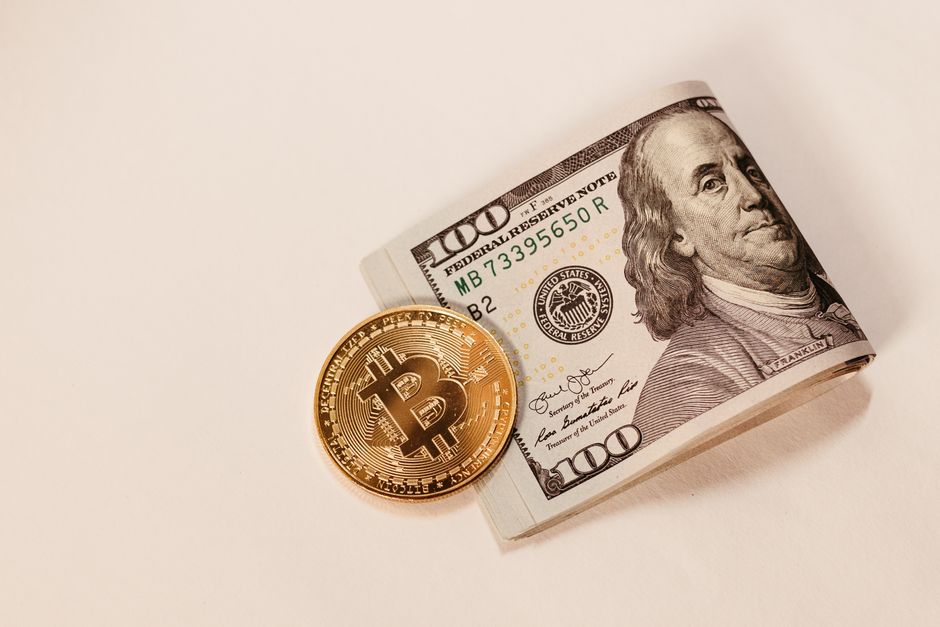
Bitcoin added 4.02 per cent to reach US$62,556 on Thursday, a move that generated attention but is harder to connect directly to Brisbane's economic fabric. The more relevant digital-economy angle for local investors is the broader tech sector strength in the United States, which helped drive the Nasdaq's nearly 1.9 per cent gain overnight. Australian technology and financial services companies listed on the ASX have benefited from that sentiment lift, and the effect feeds through to the diversified superannuation funds that dominate retirement savings in this city.
For Brisbane households carrying mortgages, the AUD's recovery to 69.43 US cents is a useful signal, even if its direct impact on the Reserve Bank of Australia's rate decisions is indirect. A firmer currency reduces imported inflation pressure, which is one ingredient in any future easing cycle. Market pricing for RBA cuts has shifted over recent months, and while the central bank has not moved rates since its last adjustment, the direction of travel embedded in futures markets points toward relief for variable-rate borrowers before the year is out. That would ease pressure on Brisbane households sitting on the median dwelling price, which remains elevated in the city's inner ring.
The convergence of a gold surge, a broadly rising equity market and a six-year infrastructure spending wave is not something Brisbane investors encounter every cycle. Resources exposure is paying off today. Construction and property exposure tied to the 2032 Games pipeline is paying off across a longer horizon. The risk, as always, is that commodities reverse and infrastructure timelines slip. But Thursday's market snapshot offered little to argue with. Those already positioned are ahead. Those still deciding have a narrower window than they did six months ago.