Cost of living in Brisbane: what you need to know in 2026
The Olympic city is getting more expensive — but it's still the value proposition of the east coast.
The Olympic city is getting more expensive — but it's still the value proposition of the east coast.
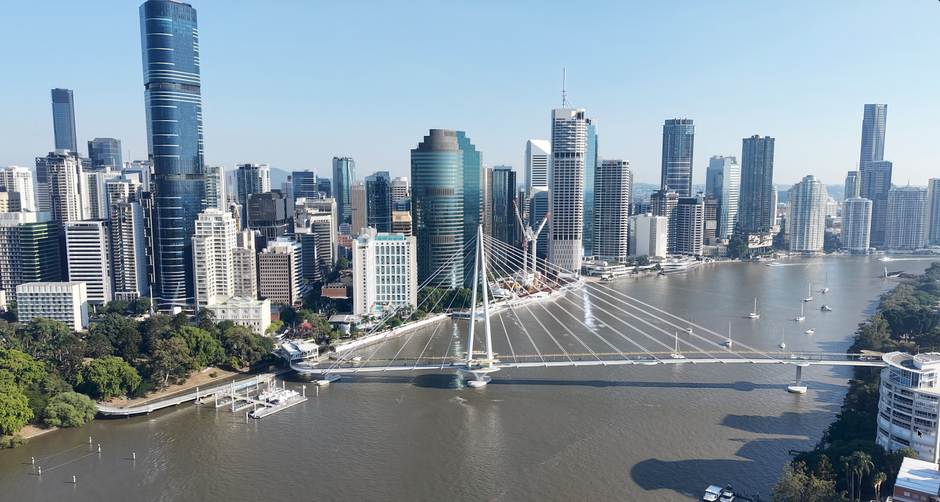
Brisbane's cost of living has risen substantially in the past five years as interstate migration has driven demand for housing and services, but the city retains a meaningful cost advantage over Sydney and Melbourne that continues to attract the southern migrants who have been reshaping the Queensland capital since the pandemic.
Brisbane's median house price has risen to $920,000 following the pandemic migration surge, a figure that surprised observers who remember Brisbane as a discount alternative to Sydney and Melbourne. The inner suburbs — New Farm, West End, Paddington, Teneriffe — now trade at $1.2 million to $2 million for houses. The outer ring (Logan, Ipswich, Redcliffe) offers houses in the $500,000-$650,000 range. Renting in the inner city runs $600-$850 per week for a two-bedroom apartment.
Grocery prices are approximately 4-5 per cent above the national average — below Sydney and Melbourne. Brisbane's restaurant scene has improved dramatically and prices have risen accordingly: a quality dinner for two with wine in Fortitude Valley or West End typically runs $110-$160.
The go card transport network covers trains, buses, and ferries with the daily cap of $12.40 that makes public transport cost-effective for regular users. Brisbane's road network is more manageable than Sydney or Melbourne's, with commute times that many southern migrants describe as one of the primary quality-of-life improvements after relocation.
Brisbane's sub-tropical climate reduces energy costs (no heating bill), outdoor entertaining costs (weather-appropriate socialising replaces expensive indoor venues), and the general cost of the lifestyle activities that make a city liveable. This "climate dividend" is real and is one of the considerations that Brisbane's population modelling has identified as a driver of continued migration to the city.
For households earning $120,000-$160,000 combined, Brisbane represents the best value capital city in Australia's east coast triangle. The cost advantage over Sydney is still meaningful; the lifestyle advantage over Melbourne's winters is real; and the Olympic investment is beginning to be visible in the city's infrastructure and cultural confidence.
This article was compiled by AI from the sources linked above and screened before publishing. See our editorial standards.
Daily Network
About this article
Published by The Daily Brisbane
Daily brief
Free, in your inbox before 7am. Weekdays.
More from The Daily Brisbane