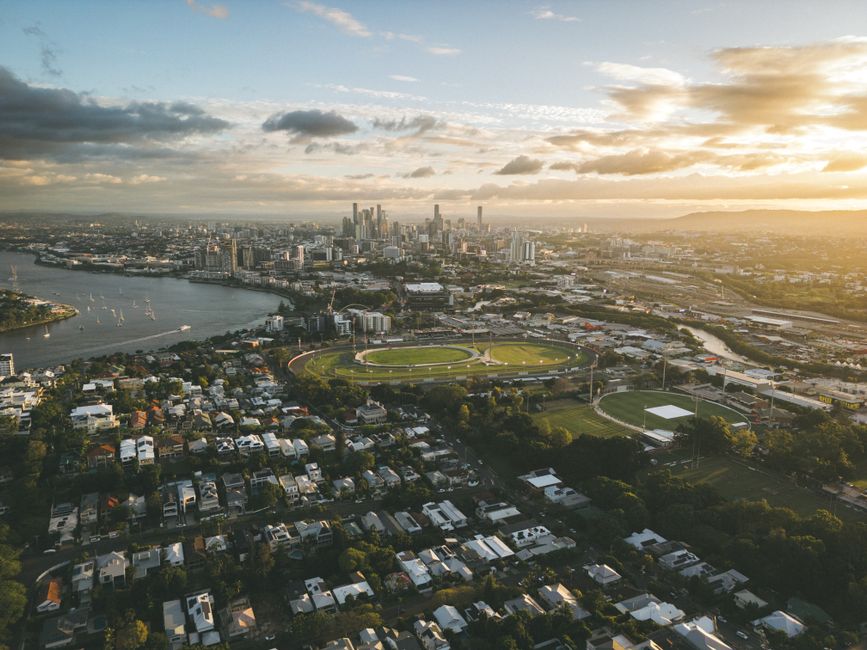
Why Brisbane Parents Are Falling Back in Love With the City's Schools and Family Life
A surge in new facilities, flexible learning options and community-first initiatives is transforming childhood in Queensland's capital.
A surge in new facilities, flexible learning options and community-first initiatives is transforming childhood in Queensland's capital.
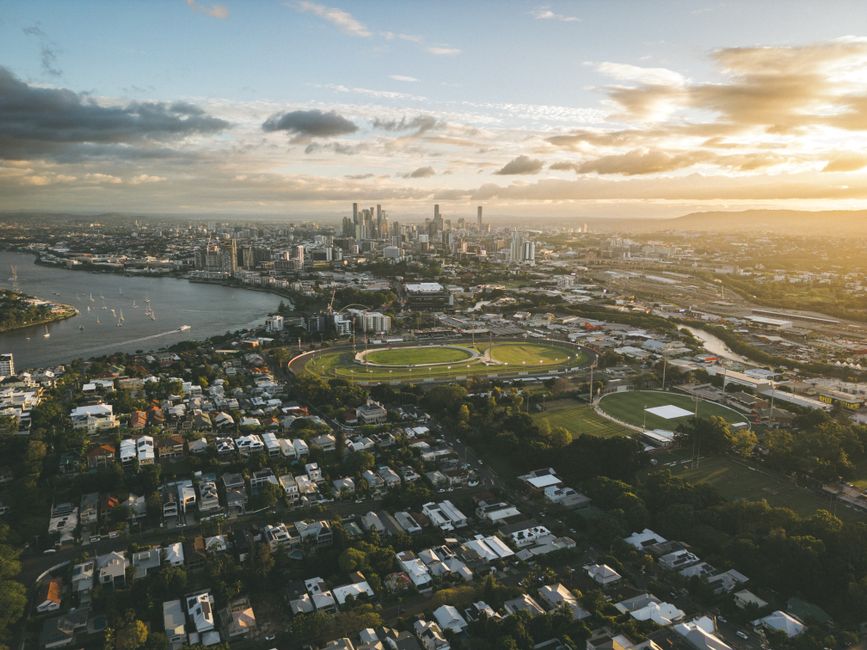
Ask any parent who's raised kids in Brisbane over the past five years, and they'll tell you something fundamental has shifted. The city that was once seen as playing catch-up to Sydney and Melbourne in terms of family-friendly infrastructure has quietly become a genuine destination for young families seeking quality schooling and connected community life.
The transformation is tangible. Last year saw the opening of three new state-of-the-art primary schools across the northern suburbs, with West End and Fortitude Valley attracting a wave of independent and progressive schools offering everything from Montessori to STEM-focused curricula. Enrolments at Brisbane's non-traditional education providers have jumped 23 per cent since 2024, according to the Queensland Independent Schools Association, signalling parents are voting with their feet for alternatives to the traditional model.
But the real game-changer hasn't been facilities alone. It's the ecosystem now built around family life in the inner city. South Bank's expansion of its early childhood centres, coupled with the creation of dedicated parent spaces in New Farm Park and along the Brisbane River precinct, means families no longer feel they're sacrificing urban living for child-rearing. The revamped Newstead House grounds now features a purpose-built playground and parent gathering space that has become a genuine hub.
"We're seeing parents choose to stay in Brisbane rather than relocate to Sydney," says the director of a prominent local parent advocacy network. "That wasn't the conversation five years ago." The affordability factor matters too—median private school fees in Brisbane remain roughly 15-20 per cent lower than comparable institutions in New South Wales.
The shift has also driven innovation in how schools engage with parents. Flexible work arrangements, popularised during and after the pandemic, have made Brisbane's more collaborative school communities genuinely accessible. PTA involvement at Woolloongabba and Kangaroo Point schools has exploded, with parent-led initiatives now driving everything from sustainable garden programs to mentorship networks.
Perhaps most importantly, Brisbane's family cohort has matured. Young professionals who might once have viewed the city as a stepping stone are now putting down roots, buying homes in suburbs like Bardon and Bulimba, and investing in their children's education as part of a long-term commitment to place.
For Brisbane's schools and the families within them, the message is clear: the city isn't just keeping up anymore. It's leading.
This article was compiled by AI and screened before publishing. See our editorial standards.
Sponsored
Lorem ipsum dolor sit amet, consectetur adipiscing elit. Reach engaged Brisbane readers with sponsored placements that look and feel like the rest of the paper.
Become a partner →Daily Network
About this article
Published by The Daily Brisbane
Daily brief
Free, in your inbox before 7am. Weekdays.
More from The Daily Brisbane