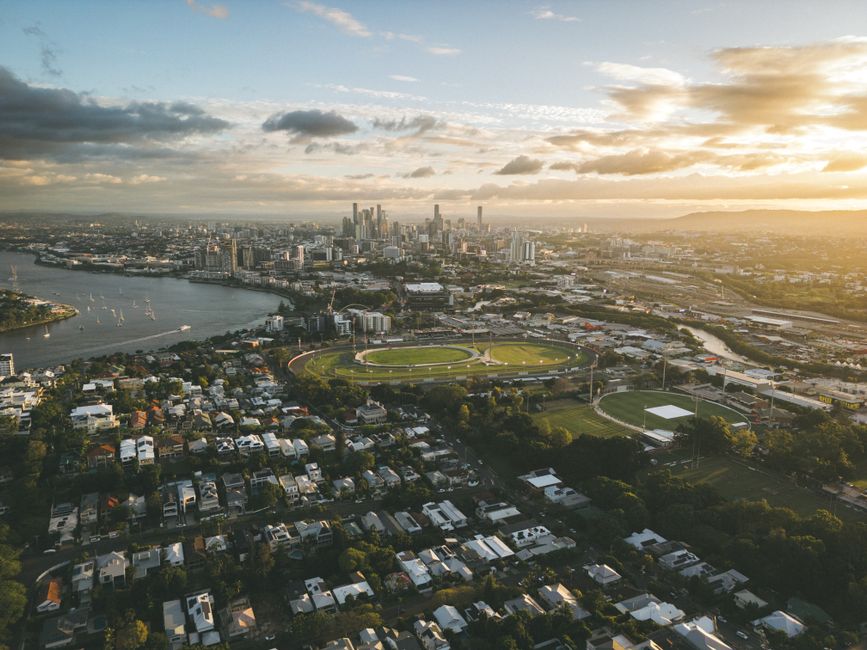
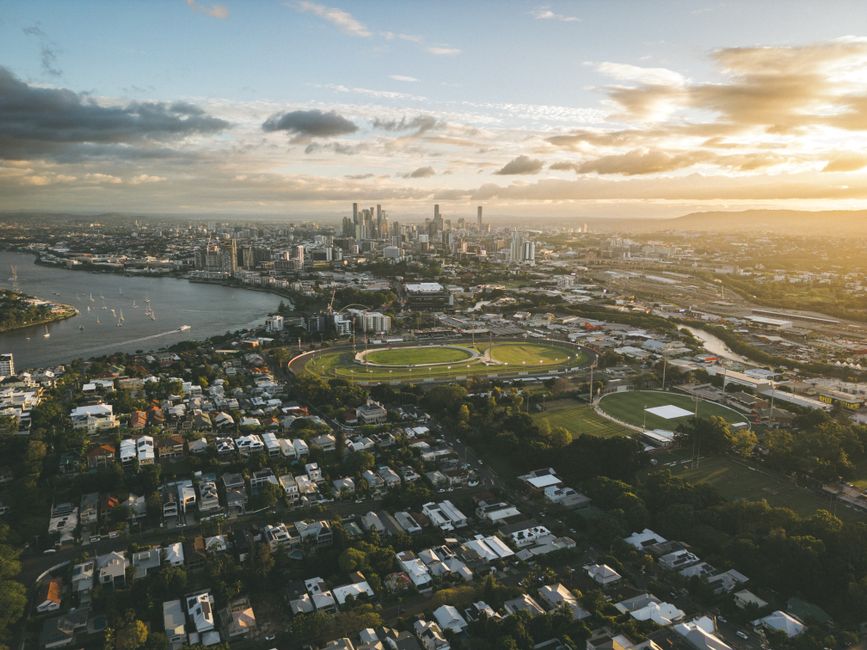
Walk through South Bank Parklands on a Saturday morning and you'll witness the full spectrum of Brisbane life unfolding. The 17-hectare precinct isn't just a tourist destination—it's where families from Mount Gravatt pack picnics, where young professionals from the CBD decompress, and where the city's multicultural communities gather for weekend rituals. The parklands' capacity to absorb 30 million visitors annually speaks to something deeper than landscaping: it's a neighbourhood within the city itself.
"What makes Brisbane's parks special isn't the facilities," says Marcus Chen, a community development researcher at QUT. "It's how they've become extensions of people's living rooms." His observation rings true in pockets like New Farm Park, where the village-like atmosphere draws locals from surrounding suburbs. The tree-lined pathways along Gregory Terrace have become morning running routes for the inner-north community, while the open lawns host everything from tai chi circles to informal cricket matches.
South of the river, the character shifts entirely. Parks in Kangaroo Point attract rock climbers and fitness enthusiasts to the cliffs, while the riverside precinct has become a meeting point for Brisbane's cycling community. Meanwhile, in Stones Corner and surrounding suburbs, smaller pocket parks are being reimagined as neighbourhood anchors—places where neighbours become acquaintances.
Real estate data shows properties within 400 metres of major green spaces command 8-12 per cent premiums compared to those without park access. But the value isn't merely financial. The Toowong precinct's parks foster a distinctly academic and creative vibe, while spaces around Mount Coot-tha attract bushwalkers seeking connection to Brisbane's natural hinterland.
What's particularly fascinating is how Brisbane's outdoor living culture reflects our subtropical climate reality. Parks aren't seasonal destinations here—they're year-round community hubs. The shift toward evening gatherings during summer months has sparked new programming across council-managed spaces, from outdoor cinema nights to community cooking events.
Local parks organisations report increased demand for community garden plots across suburbs from Paddington to Wynnum. These aren't just about growing vegetables; they're becoming informal schools where neighbours exchange recipes, gardening knowledge, and stories.
Brisbane's parks work because they've evolved beyond recreation infrastructure into genuine neighbourhood gathering spaces. Whether it's the creative energy of South Bank, the village intimacy of New Farm, or the emerging community gardens scattered through our suburbs, each green space carries the fingerprints of its local community.
That's what distinguishes Brisbane's outdoor living scene: we haven't just preserved green spaces. We've allowed communities to inhabit them, shape them, and ultimately, claim them as their own.
This article was compiled by AI from the sources linked above and screened before publishing. See our editorial standards.