Brisbane's Environmental Leaders Call for Urgent Action on Urban Heat as Summer Approaches
Senior officials and sustainability experts warn that without coordinated green infrastructure investment, Brisbane faces escalating climate risks.
Senior officials and sustainability experts warn that without coordinated green infrastructure investment, Brisbane faces escalating climate risks.
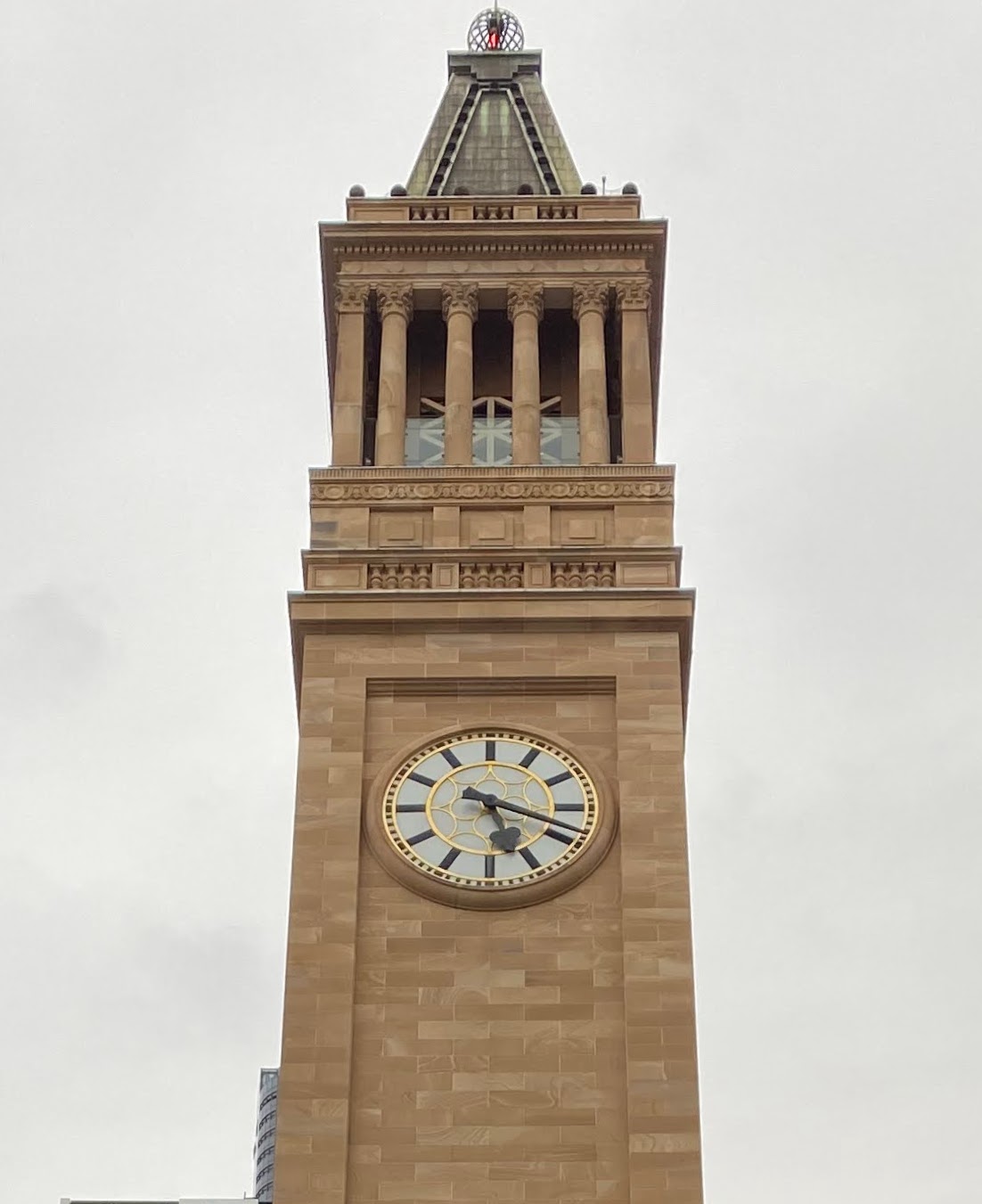
As Brisbane enters the peak of winter, environmental leaders are sounding the alarm about the city's vulnerability to urban heat stress, with senior officials and sustainability experts urging the local government to accelerate green infrastructure rollout across key neighbourhoods.
The Brisbane City Council's latest sustainability report, released in April, identified that temperatures in inner-city areas like Fortitude Valley and South Brisbane can run 3-4 degrees Celsius higher than surrounding regions during summer months. Experts from Queensland University of Technology's School of Earth and Atmospheric Sciences have emphasised that addressing this heat island effect requires immediate investment in tree-canopy coverage and permeable surfaces.
"The science is clear," according to statements issued by the council's Environmental Policy Division. "We need to prioritise vegetation across high-density zones to improve liveability and reduce energy consumption." Current projections suggest that without intervention, cooling costs for residents and businesses could rise by up to 15 per cent over the next five years.
Key stakeholders have highlighted the South Bank Parklands Master Plan expansion as a model for what's possible. The 72-hectare precinct now includes over 6,000 native trees, wetlands, and bioswales that manage stormwater and cool surrounding air. Similar initiatives are being discussed for the Kangaroo Point Cliffs area and along the Brisbane River corridor.
Local business chambers have also weighed in. Representatives from the Brisbane Chamber of Commerce have noted that sustainability investments—particularly those targeting water efficiency and renewable energy adoption—create economic opportunities. Commercial properties with green certifications command 8-12 per cent rental premiums, they argue, making environmental upgrades financially rational.
However, funding remains a sticking point. The Greening Brisbane Strategy, announced last year, requires approximately $340 million over ten years. Current budget allocations fall short, prompting calls from environmental groups and academic researchers for state and federal co-investment.
The Lord Mayor's office has committed to releasing a revised sustainability action plan by September, with targets for emissions reduction and tree-planting across all local government precincts. Officials have also signalled support for expanding electric public transport infrastructure, with particular focus on the inner-city loop and connections to Southbank and the Cultural Precinct.
Meanwhile, community groups active in suburbs like Paddington and New Farm are piloting local tree-planting initiatives. These grassroots efforts, experts suggest, will be essential to meeting Brisbane's aspiration to become one of Australia's most liveable and sustainable cities.
This article was compiled by AI from the sources linked above and screened before publishing. See our editorial standards.
Daily Network
About this article
Published by The Daily Brisbane
Daily brief
Free, in your inbox before 7am. Weekdays.
More from The Daily Brisbane