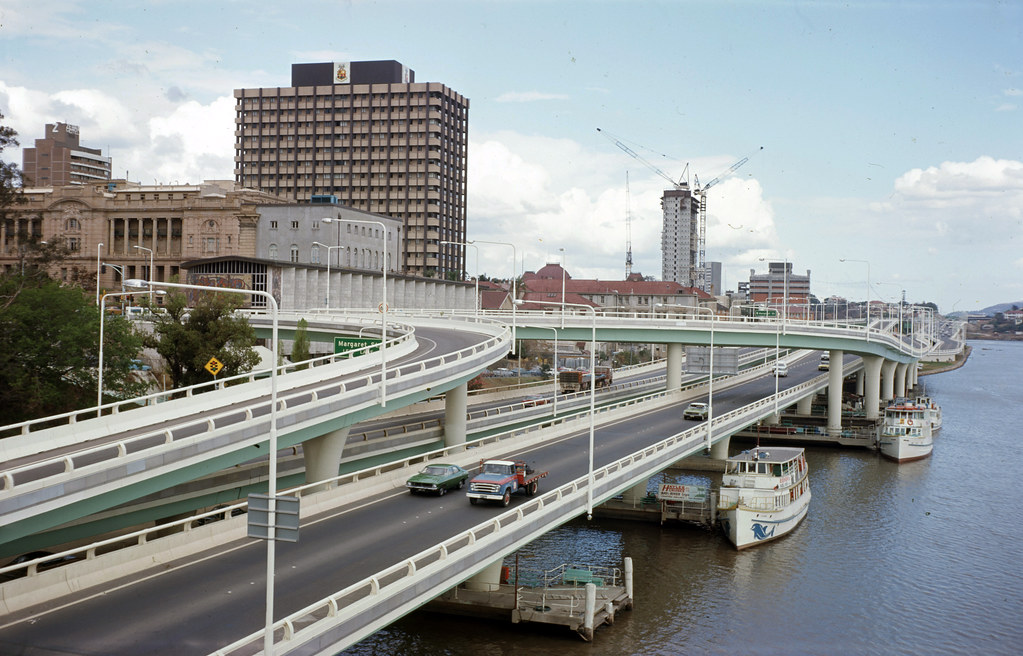
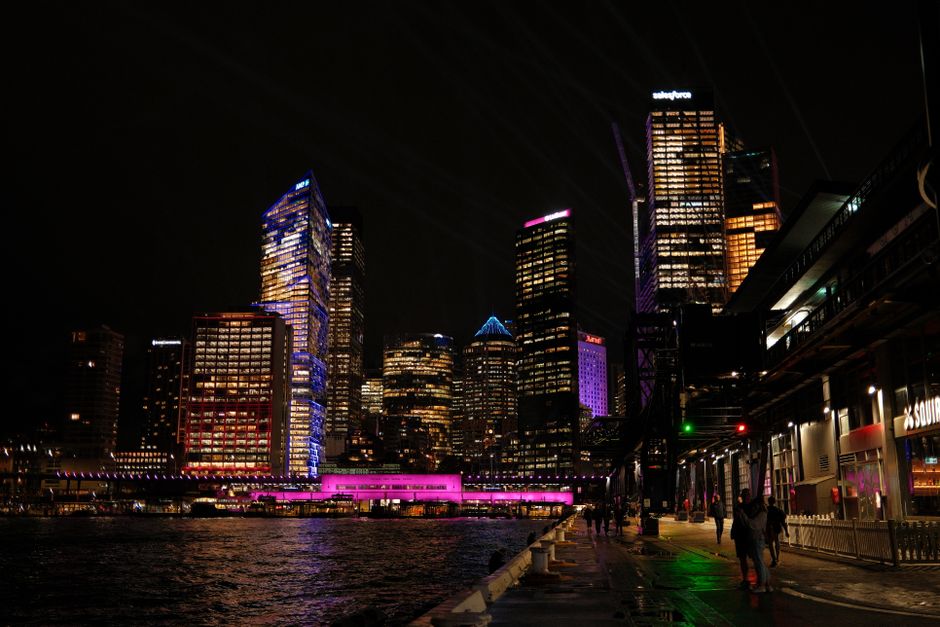
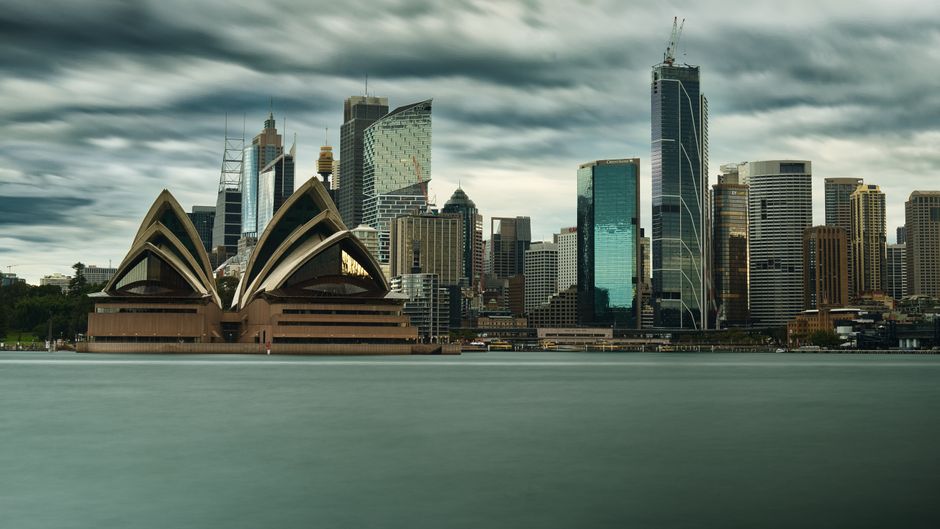
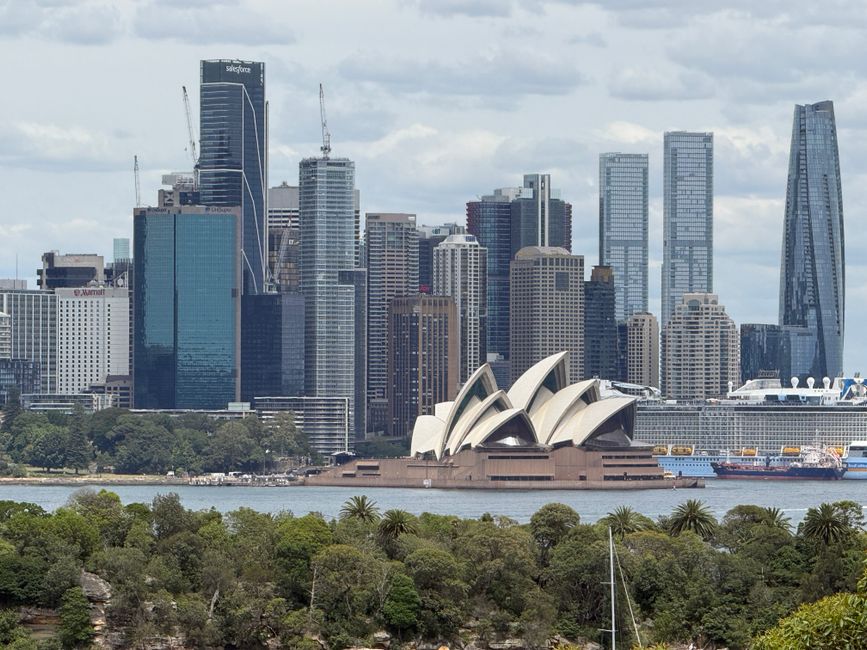
Brisbane's housing affordability crisis didn't arrive overnight. It is the product of colliding demographic waves, planning decisions made in quieter times, and a fundamental mismatch between where people want to live and where the city permits them to build.
The story begins, perhaps, in 2020. When COVID-19 shuttered international borders, Brisbane became a magnet for interstate migration. Young professionals fled Sydney and Melbourne's lockdowns. Families sought space and affordability. Between 2019 and 2023, Queensland's net interstate migration exceeded 250,000 people—a demographic earthquake. Brisbane absorbed much of that pressure, particularly in inner suburbs like Fortitude Valley, New Farm, and South Bank.
But the city was unprepared. Planning frameworks written in the 2010s, when Brisbane's growth seemed pedestrian, suddenly looked inadequate. Suburbs like Paddington, West End, and Woolloongabba—leafy neighbourhoods with character—were zoned predominantly for single-dwelling homes on substantial blocks. Development applications faced years of scrutiny from local heritage overlays and neighbourhood groups protective of their streetscapes.
Meanwhile, construction costs spiralled. Pre-pandemic, a median house in inner Brisbane cost around $750,000. By mid-2026, that same property commanded $1.2 million or more. Unit prices in Southbank and City reached $600,000-plus for modest two-bedrooms. Rental vacancies hit historic lows—below one per cent in premium suburbs.
The underlying tension reflects decades of incremental planning choices. Brisbane City Council's town plan historically favoured low-density residential protection over densification. While Melbourne and Sydney had progressively loosened restrictions on dual occupancy and medium-density housing, Brisbane moved more cautiously. The City Reach precinct, South Brisbane's major renewal zone, took nearly two decades to deliver meaningful housing numbers.
Population growth forecasts from the Queensland government suggested Brisbane would exceed 2.5 million residents by 2050—yet housing supply targets lagged projections by hundreds of thousands of dwellings. The South East Queensland Regional Plan acknowledged the gap, but implementation remained fragmented across multiple councils.
By 2026, the conversation has shifted. Talk of upzoning residential suburbs, allowing granny flats, and fast-tracking approvals along transport corridors now dominates council meetings and state government policy. The constraint wasn't demand—it was always supply, shaped by decades of planning philosophy that prized preservation over growth.
Understanding how Brisbane arrived here matters because the solutions will reshape how the city looks and feels for generations to come.
This article was compiled by AI from the sources linked above and screened before publishing. See our editorial standards.