Brisbane's transport revolution stacks up differently than London and Singapore — but does it measure up?
As major cities worldwide race to rebuild infrastructure, Brisbane's approach to managing congestion and construction reveals both smart planning and cautionary lessons.
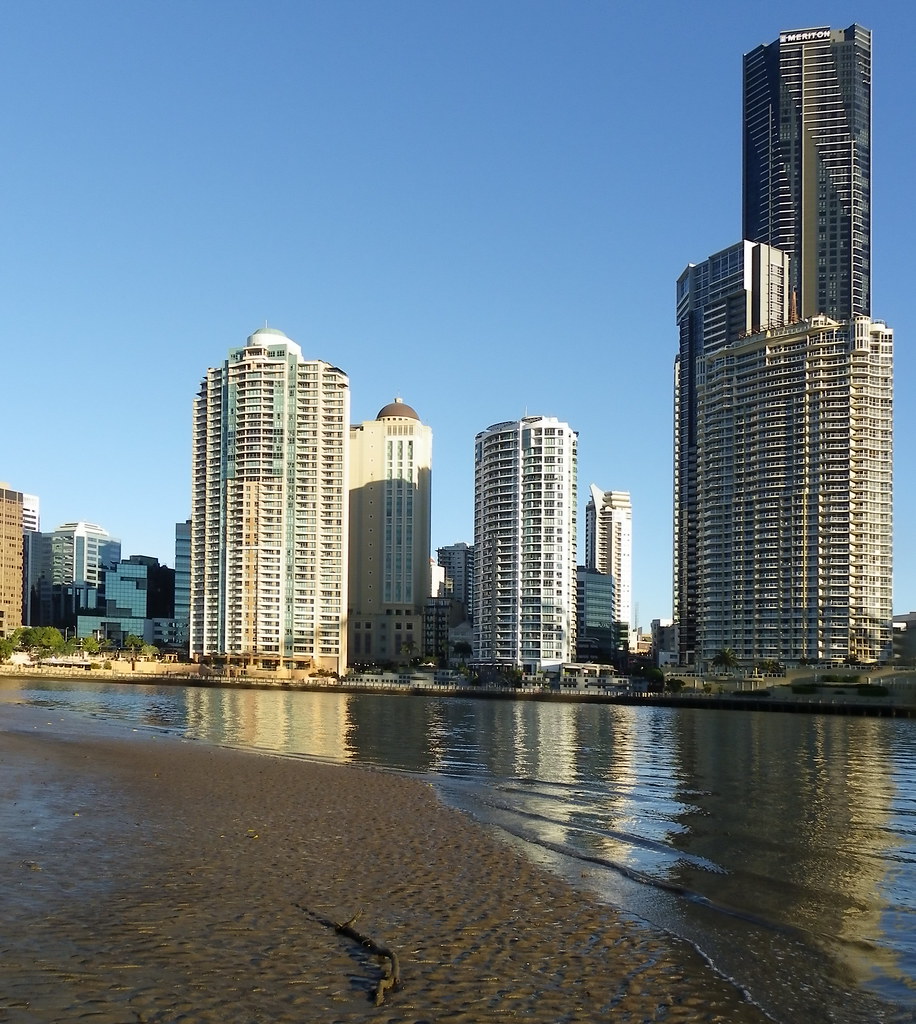
Brisbane stands at a crossroads. While London grapples with extending the Elizabeth Line across outer zones and Singapore perfects its Island Rapid Transit network, Queensland's capital is charting its own course through a maze of construction projects that will define the next decade of urban mobility.
The $16.8 billion Cross River Rail project, which opened in late 2024, marked a watershed moment for the city. Unlike London's protracted Crossrail development—which took 23 years and ballooned to $32 billion—Brisbane compressed its underground rail vision into a more modest footprint: 10.2 kilometres of tunnels connecting Dutton Park to Bowen Hills, with stations strategically placed near the CBD, South Bank, and Fortitude Valley.
"We've learned from watching other cities get bogged down," says the transport sector in Brisbane, where planners have adopted a phased approach. The MetroNetwork expansion follows suit, with stage one targeting connections to Chermside and Springwood by 2030, a timeline that contrasts sharply with Singapore's relentless pace—the city-state opens new MRT stations almost annually.
But comparisons reveal friction points. Melbourne's tram network operates 250 kilometres of track across 24 routes; Brisbane's equivalent remains fragmented, with the South Bank Parklands loop and limited inner-city coverage. Meanwhile, congestion on the M1 motorway and the Gateway Bridge mirrors challenges facing Toronto and Sydney, where orbital roads have become choke points despite heavy investment.
The real test lies in execution and cost containment. Cross River Rail ran roughly on budget, a feat that surprised skeptics. However, the proposed $7 billion Toowoomba Second Range Crossing and ongoing upgrades to the Logan Motorway have sparked debate about whether Brisbane is spreading resources too thinly across too many projects simultaneously.
Local residents travelling through the CBD notice the change: fewer cars, more pedestrians on Queen Street, and construction sites reshaping precincts from Milton to Kangaroo Point. Yet transport experts argue Brisbane must accelerate bus rapid transit corridors and cycle infrastructure if it wants to rival European cities like Copenhagen or Dutch cities that have mastered multimodal transport networks.
The city council's $1.34 billion Local Infrastructure Fund aims to address this, prioritising local roads and active transport. Whether Brisbane maintains this momentum or falls victim to funding delays—as London did repeatedly—will determine whether it emerges as a model for mid-sized global cities or a case study in missed opportunities.
This article was compiled by AI from the sources linked above and screened before publishing. See our editorial standards.
Daily Network
From the Daily Network
Related reporting from other cities in our network.