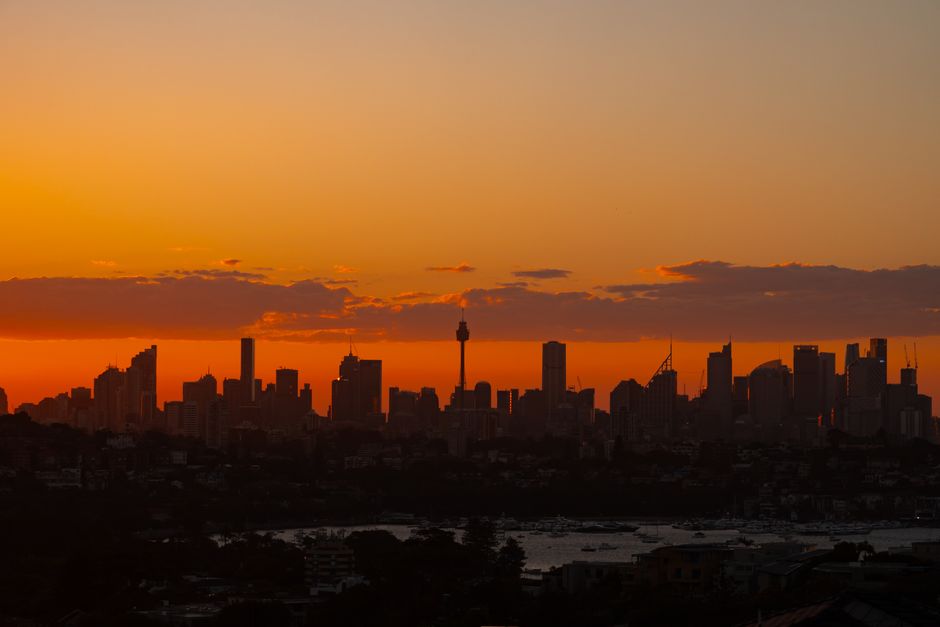
Brisbane's South Bank precinct stands at a pivotal moment. With the Queensland Museum's $450 million expansion greenlit and the Gallery of Modern Art nearing capacity, stakeholders across the riverside neighbourhood must now navigate a series of interconnected decisions that will shape the precinct for generations.
The immediate question confronting residents, business owners and the Brisbane City Council centres on density and character. Properties along Grey Street and Grange Road have attracted investor interest, with median unit prices climbing 18 per cent year-on-year. Yet heritage protections remain inconsistent, and pressure mounts from developers seeking to capitalize on the precinct's elevated profile.
"We're at an inflection point," said one community representative familiar with planning discussions. The South Bank Community Forum, which meets monthly at the South Bank Community Centre, has emerged as the key voice advocating for managed growth rather than speculative development.
A second critical decision involves public space connectivity. The proposed pedestrian bridge linking the precinct to the West End across the Brisbane River has stalled in feasibility studies. Transport planners must now decide between a conventional bridge design—costing an estimated $85 million—or a cable-stayed structure offering greater visual impact but higher maintenance requirements.
Car parking presents another thorny issue. The existing South Bank Parklands car park operates at 87 per cent capacity during peak weekends, yet underground expansion beneath the cultural precinct raises heritage concerns. Council officers are evaluating a satellite parking strategy at nearby sites, potentially redirecting visitors through improved pedestrian laneways.
Water management and flood resilience have become urgent following Brisbane's 2024 inundation events, which temporarily closed major venues. Engineers are proposing elevated walkways and improved stormwater infrastructure, with costs estimated at $120 million. Community feedback sessions scheduled for July will test public appetite for these changes.
The precinct's evening economy also demands attention. While restaurants and bars have flourished along South Bank Parkway, residential amenity concerns—particularly noise—have prompted requests for stricter operating hours. Business owners and nearby residents must reach consensus on how to balance vibrancy with liveability.
Finally, affordable cultural access faces pressure as rents and ticket prices climb. The council's recently announced community arts fund attempts to address this, but allocations remain modest against demand.
Council is expected to release a comprehensive South Bank Strategic Plan by September 2026, incorporating community feedback and professional recommendations. That document will effectively determine whether the precinct evolves as an inclusive cultural destination or transforms into a premium, visitor-focused hub. The decisions made over the next three months will prove decisive.
This article was compiled by AI from the sources linked above and screened before publishing. See our editorial standards.