Brisbane's investment landscape is shifting. With the state median hovering around $780,000 and interstate migration from NSW and Victoria showing no signs of slowing, property investors are increasingly asking whether their capital is better deployed in bricks-and-mortar residential or the commercial sector.
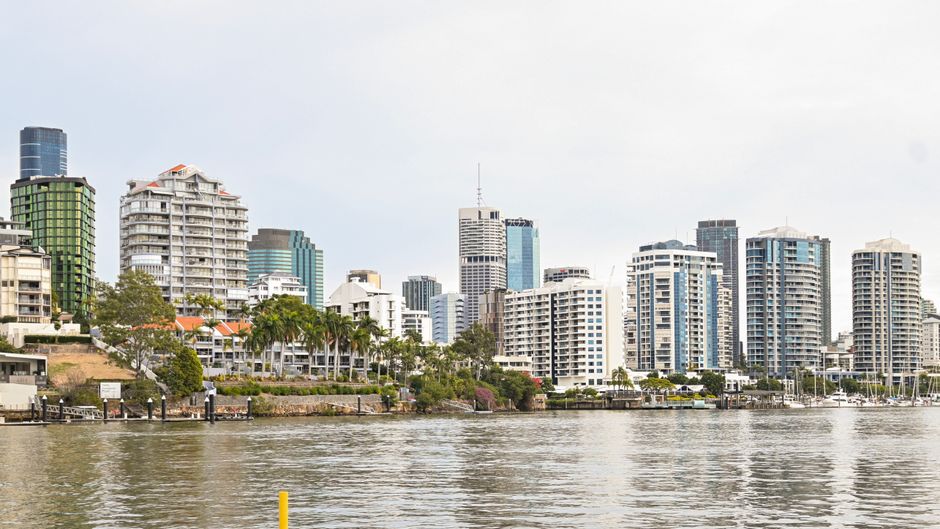
The residential game remains familiar territory. A three-bedroom house in established northside suburbs like Clayfield or Hamilton still attracts solid rental demand—typically yielding 3.5 to 4.2 per cent gross returns. Apartment blocks in inner-ring locations near the Brisbane River or South Bank Parklands command premiums, though yields compress accordingly. The Olympics infrastructure boom has lifted some fringe markets, with suburbs along the proposed transport corridors seeing renewed investor interest, but competition for these assets has intensified.
Commercial property tells a different story. Industrial warehousing in suburbs like Pinkenba and Yatala—gateway logistics hubs serving the Port of Brisbane and southeast Queensland distribution networks—are delivering 5.5 to 6.5 per cent yields. Smaller retail investments along major thoroughfares like Boundary Street, South Brisbane, or Chapel Street, Fortitude Valley, are tighter, typically returning 4 to 5 per cent, but with longer lease terms and corporate tenants providing stability.
The yield gap has widened this year. Commercial property investors benefit from longer lease protections, indexed rent reviews, and institutional-grade tenants—factors that reduce vacancy risk. Residential landlords, by contrast, face tightening tenant protections and rising maintenance costs, particularly in older stock across the northside and southside.
However, capital appreciation tells another story. Residential markets, especially within five kilometres of the CBD, have outpaced commercial growth. The Olympics effect continues to underpin expectations of long-term value uplift, making residential attractive for investors with 10-plus year horizons.
The sweet spot for many Brisbane investors now lies in mixed-play strategies: smaller commercial investments for yield certainty and cash flow, paired with residential holdings in high-growth corridors. The first-home buyer squeeze—widely acknowledged as the most exposed segment in today's market—has pushed investor capital upmarket, depressing entry-level yields but sustaining competition for premium assets.
Interest rate outlook and tax depreciation benefits still favour residential for some, but the commercial sector's structural advantages—particularly in logistics and purpose-built retail—are attracting fresh capital. For Brisbane investors, the question is no longer which asset class wins outright, but which mix suits their timeline and risk tolerance.
This article was compiled by AI from the sources linked above and screened before publishing. See our editorial standards.