Battle Lines Drawn: Why Brisbane Communities Back and Block New Development
As Queensland's median property price edges toward $800,000, inner-city suburbs are gridlocked between housing supply advocates and residents fighting to preserve neighbourhood character.
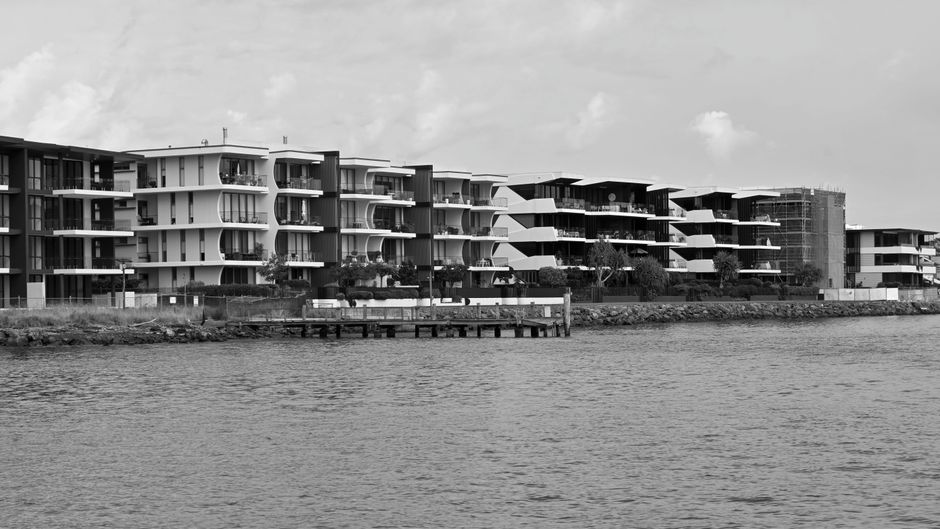
South Brisbane's Kangaroo Point precinct has become ground zero for Brisbane's development wars. A proposed 18-storey mixed-use tower on Main Street would add 280 apartments to the tightening inner-city supply, but sparked fierce community backlash at council meetings last month. The same pattern is repeating across Fortitude Valley, West End, and Newstead—suburbs already transformed by high-density projects yet facing fresh planning applications.
Developers and housing advocates argue the case is simple: Brisbane needs homes. With interstate migration from NSW and Victoria accelerating and the median dwelling price hovering near $780,000, first-home buyers are increasingly locked out. Planning bodies note that Brisbane's population is projected to grow by 1.2 million by 2050, and existing suburbs cannot absorb that demand without densification. "If we don't build up, we build out," one property economist noted, pointing to sprawl that would consume greenbelt around Ipswich and the Gold Coast hinterland.
Residents counter that developer-led growth comes at a cost locals weren't consulted about. Parking shortages in Fortitude Valley have worsened since five apartment complexes opened in three years. Schools—like the already-strained Wooloowin State School—face enrolment pressures. And infrastructure creep is real: main roads like Wickham Street struggle during peak hours. Locals argue the 2032 Olympics infrastructure boom has emboldened developers to fast-track applications, exploiting fast-track approvals for Games-adjacent works.
A third voice—often unheard—comes from long-term renters and younger purchasers who want supply to increase but worry about gentrification. West End's median rent has jumped $80 per week in two years; new apartments target owner-occupiers and investors, not renters seeking stability.
Brisbane City Council faces pressure from all sides. The state government favours development approvals under the Planning Act, seeing housing supply as critical to Queensland's competitive advantage over Victoria. But ward councillors face angry residents at community forums. Some suburbs—Kangaroo Point, Ascot—have organised formal opposition groups with petitions and legal advice budgets.
The uncomfortable truth: both sides are right. Brisbane does need housing. Communities also have legitimate concerns about infrastructure, character, and livability. Solutions exist—developer contributions to schools and transport, height restrictions in character zones, mandatory affordable housing quotas—but demand political will.
Until Brisbane's leadership treats these arguments as policy problems rather than political battlegrounds, expect more Kangaroo Point standoffs ahead.
This article was compiled by AI from the sources linked above and screened before publishing. See our editorial standards.
Daily Network
From the Daily Network
Related reporting from other cities in our network.