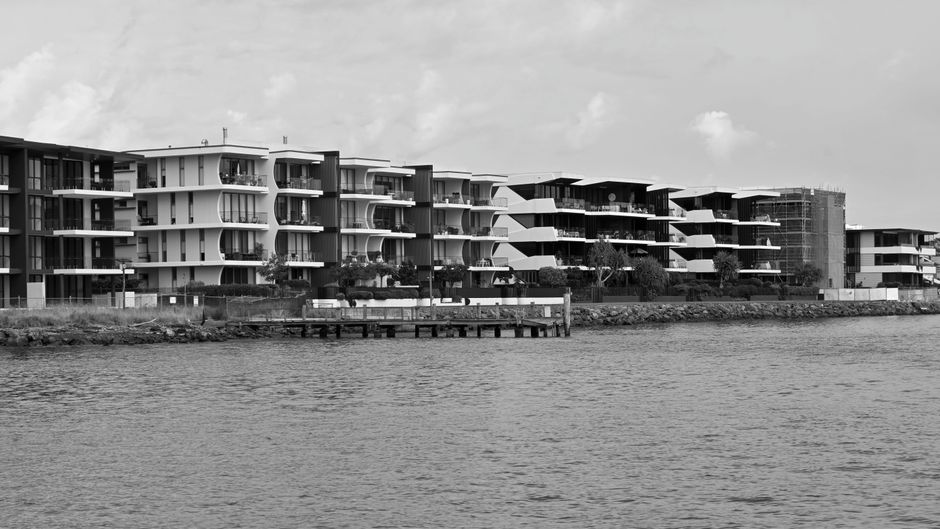
Brisbane City Council's revised planning scheme, which takes effect in early July, introduces tighter controls on residential density, setbacks and façade design in precincts from Fortitude Valley to South Brisbane—changes that are already rippling through development pipelines and reshaping investor expectations.
The new framework requires developers to maintain greater street-level transparency in commercial zones, limits tower floor plates in residential areas to 750 square metres (down from 900), and mandates deeper setbacks on mid-rise buildings above 15 storeys. For suburbs like Newstead and Teneriffe, where median apartment values hover near $650,000, the stricter rules mean fewer apartments per site and longer approval phases.
"We're seeing projects that were approved under the old code now facing redesign requests," says local planning consultant David Howells. "A 25-storey tower in Valley might drop to 20 storeys, or lose 40–60 apartments. That changes feasibility."
Council planners cite Olympic 2032 infrastructure demands and liveability concerns. The revised code emphasises activation around parks—notably the restored New Farm Park precinct and Bicentennial Park in South Brisbane—and requires ground-floor retail or café frontage on nominated streets. Corner sites on Given Terrace and Wickham Street in Fortitude Valley are now subject to stricter design scrutiny.
The changes also affect design competition. Bland, standardised apartments are now less likely to win approval. Council wants variety in materials, balcony depths (minimum 2 metres), and architectural expression. For buyers, this may mean better-designed stock; for developers, it means higher design costs upfront.
First-home buyers should note the flow-on effect: fewer apartments per project means reduced supply in the $500,000–$700,000 bracket over the next 18–24 months, even as Queensland continues to attract interstate migrants from NSW and Victoria. Competition for established stock in suburbs like Paddington and West End—currently sitting above $800,000—may intensify.
Not all developers are unhappy. Some view stricter design standards as a market-filter: lower-quality projects won't proceed, potentially supporting prices for quality apartments. "Scarcity breeds value," one Fortitude Valley operator noted privately.
Council will phase in exemptions for sites within 400 metres of planned Olympic transport nodes, a nod to the broader 2032 vision. Projects in this zone may retain higher density but must meet enhanced public realm commitments.
For property investors and owner-occupiers, the lesson is clear: check your suburb's planning zone before committing. The next 12 months will reveal which precincts benefit most from design-led development, and which face supply crunches.
This article was compiled by AI from the sources linked above and screened before publishing. See our editorial standards.