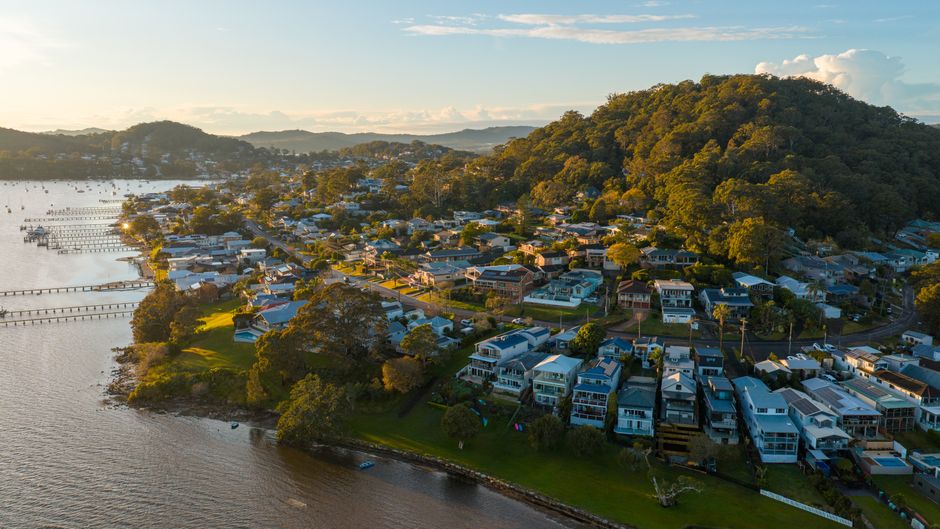
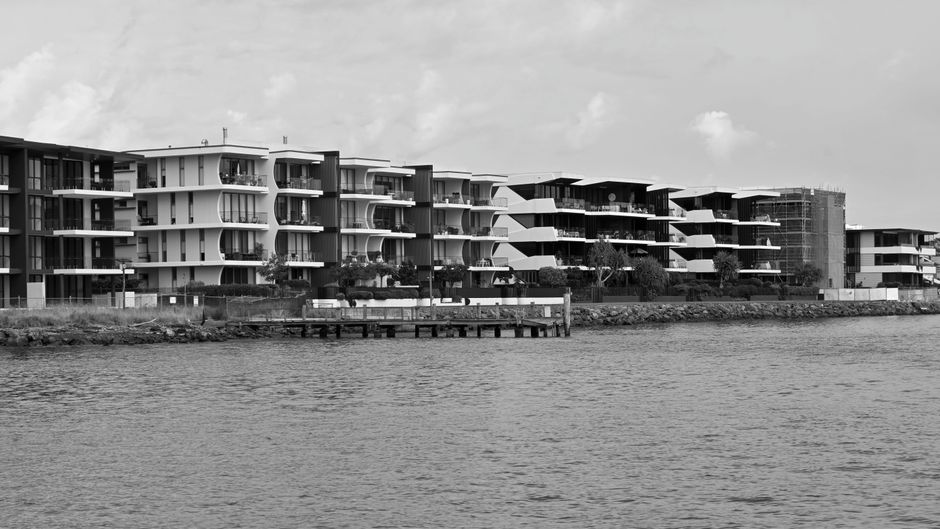
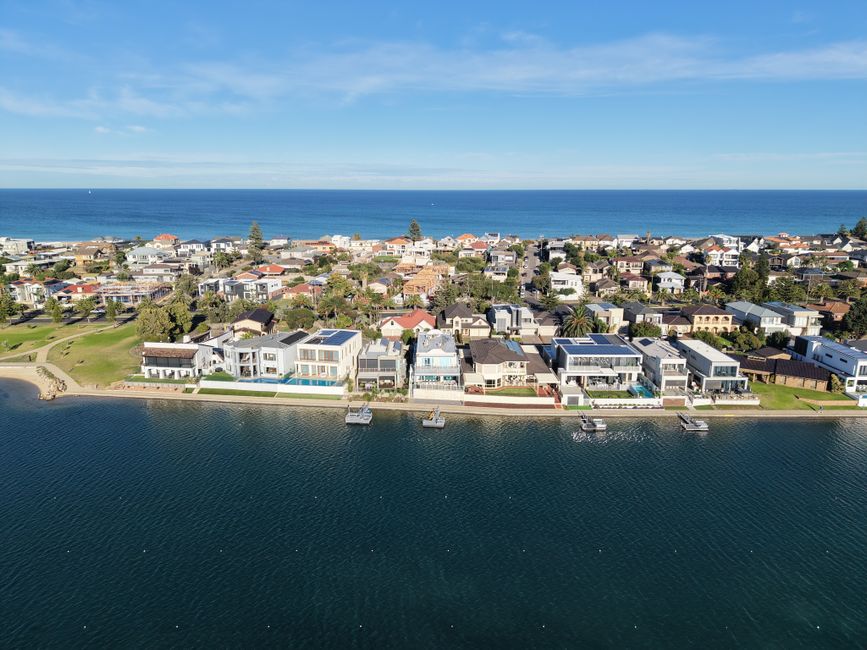
For decades, Brisbane buyers fixated on catchment areas, proximity to parks like New Farm Park, and commute times to the CBD. Today, a sharper question haunts open-house conversations: how high will the water go?
The shift is subtle but seismic. While interstate migration from NSW and Victoria continues to fuel demand ahead of the 2032 Olympics infrastructure boom, a growing cohort of buyers—particularly those investing beyond the traditional Northside and Southside corridors—are now demanding flood risk assessments before exchanging contracts.
"We're seeing genuine inquiry fatigue in suburbs with moderate to high flood exposure," says one inner-north agent familiar with the Clayfield and Nundah precincts, where properties typically command $850,000 to $1.2 million. "Buyers are asking harder questions about council flood modeling and insurance premiums than they did three years ago."
The trend reflects both climate reality and market maturity. Brisbane experienced significant inundation in 2022, and modeling by the Queensland government suggests intensifying rainfall patterns. Meanwhile, younger buyers—often first-home hopefuls battling the state's tight rental market—are increasingly aware that a cheap entry point on a flood-prone street can become a financial trap within a mortgage term.
Insurance costs tell part of the story. Properties in elevated risk zones near the Brisbane River, Kedron Brook, or coastal fringes are seeing annual premiums rise 15–25 percent year-on-year. A $700,000 property in South Brisbane or West End now routinely attracts insurance bills double those of comparable properties in flood-immune suburbs like Ascot or Clayfield.
Paradoxically, the Olympics effect remains powerful. Suburbs benefiting from Games-related infrastructure spend—like Bowen Hills and Bulimba, where median prices hover around $850,000—are weathering climate concerns more robustly because amenity gains offset risk perception. Buyers are paying for certainty and connectivity.
Meanwhile, outer suburbs like Springfield and Ipswich, popular with first-home buyers due to affordability, face a double headwind: longer commutes and variable flood exposure that requires granular, property-level research.
The upshot? Brisbane's property market remains robust, but its decision-making architecture is evolving. Climate risk is no longer a peripheral concern whispered at settlement tables—it's now a primary filter. Agents report that suburbs with clear flood immunity, reliable insurance costs, and strong planning credentials are commanding premium multiples, even as traditionally fashionable postcodes struggle to maintain momentum.
For buyers and investors, the message is clear: in 2026, know your land's elevation as well as you know your school zones.
This article was compiled by AI from the sources linked above and screened before publishing. See our editorial standards.