New Apartment Tower: What It Means for the Local Market
A landmark 45-storey development in South Brisbane is set to reshape affordability and competition across the inner-city corridor.
A landmark 45-storey development in South Brisbane is set to reshape affordability and competition across the inner-city corridor.
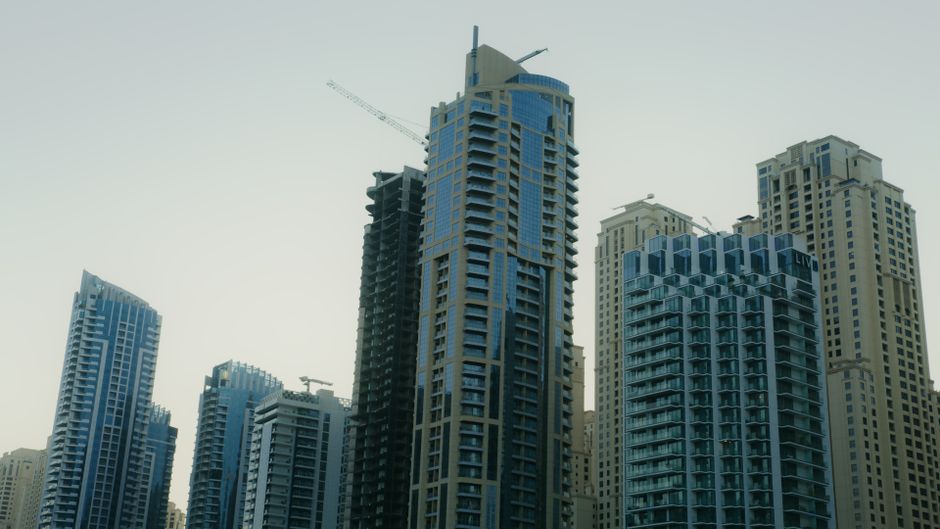
South Brisbane's property landscape is bracing for a significant shift following approval of a 45-storey mixed-use tower on Grey Street, a move that will inject 380 new apartments into one of Brisbane's most sought-after precincts.
The development, slated for completion in 2029, arrives at a critical moment for the local market. Inner-city unit prices have climbed to an average of $685,000—a 12 per cent rise over two years—driven by interstate migration and Olympic infrastructure investment. The new tower threatens to ease pressure on the tightest segments while reshaping buyer expectations across the Southside corridor.
"We're seeing genuine competition returning to the market," says Maria Chen, director of Brisbane Residential Research. "Developers haven't delivered this volume to South Brisbane since 2019. It's not a crash scenario, but first-home buyers and investors will finally have negotiating power they've lacked for 18 months."
The timing is critical. While the Queensland median sits near $780,000, inner-Brisbane has decoupled from regional markets. Apartments in adjacent Woolloongabba and West End now command $620,000–$750,000 for two-bedroom stock, with little inventory below $550,000. The new tower's expected price point—$520,000 to $680,000 for comparable layouts—will directly challenge established submarkets.
South Brisbane's appeal rests on proximity to the CBD, South Bank Parklands, and the expanding cultural precinct. The 2032 Olympic Games have accelerated rail and bus infrastructure upgrades, particularly along the South East Queensland Corridor. These fundamentals remain intact, but supply elasticity matters.
"Developers aren't spooked," Chen notes. "Three additional towers are in planning phase along South Bank Parklands and Grey Street. That suggests confidence in absorption, even at higher density."
For existing apartment holders, the outlook is nuanced. Units completed before 2015 in South Brisbane may see modest rental yield compression as newer stock captures investor attention. However, properties within 800 metres of the proposed light rail extension—servicing Woolloongabba and Kangaroo Point—are likely to retain value through improved transport connectivity.
The broader Brisbane picture remains supply-constrained. Regional areas—Carindale, Indooroopilly, Mount Gravatt—still lack significant new housing, meaning outer-suburbs and the Northside won't see meaningful price relief. Interstate buyers migrating from Sydney and Melbourne will continue targeting established inner-suburbs, cushioning demand.
For first-home buyers entering the market this quarter, the timing offers a rare window. Competition will intensify post-2027 as construction ramps up, but 18 months of relative negotiating power may be available now. The new tower isn't a market reset—it's a rebalancing.
This article was compiled by AI from the sources linked above and screened before publishing. See our editorial standards.
Daily Network
About this article
Published by The Daily Brisbane
Daily brief
Free, in your inbox before 7am. Weekdays.
More from The Daily Brisbane