Holiday Rental vs Long-Term Lease: What Nets More for Brisbane Investors
With yields under pressure across Queensland, property investors are weighing short-term tourism income against stable tenancies—and the maths might surprise you.
With yields under pressure across Queensland, property investors are weighing short-term tourism income against stable tenancies—and the maths might surprise you.
The holiday rental boom has captivated Brisbane's investor class, but as the 2032 Olympics infrastructure push brings fresh eyes to the city, savvy landlords are running harder numbers on whether Airbnb-style returns actually beat traditional long-term leasing.
On paper, short-term holiday rentals promise allure. A three-bedroom house in trendy Kangaroo Point or West End can command $250–$320 per night during peak season (school holidays, summer weekends). That's potentially $6,500–$10,000 monthly if occupancy hits 70 per cent. By contrast, the same property on a 12-month lease typically rents for $2,200–$2,600—closer to $26,000–$31,000 annually.
But the gap narrows fast once expenses stack up. Holiday rentals demand professional cleaning between guests ($150–$250 per turnover), property management fees (15–20 per cent of gross income), higher council rates for short-term use, and frequent maintenance. Insurance premiums for holiday rentals also run 30–50 per cent above standard landlord cover. Add unexpected vacancy during shoulder seasons, and realistic net yields hover around 4–5 per cent.
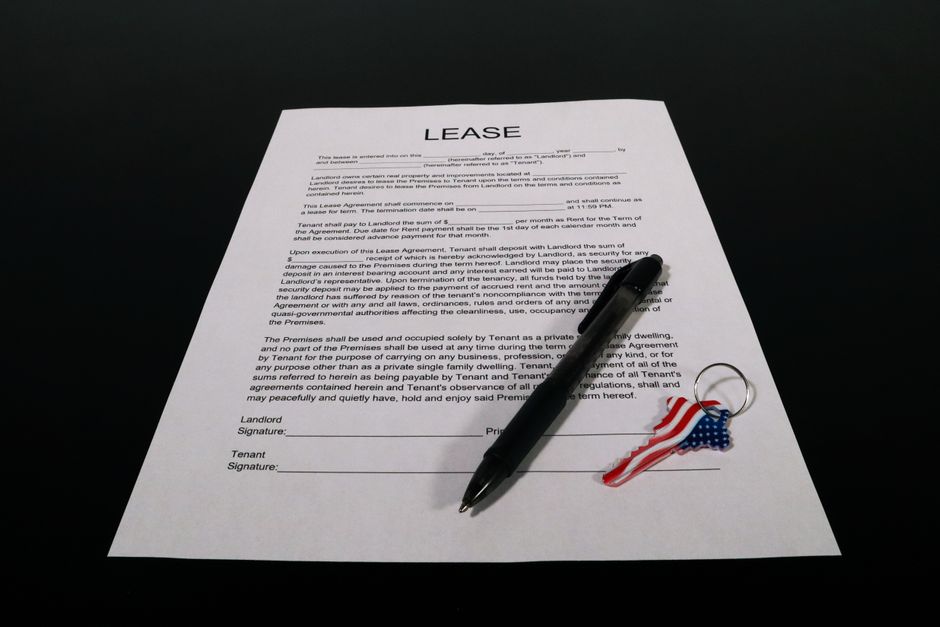
Long-term leases, by contrast, offer lower friction. A $780,000 property (near Queensland's median) leased at $2,400 monthly generates 3.7 per cent gross yield—but with minimal turnover costs, standard landlord insurance, and predictable cash flow. Net yield typically sits at 3–3.5 per cent after maintenance and rates, yet requires far less active management.
The tax picture matters too. Holiday rental income is assessed at marginal rates; depreciation claims are tighter. Long-term residential leases benefit from more generous depreciation schedules and clearer deduction frameworks, SMSF specialists confirm.
Location amplifies the trade-off. Inner-Brisbane suburbs like South Brisbane or New Farm—close to the city, parks, and restaurants—attract holiday guests. Suburbs further north (Aspley, Carseldine) or southwest (Acacia Ridge) struggle to fill short-term bookings consistently, making long-term leasing the safer bet.
The Olympic zeitgeist also matters. Investors banking on a 2032 tourism spike should stress-test their assumptions: post-Games demand could drop sharply, leaving them overstretched.
Most property strategists now recommend a hybrid: keep established long-term leases, trial holiday rentals only in proven high-traffic zones, and stay alert to regulatory shifts. Brisbane City Council continues tightening short-term rental rules, and statewide changes could limit profitability overnight.
The bottom line: holiday rentals suit disciplined operators in premium suburbs with high natural foot traffic. For most Brisbane investors, steady long-term leases remain the smarter wealth-builder—less drama, fewer surprises, and yields that actually stack up once costs are real.
This article was compiled by AI from the sources linked above and screened before publishing. See our editorial standards.
Daily Network
About this article
Published by The Daily Brisbane
Daily brief
Free, in your inbox before 7am. Weekdays.
More from The Daily Brisbane