Brisbane's property market is entering a new era of scrutiny. While the state's median price hovers around $780,000 and interstate migration continues to fuel demand ahead of the 2032 Olympics, a quieter but equally significant shift is underway: climate risk is becoming as important as location, schools, and commute times in buyer calculations.
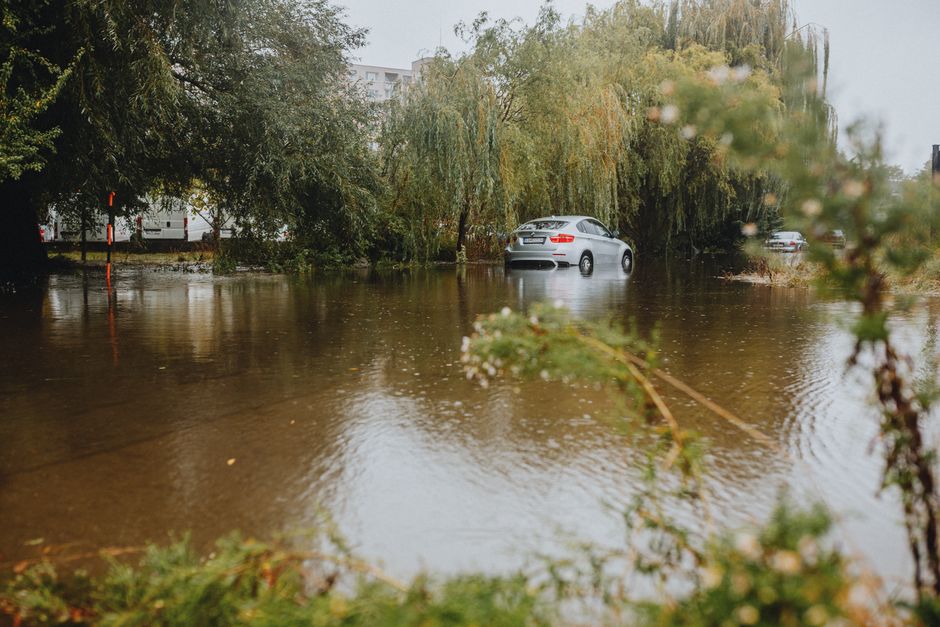
The trend is already visible in suburb-level pricing disparities. Properties in flood-prone areas like Rocklea and Yeerongpilly—historically affordable inner-west corridors—are seeing slower growth trajectories compared to elevated suburbs such as The Gap and Ashgrove, where buyers increasingly view topography as insurance. Real estate agents report that climate disclosure documents are no longer afterthoughts; they're deal-breakers for a growing cohort of informed purchasers.
"We're seeing a two-tier market emerge," says local property commentator David Chen. "Buyers migrating from Melbourne and Sydney expect detailed flood modelling and heat mapping. It's changing valuations in ways we haven't fully quantified yet."
The catalyst is partly regulatory. Queensland's climate disclosure laws have tightened, forcing transparency around historical flood data and projected inundation risks. But it's also cultural. Younger buyers—particularly those relocating for work or lifestyle—are researching the 2011 Brisbane floods and recent extreme weather events with unprecedented rigour before committing six-figure sums.
Green space access is another emerging metric. Suburbs with proximity to cooling assets—the Lone Pine Koala Sanctuary precinct in Ashgrove, Brisbane Forest Park, and the Toohey Forest reserves—are commanding subtle premiums as heat resilience becomes a selling point. Similarly, stormwater resilience and tree canopy coverage are gaining traction in agent pitches.
The Olympics infrastructure push adds complexity. While projects like the Roma Street Parkland upgrades and Southbank precinct enhancements are appealing, they've also sparked discussion about uneven climate adaptation spending. Suburbs missing out on green infrastructure investment are quietly losing ground.
What does this mean for the broader market? Price variance by climate exposure is likely to widen. The $780,000 median masks growing disparities: flood-exposed suburbs may stagnate, while elevated or well-landscaped areas capture disproportionate buyer attention. First-home buyers—already under pressure—face an additional layer of complexity: cheaper entry-level stock often sits in areas with higher climate risk.
By 2030, climate risk could rival school ratings in the buyer priority hierarchy. Brisbane's property market isn't crashing, but it is decisively rebalancing. Smart investors and residents are already reading the weather maps.
This article was compiled by AI from the sources linked above and screened before publishing. See our editorial standards.