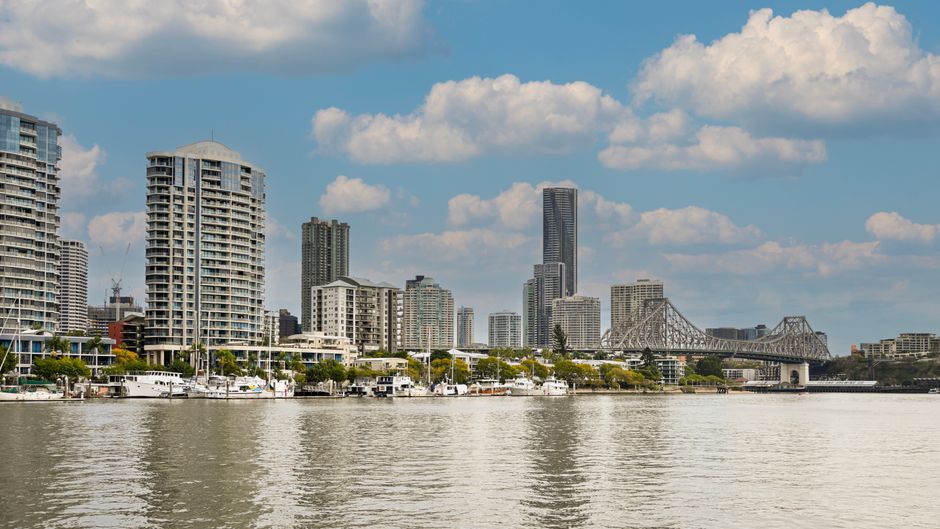
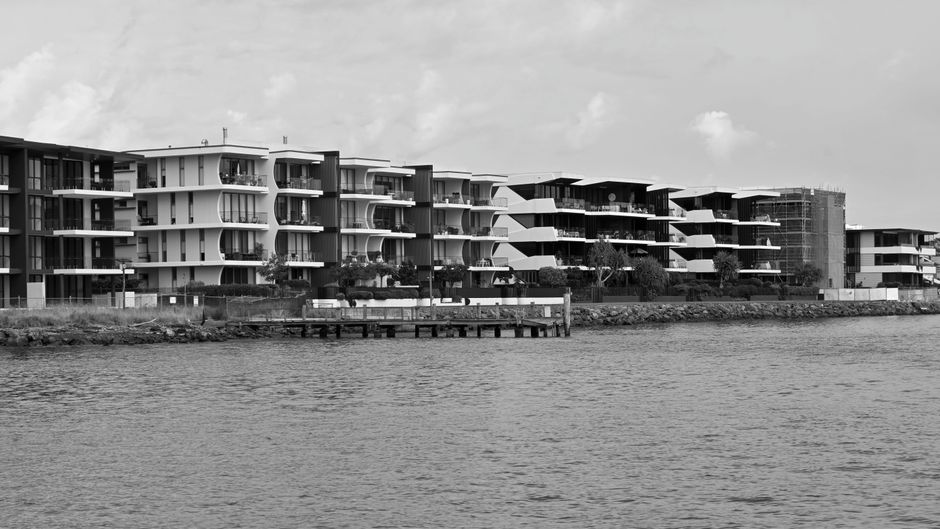
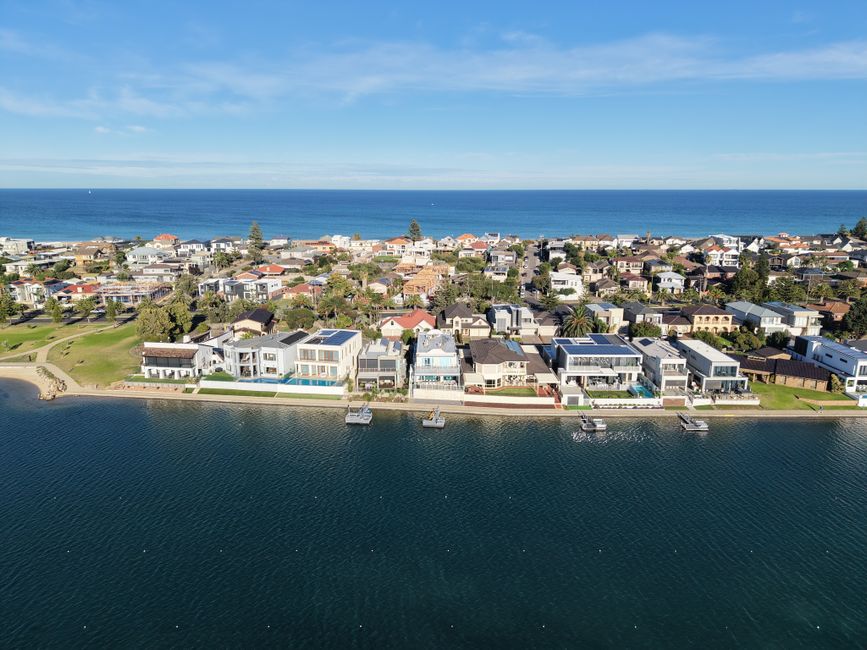
Brisbane's property market has long been shaped by local preferences, but 2026 reveals a more complex story: demographic currents are shifting beneath the surface, redirecting demand away from traditional strongholds and into emerging pockets across the city.
The data tells a compelling narrative. Net interstate migration into Queensland has accelerated since 2024, with NSW and Victoria shedding residents faster than any recent period. Most are professionals aged 28–45, seeking affordability without sacrificing lifestyle. That cohort is reshaping which suburbs command genuine buyer appetite.
The Northside is experiencing its most dramatic transformation in years. Suburbs like West End and South Brisbane, long considered established, are now competing with outer growth corridors. Families priced out of the inner-city fringe—where median values hover around $1.2 million—are gravitating toward Paddington, Fortitude Valley's residential pockets, and even Toowong, where family homes still trade in the $950k–$1.1 million range. These areas offer proximity to Brisbane's cultural and employment hubs without the premium of beachside living.
But the real movement is happening further afield. Suburbs within 15 kilometres of the CBD—Coorparoo, Mount Gravatt, and Sunnybank—are attracting young professionals and first-home buyers in unprecedented numbers. Coorparoo, in particular, has emerged as a bellwether. Proximity to the Prince Charles Hospital, retail strips on Logan Road, and the Coorparoo Green Space make it attractive to healthcare and education workers relocating from interstate. Similar patterns are visible in Carindale and Eight Mile Plains, where median values of $750k–$820k remain accessible compared to coastal alternatives.
The Olympics infrastructure boost is quietly reshaping demand patterns too. Transport improvements to the north-west corridor are funnelling migration toward suburbs like Aspley and Chermside, traditionally seen as secondary options. But demographers note that younger cohorts prioritize walkability, services, and community amenities over prestige postcodes—a seismic shift from the 2015–2020 boom.
First-home buyers remain exposed, as national commentary suggests, but Brisbane's median of $780k provides breathing room absent in Melbourne or Sydney. The real vulnerability lies with investors betting on traditional blue-chip suburbs. Demographic trajectories suggest yield opportunities are migrating outward, following population flows toward outer suburbs with improving infrastructure and younger resident profiles.
By 2032, when Olympic infrastructure peaks, Brisbane's property map will look markedly different. The suburbs capturing demographic momentum now—particularly outer-north and south-west corridors—are likely to deliver strongest appreciation. Investors and buyers ignoring these population currents may find themselves playing yesterday's game.
This article was compiled by AI from the sources linked above and screened before publishing. See our editorial standards.