For years, the narrative has been simple: renters in Australia's major cities pay a premium for proximity to jobs, culture and services. But that story is shifting in Queensland, where the gap between renting in Brisbane and renting regionally has become impossible to ignore.
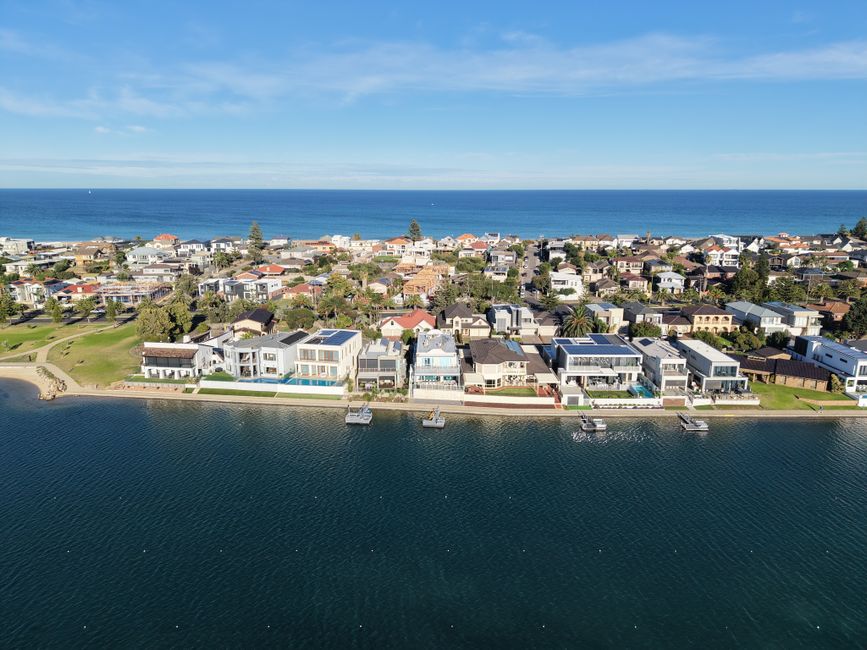
Consider the numbers. A two-bedroom apartment in inner Brisbane suburbs like West End or South Bank now commands $550–$650 per week. Move to the Bayside suburbs—say, Wynnum or Manly—and you're looking at $480–$550. But venture two hours south to the Gold Coast hinterland towns like Tallebudgera or Mudgeeraba, and identical properties rent for $380–$450. That's a 30 per cent saving for renters willing to shift location.
The calculation becomes even more compelling when comparing owner-occupier costs. Brisbane's median of $780,000 demands a deposit most first-home buyers cannot muster. In contrast, regional centres like Toowoomba, Mackay, or Sunshine Coast satellite towns see median values sitting 35–45 per cent lower, yet rental yields often match or exceed the capital city.
What drives this divergence? Infrastructure investment. Brisbane's Olympic preparations have buoyed inner-city property values, particularly around the South Bank precinct and along transport corridors like the Norther or towards Auchenflower. Renters in these zones pay for that proximity. Regional towns, meanwhile, lack the Olympic halo effect—or the landlord premiums that follow.
For young professionals and families, the trade-offs are real but negotiable. A renter in Noosa Heads or Buderim sacrifices a 45-minute commute for beachside living at a fraction of Brisbane's price. Similarly, Toowoomba renters tolerate cooler winters but gain access to affordable housing, a thriving university town (USQ), and lower cost-of-living across groceries and utilities.
The interstate migration surge—particularly from NSW and Victoria—has intensified Brisbane demand, pushing prices upward. Yet it has also accelerated regional discovery. Remote work has made geographic arbitrage viable; a software developer earning Sydney-level wages can now rent comfortably in the Sunshine Coast hinterland and bank the difference.
The lesson for renters is clear: Brisbane offers convenience and vibrancy, but at a price many cannot afford. Regional Queensland offers something equally valuable: financial breathing room. For those flexible on location, the maths no longer favour staying put in the capital. In 2026, the smartest renters are those asking not where they must live, but where their money goes furthest.
This article was compiled by AI from the sources linked above and screened before publishing. See our editorial standards.