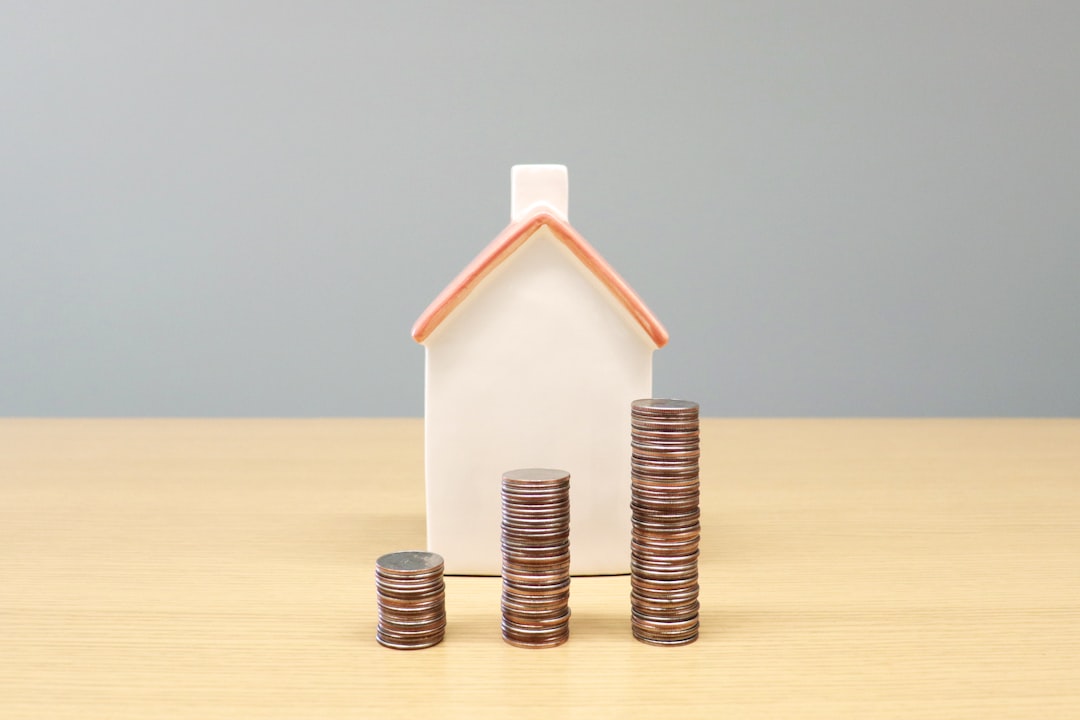
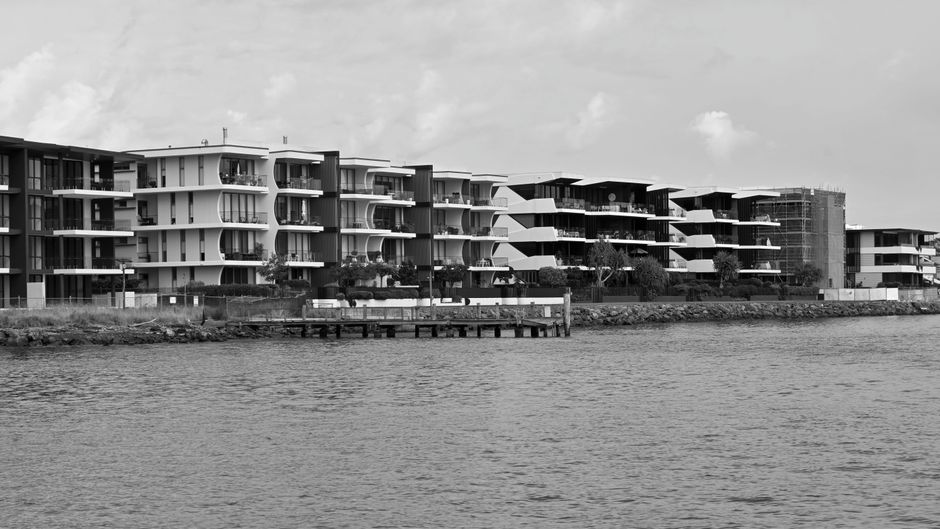
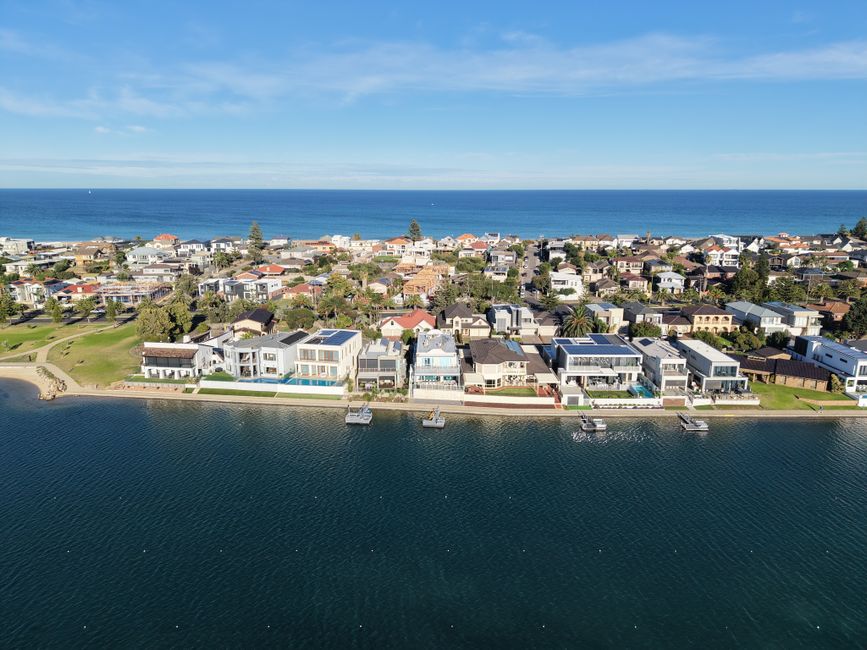
With Brisbane's median property price hovering around $780,000 and rental yields compressing across most suburbs, savvy investors are refocusing on the tax side of the equation. One tool gaining serious traction is the depreciation schedule—a detailed engineering assessment that quantifies wear and tear on a property's structure and fittings, translating that into annual tax deductions.
"The difference between a property owner who uses depreciation and one who doesn't can be $3,000 to $5,000 per year in tax savings," says tax specialist Marcus Hendry, who works with Brisbane property investors across the northside suburbs. "On a $650,000 investment property in Newmarket or Clayfield, that's material money."
A depreciation schedule works by identifying two deduction streams: building depreciation (the structure itself, claiming roughly 2.5 per cent annually) and plant and equipment depreciation (kitchens, bathrooms, carpets, appliances, claiming 10 to 40 per cent depending on the asset). A professional engineer's assessment—costing $400 to $800—typically identifies $30,000 to $50,000 in depreciable assets across a mid-range Brisbane investment property.
The maths is compelling. A Southside property near the Gabba or West End—where investor activity remains high despite median prices touching $900,000—can generate $4,000 to $6,000 annually in depreciation deductions. Over a 10-year hold, that's $40,000 to $60,000 in cumulative tax relief.
However, the Australian Taxation Office has tightened rules. Post-2017, investors can no longer claim building depreciation on properties acquired after 9 May 2017, though plant and equipment deductions remain available. For older stock in Fortitude Valley, Paddington or New Farm—where renovation-ready period homes remain popular—building depreciation still applies, making these areas particularly attractive from a tax perspective.
The Olympics 2032 infrastructure boom is also reshaping investor calculus. Properties near planned transport corridors in Bowen Hills or along the Cross River Rail route are attracting investor interest; a proper depreciation schedule here becomes even more valuable as capital growth expectations rise.
"Depreciation schedules aren't flashy, but they're foundational tax planning," Hendry adds. "Especially now, when yield-chasing alone won't cut it."
Investors should engage a quantity surveyor or depreciation specialist before purchase—getting the assessment done within 12 months of settlement ensures maximum benefit. For interstate migrants arriving from Melbourne or Sydney, where yields are tighter, Brisbane's combination of capital growth and tax efficiency via depreciation is increasingly compelling.
This article was compiled by AI from the sources linked above and screened before publishing. See our editorial standards.