Brisbane's short-term rental regulations and Airbnb rules 2025: What investors need to know
Tightened council rules and state legislation are reshaping how property owners can monetise their Brisbane homes through platforms like Airbnb.
Tightened council rules and state legislation are reshaping how property owners can monetise their Brisbane homes through platforms like Airbnb.

Brisbane property investors banking on short-term rental income face a harder landscape in 2025, with stricter regulations now firmly embedded across council jurisdictions and state-level frameworks.
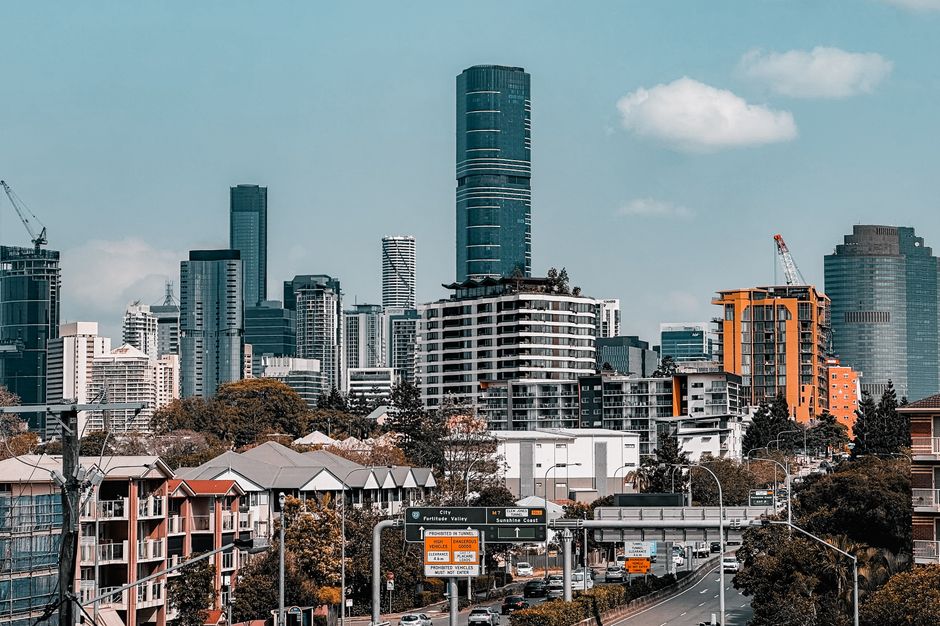
The shift reflects growing tension between maximising property returns and protecting residential amenity. From South Brisbane to Clayfield, and across trending postcodes like Fortitude Valley and New Farm, councils have introduced mandatory registration schemes, occupancy caps, and noise compliance measures that directly impact yield forecasts.
Under the revised framework, Brisbane City Council now requires short-term rental operators to register properties and comply with planning rules. Most residential zones permit short-term rental use, but with conditions: typically a maximum of 180 days per year in low-density areas, and stricter monitoring in apartment buildings where resident complaints have escalated. The median Brisbane property currently sits around $780,000, meaning even moderate rental income assumptions require careful due diligence.
"Investors who treated short-term rentals as a passive income stream are finding their assumptions outdated," says local property analyst feedback. Registration costs, council fees, and mandatory public liability insurance now factor into net returns across suburbs like Paddington, West End, and Sunnybank—all popular with interstate migrants seeking rental yield.
State-level changes have also tightened tenant protections and dispute resolution pathways. The Queensland Residential Tenancies and Rooming Accommodation Act amendments now extend certain protections to short-term guests, creating grey areas around owner liability and guest conduct. Body corporates in multi-unit schemes—common across South Bank and Kangaroo Point—retain broad power to restrict or ban short-term rental activity entirely.
For investors eyeing the Olympics 2032 infrastructure boom, particularly around precincts like Southbank and emerging Northside hotspots, the regulatory tightening is a reality check. Properties marketed as dual-income vehicles—owner-occupier plus short-term rental—now require explicit council approval before purchase.
The practical impact: due diligence now demands investors obtain written council confirmation of short-term rental eligibility, review body corporate by-laws, and engage accountants to model returns under stricter occupancy assumptions. A $800,000 apartment in Fortitude Valley can no longer assume unlimited rental days.
Brisbane Council's online planning portal now flags short-term rental status for each property address, making compliance transparent but also limiting surprise opportunities. Investors migrating from NSW and Victoria—a significant cohort—often underestimate these frictions.
For 2025 onwards, the era of unregulated short-term rental investing in Brisbane has ended. Success now depends on understanding local rules, engaging early with councils, and stress-testing financial models against realistic compliance scenarios.
This article was compiled by AI from the sources linked above and screened before publishing. See our editorial standards.
Daily Network
About this article
Published by The Daily Brisbane
Daily brief
Free, in your inbox before 7am. Weekdays.
More from The Daily Brisbane